How to Choose Wood Look Garage Doors in 2026?

Choosing wood look garage doors in 2026 requires more than matching a warm color to your home. You must examine texture, construction, insulation, hardware, and long-term maintenance. Modern wood look garage doors can imitate cedar, oak, or walnut with surprising detail. Some finishes even show knots, grain variation, and subtle saw marks. They may use steel, fiberglass, or composite materials beneath the surface.

The appearance matters.

During showroom visits, request full-size samples instead of trusting small online images. Evening light can make a gray-brown finish appear much warmer. Check how the door looks beside your siding, roof, stonework, and exterior lighting. A reliable dealer should explain panel thickness, insulation ratings, weather seals, wind resistance, and available warranties. Ask who repairs the operating system after installation. That answer can reveal more than a polished brochure.

Climate should guide the decision. Moisture, strong sunlight, coastal air, and winter temperature changes affect finishes differently. Steel may offer practical strength, while fiberglass or composite doors can provide convincing grain with less routine upkeep. Still, “maintenance-free” is often an optimistic phrase. Every door benefits from cleaning, seal inspection, and careful hardware checks.

This guide compares key choices for 2026, including materials, colors, security features, smart openers, energy performance, and installation quality. It also considers common buying mistakes, because attractive photography cannot show poor sealing or noisy operation. A thoughtful choice should look authentic from the street and perform reliably for years.
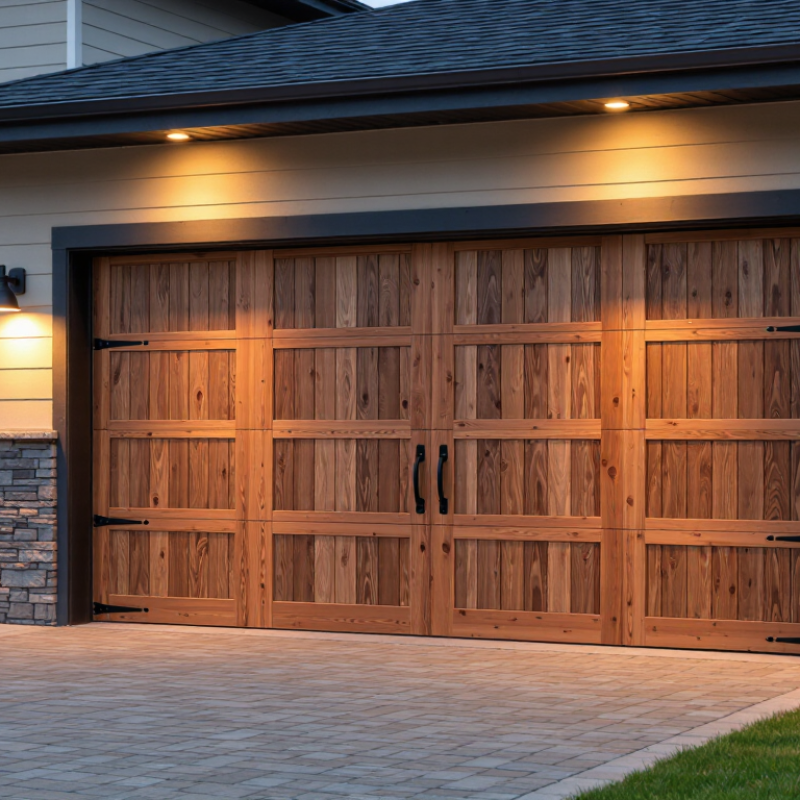
How to Choose Wood Look Garage Doors in 2026?

What Are Wood Look Garage Doors and Why Choose Them in 2026?

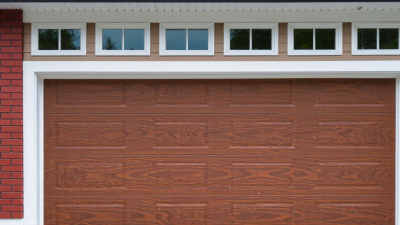
Wood look garage doors are modern doors designed to resemble natural timber. They commonly use steel, fiberglass, or composite panels with embossed grain and layered color finishes. The result is warm and detailed, without the weight and regular sealing required by solid wood.

In 2026, homeowners are choosing these doors for appearance, durability, and improved energy performance. A properly insulated panel can help stabilize temperatures inside an attached garage. This may reduce heat transfer near bedrooms or living areas. Steel and composite materials also resist warping, insects, and moisture better than untreated timber. However, the wood effect is not perfect. Some finishes look highly realistic from the driveway but less convincing up close. That detail deserves honest attention.

Tips: Compare samples outdoors, not only under showroom lighting. Check the insulation rating, panel thickness, weather seals, and hardware quality. Consider your local climate before selecting a dark finish, because strong sunlight can make surface fading more visible. Ask for maintenance instructions in writing. A good door should operate quietly, close evenly, and remain stable through seasonal changes. Also inspect the grain direction and color variation. Too much repetition can make the surface look artificial. A small imperfection in texture may actually feel more natural.

How to Choose Wood Look Garage Doors in 2026?

Wood look garage doors combine the appearance of natural wood with materials such as insulated steel, composite overlays, or engineered panels. Insulation, represented by R-value, is a practical 2026 selection factor because a higher R-value generally provides better resistance to heat flow.

Representative nominal R-values: single-layer steel is typically uninsulated, insulated steel with expanded polystyrene commonly falls around R-7.6, insulated steel with polyurethane is often around R-12.5, and solid wood is commonly around R-3.7. Actual performance varies by door thickness, joints, windows, and installation quality.

Which Materials and Finishes Best Recreate a Natural Wood Appearance?

Choosing a wood-look garage door begins with the surface, not the color. Steel offers strong dimensional stability, while fiberglass resists moisture and minor dents. Composite skins can provide deeper grain patterns, but quality varies between manufacturers. Real wood remains the most convincing option, although it demands regular sealing and careful moisture control.

Look closely at the grain embossing. Natural-looking doors avoid repeated patterns across every panel. Matte or low-sheen finishes usually appear more authentic than glossy coatings. Walnut, cedar, and weathered oak tones work well when the color includes subtle variation. A uniform brown can look artificial. It happens easily.

The 2024 Cost vs. Value Report recorded a 194.5% cost recoupment for upscale garage door replacement, showing strong buyer attention to this exterior upgrade. That figure does not guarantee the same return for every wood-look material. The U.S. Department of Energy also notes that insulated garage doors can improve thermal performance, especially beside conditioned rooms. Choose a door with a published R-value, not vague insulation language. Field installers often recommend sealed edges, corrosion-resistant hardware, and UV-stable coatings for exposed elevations. Still, even a good finish will fade slightly over time. That is not always a defect. Small tonal changes can make a simulated grain feel less manufactured. Consider viewing samples outdoors before deciding. Interior showroom lighting can mislead.

How to Match Garage Door Styles with Your Home’s Architecture

Choosing a wood look garage door starts with your home’s architecture, not the catalog photo. I have seen attractive doors look strangely oversized because their panels ignored the house’s proportions. Measure the garage opening, roof pitch, window spacing, and nearby siding before selecting a design.

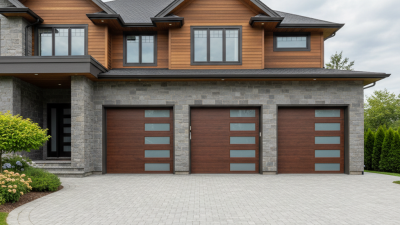
Craftsman homes usually suit simple horizontal panels, warm stains, and modest window rows.

Farmhouse exteriors can handle wider boards, crossbuck details, and softer brown tones.

Colonial homes often look better with balanced panels, symmetrical windows, and deeper colors.

Tudor houses need restraint; dark finishes and vertical accents may support their strong rooflines.

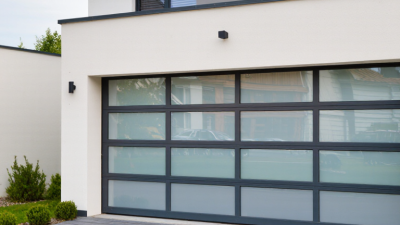
Modern homes usually pair well with smooth surfaces, narrow glazing, and minimal hardware.

Mediterranean architecture can benefit from arched window shapes and warmer wood tones, but too much decoration may feel forced.

Think about proportion.

Wood look does not always mean natural wood. Steel or composite doors can offer more stable performance in wet climates, while textured finishes create convincing grain from the street. Ask for a physical sample beside your siding and trim. View it in morning and afternoon light.

I once approved a sample indoors, only to find its orange undertone overwhelming outdoors. That mistake changed my process. Now, I compare the door with roof materials, stone, and exterior lighting before installation. Local weather, maintenance needs, and neighborhood design rules also deserve attention. A beautiful match can still disappoint when the finish fades quickly or the windows weaken privacy.

What Energy, Security, Durability, and Maintenance Features Matter?

Choosing a wood-look garage door in 2026 requires more than matching the front door. Energy performance, security, durability, and maintenance should guide the decision. A well-insulated door can reduce heat transfer between the garage and nearby rooms. Look for a tested R-value, tight perimeter seals, and insulated window frames. R-value comparisons are useful, but installation quality matters just as much.

Security begins with strong panels, reinforced tracks, and a reliable locking system. Ask whether the door resists forced lifting when closed. Smart controls can add alerts, but they should use secure passwords and automatic software updates. During a winter inspection, I noticed a small gap beneath one door. Cold air entered quickly, despite its good insulation rating. Details matter.

For durability, consider steel or composite construction with a realistic wood-grain finish. These materials usually resist moisture, insects, and splitting better than untreated natural wood. A wind-rated design may be important in exposed regions. Check the local building requirements before ordering. Maintenance should remain simple: wash the surface, inspect the seals, and lubricate moving parts as directed. Scratches can still happen. Keep matching touch-up material available, and inspect the lower edge after heavy rain. A beautiful finish is not a substitute for sound hinges, balanced springs, and professional installation.

How to Choose Wood Look Garage Doors in 2026? — What Energy, Security, Durability, and Maintenance Features Matter?

Decision Area Feature or Data Point to Compare Practical Target for 2026 Why It Matters and What to Verify
Energy Efficiency Insulation performance Choose an insulated door with a published R-value appropriate for the climate; many insulated residential doors fall broadly within approximately R-6 to R-18. Higher R-values generally reduce heat transfer, but quoted values may describe the panel only rather than the complete installed door. Compare test methods and ask for the door assembly's thermal data.
Energy Efficiency Air leakage and perimeter seals Look for a continuous bottom seal, weather-resistant side and top seals, and tight joints between sections. Gaps around the perimeter can undermine insulation performance. Inspect the seal material, replaceable bottom astragal, and compression at the closed position.
Energy Efficiency Thermal bridging Prefer thermally broken construction or insulated section frames when the garage shares a wall with conditioned living space. Metal components can conduct heat around insulated panels. Thermal breaks and low-conductivity framing help reduce this effect.
Energy Efficiency Glazing Use double-pane insulated glass where daylight is needed; select low-emissivity glass when solar gain or winter heat loss is a concern. Glazing can be a weaker thermal point than an insulated panel. Confirm the glass U-factor, visible transmittance, and safety-glazing requirements for the location.
Security Automatic opener safety Use an opener with monitored photoelectric sensors, automatic reverse protection, and manual emergency release. Photoelectric sensors should stop or reverse the door when the beam is interrupted. Test the reversal function regularly and keep the emergency release accessible.
Security Forced-entry resistance Select reinforced panels, protected hinges and rollers, a robust locking or opener system, and an opener with rolling-code or equivalent access control. Security depends on the entire door-and-opener system. Ask whether the door has anti-pry features, reinforced end stiles, and a way to disable remote access if a controller is compromised.
Security Wind-load rating Choose a door engineered for the site's local wind requirements, especially in coastal, hurricane, or high-wind regions. Wind resistance is not determined by appearance or material alone. Verify the required design pressure, approved hardware, track configuration, and installation conditions under local code.
Durability Wood-look surface system For lower routine maintenance, consider factory-applied coatings on steel, fiberglass, or composite surfaces; use real wood only with a clear refinishing plan. Wood-look finishes vary from printed film to molded texture and hand-applied coating. Request fade, adhesion, corrosion, and finish-care information for the exact surface.
Durability Material behavior Steel offers strong structural performance; fiberglass and composite resist many moisture-related issues; real wood provides authentic grain but requires more climate-sensitive care. Steel can dent or corrode if the coating is damaged. Fiberglass and composite can still fade or crack under severe exposure. Wood can swell, shrink, split, or decay when moisture protection is neglected.
Durability Hardware and cycle rating Choose corrosion-resistant hardware and verify the spring system's rated cycles; common residential spring ratings include approximately 10,000 to 25,000 cycles. One cycle means one complete opening and closing. Actual service life depends on door weight, balance, climate, use frequency, and maintenance. Springs are under high tension and should be replaced by qualified personnel.
Durability Water management Use a sloped threshold or suitable bottom seal where needed, maintain drainage, and keep wood or wood-look surfaces clear of standing water. Repeated water exposure accelerates corrosion, swelling, coating failure, and deterioration at the bottom section. The garage floor and driveway slope should direct water away from the door.
Maintenance Routine cleaning Wash exposed surfaces periodically with mild soap and water; rinse thoroughly and avoid abrasive cleaners unless the finish instructions allow them. Regular removal of dirt, salt, and pollutants helps protect coatings. Coastal environments generally require more frequent rinsing because airborne salt promotes corrosion.
Maintenance Inspection frequency Visually inspect seals, tracks, rollers, cables, hinges, fasteners, and the balance of the door at least twice a year. Stop using the door if cables are frayed, hardware is loose, panels are severely damaged, or the door is unbalanced. Do not adjust torsion springs without the proper training and tools.
Maintenance Lubrication Lubricate hinges, rollers, and other manufacturer-approved moving points according to the care instructions; keep tracks clean rather than heavily lubricated. Excess lubricant on tracks can attract dirt and interfere with roller movement. Use only products compatible with the hardware and avoid lubricating components that the manufacturer identifies as sealed.
Maintenance Finish repairability Prioritize replaceable panels or documented touch-up procedures, and confirm that matching finish materials can be obtained later. Repairs are easier when the manufacturer provides color-matching guidance and replacement sections. Real wood can often be refinished, while printed or molded finishes may require panel replacement for a close match.
Selection Summary Best fit by priority Low maintenance: coated steel, fiberglass, or composite. Authentic appearance: real wood. Maximum energy focus: insulated sections, effective seals, and suitable glazing. No single material is best for every property. Final selection should consider climate, garage exposure, local wind requirements, door size, daily cycles, available maintenance time, and the quality of installation.

Important: R-values, wind ratings, cycle ratings, U-factors, and warranty terms vary by construction and installation. Always compare the technical documentation for the exact door assembly and confirm local building-code requirements before purchasing.

How to Compare Costs, Installation Options, and Long-Term Value?

Wood-look garage doors combine warm visual appeal with practical materials. Compare steel, fiberglass, and composite construction before judging appearance alone. Steel often costs less, while composite panels can resist moisture and splitting. Real wood may offer richer texture, but it usually demands more maintenance.

Ask each installer for an itemized estimate. It should include the door, tracks, springs, opener compatibility, delivery, removal, and labor. Installation difficulty can change the final price. A standard opening may take less time than an opening needing framing repairs. Confirm insulation values, wind requirements, safety testing, and the written warranty. A reliable installer should inspect the opening before quoting.

Tips: Get at least three written estimates. Request photos of similar installations. Check how rainwater drains near the garage. Ask who handles future adjustments. Measure twice.

Long-term value depends on more than the purchase price. Good weather seals can reduce drafts and protect stored tools. Durable finishes may reduce repainting, though no coating stays perfect forever. Clean the door gently and inspect hardware twice yearly. A low-cost door can become expensive after repeated repairs. However, the most expensive option is not automatically the best. I would compare expected maintenance over ten years, not just today’s invoice. Consider how the door fits your home’s structure, climate, and daily use.

Go to Top