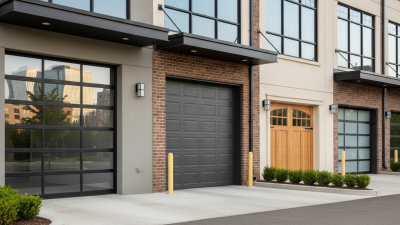
What is a Garage Door and How to Choose the Right One?
A garage door is more than just an entrance to your garage. It serves as a barrier that protects your vehicle and belongings. Choosing the right garage door requires careful consideration. Various materials, styles, and features are available. Each option offers unique benefits and challenges.
Understanding the types of garage doors is essential. Steel doors are durable and secure, while wooden doors provide a classic look. Composite options blend aesthetics and strength. However, each choice comes with its limitations. You must weigh these factors against your needs.
Installation and maintenance are also crucial. A properly installed garage door enhances security and function. Regular check-ups can prevent costly repairs. Reflect on your lifestyle and usage. What works for one person might not fit another’s needs. Make an informed choice to ensure your garage door meets all your expectations.
What is a Garage Door: Definition and Functionality
A garage door is more than just a functional entryway. It provides security and adds to the curb appeal of your home. Understanding its definition is crucial for homeowners. Typically, garage doors are large, movable barriers that close off the garage. They can be manual or automatic, offering convenience for daily use.
In terms of functionality, garage doors are designed to protect your vehicle and other belongings from theft and weather. They are built to withstand various external elements. A well-functioning door also enhances energy efficiency by maintaining garage temperatures. However, not all garage doors are suitable for every home. Factors like space, style, and material play a vital role in your selection.
Choosing the right garage door requires careful consideration. You may want to reflect on the door’s insulation properties. Efficiency is key, especially if your garage is integrated into your living space. Also, think about maintenance requirements. Some materials, like wood, require more upkeep than steel or fiberglass. It’s essential to balance aesthetics with practicality. This decision reflects not just your taste, but also your home’s overall functionality.
Types of Garage Doors: Materials and Mechanisms Explained
When choosing a garage door, it's essential to understand the types available based on materials and mechanisms. Common materials include steel, wood, aluminum, and fiberglass. Steel doors offer durability and low maintenance. They resist dents and rust. Wood doors provide natural beauty but require regular upkeep. The choice of material affects both aesthetics and functionality.
Mechanisms matter too. The most popular options are sectional, roller, and tilt-up doors. Sectional doors consist of panels that slide open vertically. They save space and are easy to operate. Roller doors roll up into a coil, ideal for tight spaces. Tilt-up doors swing out before lifting, which can be inconvenient for small driveways. Each mechanism presents unique installation and maintenance challenges.
Don't overlook insulation. A well-insulated garage door impacts energy efficiency. Poor insulation can lead to higher energy bills. Consider your climate and how the door will perform. Remember, even the best choices can have drawbacks. Regular maintenance and occasional repairs will be part of ownership. Choose wisely, and keep these factors in mind for a functional garage door.
What is a Garage Door and How to Choose the Right One?
| Type |
Materials |
Mechanism |
Insulation |
Cost Estimate |
| Sectional Garage Door |
Steel, Aluminum, Wood |
Track-based |
Good |
$800 - $3,500 |
| Roll-Up Garage Door |
Steel, Aluminum |
Rolling mechanism |
Fair |
$1,000 - $2,200 |
| Tilt-Up Garage Door |
Wood, Fiberglass |
Tilt mechanism |
Low |
$500 - $1,500 |
| Side-Hinged Garage Door |
Wood, Steel |
Hinges |
Good |
$800 - $2,000 |
Factors to Consider When Choosing a Garage Door
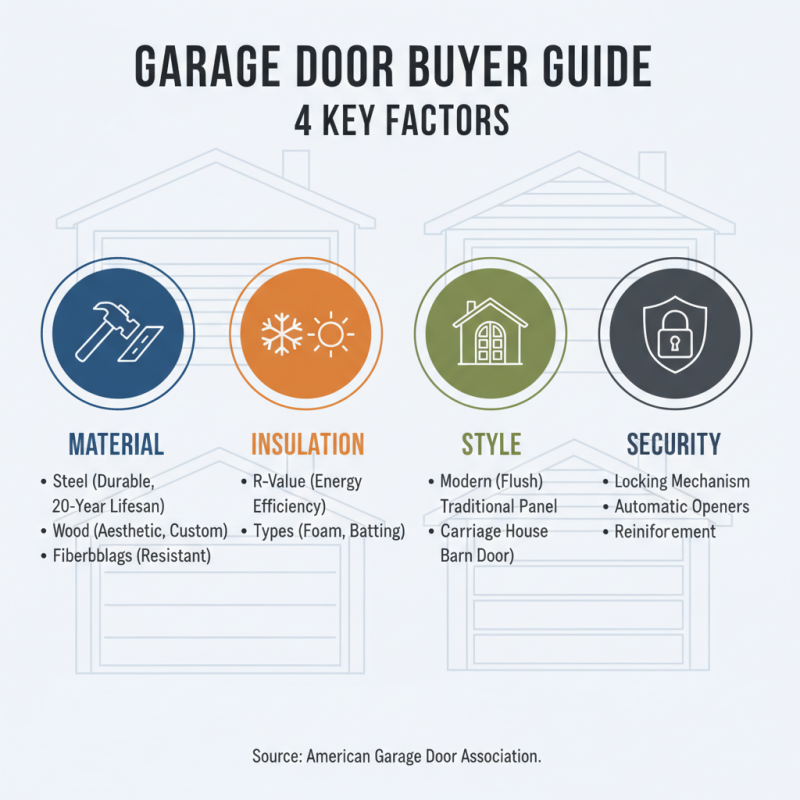
Choosing the right garage door involves understanding various essential factors. These factors include material, insulation, style, and security features. Each category impacts performance and aesthetics. For instance, steel doors provide superior durability. According to the American Garage Door Association, they last up to 20 years with proper maintenance.
Insulation is another critical aspect. Insulated doors benefit energy efficiency, especially in extreme climates. They can reduce energy costs by up to 30%, as highlighted in industry reports. Additionally, consider the door's style. A well-chosen style enhances curb appeal. Research shows homes with attractive garage doors can sell for 4% more than those without.
Security features should not be overlooked. Modern garage doors often include smart technology. This tech can alert homeowners to potential security breaches. Reports indicate that 1 in 4 break-ins occur through the garage. A reliable door can deter intruders. Reflecting on these details can lead to a more informed decision. Ultimately, careful consideration of these factors ensures that the garage door meets both practical and aesthetic needs.
How to Measure for Your New Garage Door
Measuring for a new garage door involves several precise steps to ensure a perfect fit. Begin by measuring the width of your garage opening. Use a tape measure and note the distance from one side to the other. A typical garage door width ranges from 8 to 18 feet, but custom sizes are often needed. According to a report from the Door and Access Systems Manufacturers Association, almost 75% of homeowners opt for wider doors for better access.
Next, measure the height of the opening. Standard heights are usually between 7 to 8 feet. Some homes may have taller doors, especially if they accommodate larger vehicles. It's also crucial to check the door's headroom. You need at least 12 inches of vertical space above the door for the door system and opener. Insufficient headroom can lead to installation issues.
Consider the type and style of door as well. Sectional garage doors are popular for their insulation properties and space-saving design. A report by HomeAdvisor indicates that insulated doors can reduce energy costs, making them a wise investment. Always account for your local climate and security needs. Choosing the right garage door is not just about aesthetics; it's about function and durability as well.
Garage Door Types and Their Popularity
Maintenance Tips for Garage Doors and Their Longevity
Maintaining a garage door is crucial for its longevity and functionality. Routine inspections can significantly reduce the risk of unexpected failures. Around 30% of garage door issues stem from simple maintenance neglect. Regular checks ensure that components like springs, rollers, and hinges are in optimal condition.
Lubrication of moving parts every six months enhances performance and reduces wear.
Weather stripping should not be overlooked. It keeps out moisture and dirt, extending the life of the garage door. A study found that proper weather sealing can increase energy efficiency by up to 15%. Many homeowners forget this crucial step, which can lead to costly repairs.
Listen for unusual sounds during operation. Grinding or squeaking noises may indicate underlying issues. Addressing these promptly can prevent more significant damage later. Some people may think they can ignore minor issues, but that mindset often leads to more extensive repairs down the line. Observing and reacting to these signs can save time and money in the long run. Taking proactive steps ensures your garage door remains functional and secure.