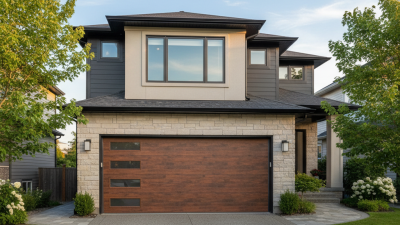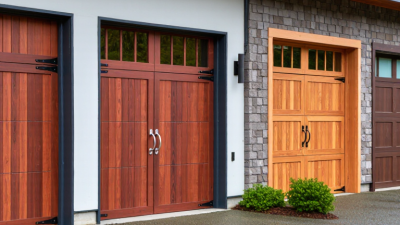
Wooden garage doors bring natural grain, warmth, and a sense of craftsmanship to a home’s exterior. Their appearance can range from familiar raised panels to carriage-house designs with decorative straps, or clean, flush boards suited to contemporary homes. Looks matter. Yet the style is only part of the decision.
This guide explores the main types of wooden garage doors and the details that distinguish them, including panel shape, board layout, and window placement. It also considers common wood choices, such as cedar and redwood, alongside practical differences in weight, upkeep, and price. A door’s construction matters, too: solid wood and wood-overlay designs can look similar from the street but perform differently. Trade-offs remain. Wood can swell, fade, or need repainting as weather and exposure take their toll, so maintenance should be part of the plan—not an afterthought. The best fit depends on the home’s architecture, local conditions, budget, and willingness to care for the finish. No single style works for every property. Understanding the options can help homeowners compare appearance with everyday demands and choose a door that feels right for more than one season.
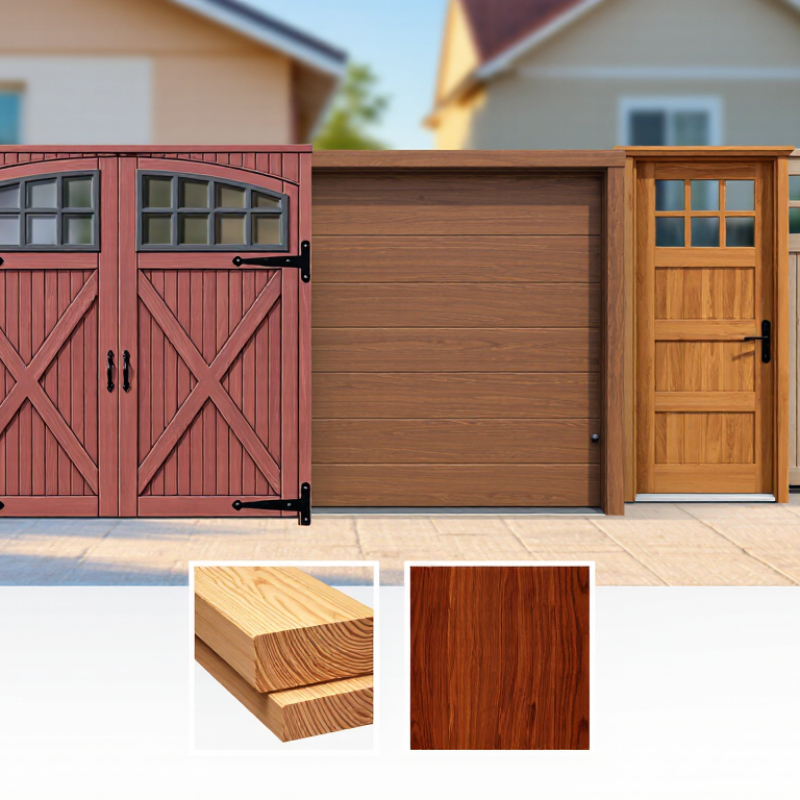
Wood garage doors are commonly built around 1⅜-inch or 1¾-inch thicknesses. These measurements describe the door section, but they do not tell the whole story. A thicker door may feel more substantial, yet its rails, stiles, panel design, and internal reinforcement also affect stiffness. Details matter.
A 1⅜-inch wood door is often a practical choice for lighter residential applications. A 1¾-inch construction can provide a more substantial feel and may suit doors designed for greater rigidity. Still, thickness alone does not guarantee strength or long service life. Ask whether the door uses solid boards, layered wood, or an engineered core, and check how its joints and braces are assembled. A poorly supported panel can move with seasonal changes, even when the door seems sturdy in a showroom.
Before choosing, confirm the actual slab thickness and total weight with the installer. Wood species, finish, and moisture exposure can all affect performance. Check that the tracks, hinges, springs, and opener are rated for the door’s weight and fit. That can be easy to overlook. Also compare the manufacturer’s care guidance with your local weather; exposed wood may need regular refinishing. A little measurement now can prevent an awkward fit later.
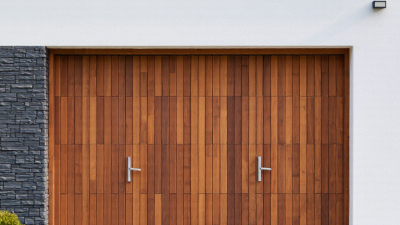
Solid-wood garage doors are often made from cedar, redwood, fir, or oak. Each species brings a different look and maintenance profile. Cedar and redwood show warm tones and distinct grain, while fir usually has a straighter, more even pattern. Oak’s pronounced grain can make a door feel visually bold. No two boards match exactly.
Wood is never static. As humidity rises, boards absorb moisture and can swell; in dry weather, they may shrink. A sunlit door may also dry unevenly, especially when its exterior and interior faces experience different conditions. These shifts can affect panel joints and clearances around the frame. They are normal, but they need room.
Door construction matters. Narrower boards and thoughtfully designed panel joints can accommodate movement better than one broad, uninterrupted surface. A durable finish on all sides, including less-visible edges, helps limit uneven moisture exchange, though it cannot stop wood from responding to its surroundings. Measurements should account for local conditions and the door’s installation. Small gaps matter. The awkward part is that movement is not perfectly predictable: species, board cut, grain direction, and exposure all play a role. A careful inspection after seasonal changes can reveal rubbing, loose joints, or finish wear before they worsen.
| Wood Species | Typical Grain and Appearance | Moisture-Related Movement | Practical Considerations for Garage Doors |
|---|---|---|---|
| Western red cedar | Usually straight-grained, with a relatively uniform texture; color ranges from pale amber to reddish brown. | Generally has relatively low shrinkage compared with many common hardwoods, but it still expands and contracts as its moisture content changes. | Lightweight and naturally resistant to decay. A protective finish and sound detailing help limit weathering and moisture uptake. |
| Douglas fir | Often straight-grained, with prominent growth-ring contrast and a warm, reddish-tan color. | Movement is moderate and varies with cut, grain orientation, and moisture conditions. | Its strength and availability make it a common construction wood. End grain and exposed surfaces need protection from repeated wetting. |
| White oak | Coarse, prominent grain; quarter-sawn boards may show distinctive ray flecking. | Like other oaks, it can move noticeably across the grain as humidity changes; flatsawn boards generally move more tangentially than radially. | Dense and durable, but relatively heavy. Door hardware and operating systems should be selected for the door's weight. |
| Red oak | Open, coarse grain with strong growth-ring patterns, usually in light-to-medium brown tones. | Can undergo substantial across-grain movement with moisture changes. Its open pores can also allow moisture penetration if finishes are poorly maintained. | Offers a pronounced traditional appearance. Careful sealing, especially at edges and joints, is important for exterior exposure. |
| Mahogany (species vary) | Often has a fine-to-medium texture and a warm brown color; grain may be straight, interlocked, or irregular depending on the species. | Movement and stability differ among species and board cuts; no single movement rating applies to all woods sold as mahogany. | Can provide a refined appearance. Confirm the specific species, sourcing, and exterior suitability before specifying it for a door. |
| Redwood | Typically straight-grained, with color ranging from pale pinkish brown to deep red-brown. | Often relatively stable compared with many woods, though seasonal expansion and contraction still occur. | Lightweight and naturally durable in appropriate grades. Protecting the finish helps preserve color and reduce weathering. |
| Design note: Solid-wood boards change dimension mainly across the grain as their moisture content changes. Frame-and-panel construction, suitable clearances, balanced finishes, and regular maintenance help accommodate this seasonal movement; they do not eliminate it. | |||
Engineered-wood garage doors use manufactured panels or cores to balance appearance, stability, and cost. Plywood is built from thin wood layers bonded with alternating grain directions. This layered structure can resist warping better than a single wide board, though quality and exterior sealing still matter. Look closely at panel edges and joints; water can enter where coatings are damaged.
MDF has a smooth, uniform surface that accepts paint well and suits clean, flat designs. It can be heavy, and ordinary MDF is vulnerable to swelling if moisture reaches unsealed edges. Composite-core doors vary: some combine wood fibers with moisture-resistant binders or insulating materials. Ask what the core contains and how the door should be maintained. “Composite” alone does not explain performance. That matters.
Tips: Check that the door’s weight matches its springs and opener requirements. Keep paint or protective finishes intact, especially along lower edges exposed to rain splash. Ask about insulation, repairs, and the expected finish schedule before buying. A small coating chip may seem harmless, but it can become a maintenance issue. Not always. Door details differ, so verify care instructions for the specific construction.
Raised-panel wooden garage doors use recessed sections framed by raised borders. Their shadows add depth, especially on broad door surfaces. The panels can suit traditional homes, but their joints and edges need regular inspection. Water that lingers in grooves may damage paint or finish. Small details matter.
Carriage-house styles borrow the look of old swing-out doors, though modern versions usually lift overhead. They often feature vertical boards, decorative crosspieces, and dark hardware. This style can make a garage feel more distinctive, but heavy-looking hardware does not improve the door’s strength by itself. Check the door’s weight, track system, and opener requirements with a qualified installer. A charming look still needs sound mechanics.
Flush-panel doors have flat faces and clean lines. They work well with contemporary exteriors and can show off natural wood grain without busy trim. Their simplicity is not maintenance-free: sunlight, rain, and temperature shifts can fade finishes or cause movement. Choose wood and protective coatings suited to the local climate, and ask how often refinishing may be needed. No style is perfect. A sample can look different outdoors, so view it near the home’s siding before deciding.
Wooden garage doors are available as solid-wood swing or carriage-style doors, sectional doors, and wood-faced designs built over engineered cores. Their appearance may be similar, but insulation and structural performance can differ sharply. Ask for test data on the complete door assembly, not just a wood panel or insulation sample.
Compare U-factors using the same test method and units. A lower U-factor generally indicates less heat transfer through the tested assembly. Check whether the rating includes glazing, joints, and the stated door configuration. Small windows or changes in panel construction can affect results. Read the report carefully.
Wind-load performance needs a separate check. ASTM E330 evaluates structural response under uniform static air pressure; it does not, by itself, promise performance in every storm or installation. Look for tested positive and negative pressures, door size, mounting details, and measured deflection. Match these conditions to your opening and local design requirements. Details matter. A rating for one width may not cover a wider door, and field framing can differ from the test setup. I would compare reports side by side, though their formats are not always easy to interpret.