Top Wooden Garage Doors for Global Buyers?
For global buyers, wooden garage doors sit where architectural character meets demanding daily performance. Grand View Research estimates that the global garage door market reached approximately USD 3.2 billion in 2023, with continued growth expected through 2030. Fortune Business Insights also forecasts steady expansion, although its figures differ because research firms define products and regions differently. Neither report isolates wooden garage doors precisely. That limitation matters.
Tom Wadsworth, a longtime garage-door industry educator, describes the garage door as “the largest moving object in the home.” His observation explains why material choice cannot depend on appearance alone. A timber door may bring warm grain, deep panels, and a solid street-facing presence. It also requires careful sealing, correct drainage, and periodic inspection. Rain can darken an unprotected lower rail. Sunlight can fade a stained surface. Poor installation can create uneven movement within months.
The Door and Access Systems Manufacturers Association reports that professionally installed doors should be selected with safety, durability, and operating conditions in mind. Buyers should compare wood species, panel construction, insulation, hardware quality, and local climate exposure. Coastal projects need stronger moisture protection. Cold regions may require insulated sections and reliable weather seals. Global purchasing is not simple. Shipping, maintenance skills, replacement parts, and regional standards can change the real cost.
Wooden garage doors remain compelling, but they are not maintenance-free. That uncomfortable detail deserves attention. The best choice balances visual warmth, engineering evidence, installer experience, and long-term care. Data can guide the decision, yet the final answer depends on the building, climate, and daily use.
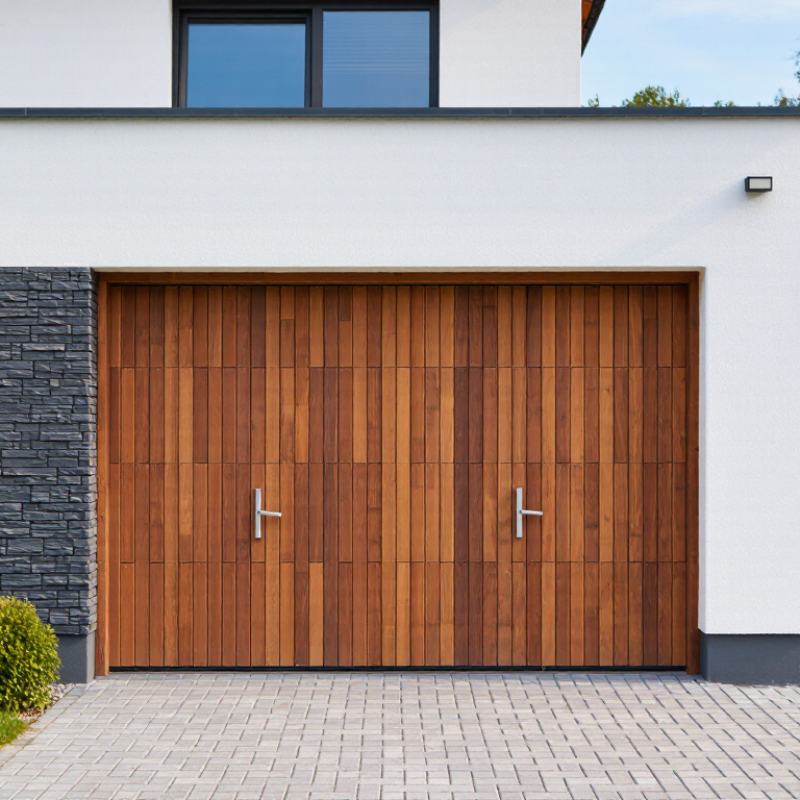
Wooden Garage Door Types and Their Defining Features
Top Wooden Garage Doors for Global Buyers?
Wooden Garage Door Types and Their Defining Features
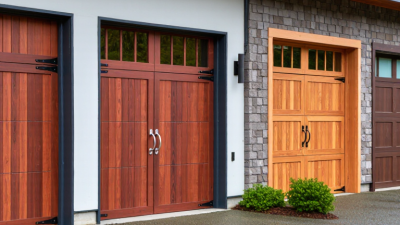
Solid timber garage doors offer natural grain, substantial weight, and a warm architectural presence. They suit traditional homes, especially when owners value visible joinery and custom dimensions. However, timber expands in humidity and contracts during dry seasons. Proper sealing on every edge matters, not only the front surface. These doors usually need regular inspection around hinges, joints, and lower rails.
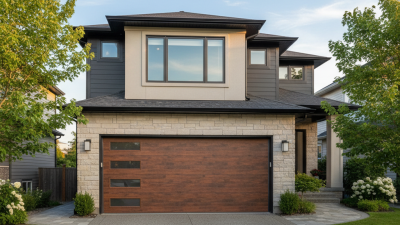
Engineered wood doors provide greater dimensional stability than many solid-wood designs. Their layered construction can reduce warping, while exterior timber veneers preserve an authentic appearance. Flush-panel styles create clean lines and simpler maintenance. Carriage-house doors imitate historic swing doors but often use modern sectional mechanisms, saving driveway space. Side-hinged doors open outward and require clear ground space. Choose carefully.
Climate changes the decision. In coastal regions, moisture-resistant coatings and corrosion-resistant hardware deserve close attention. In colder areas, insulated cores can improve indoor comfort and reduce heat loss. A local installer should verify wall structure, opening measurements, drainage, and wind exposure before ordering. Small measurement errors become expensive quickly.
I once preferred a heavy solid-timber design for its impressive feel. Later, I learned that weight can increase hardware wear and installation demands. Beauty is not the whole specification. Check repair access, coating schedules, replacement parts, and available technical support before purchase. A door that looks perfect may still perform poorly in an unsuitable climate.
How to Compare Wood Species, Construction, and Durability
Top Wooden Garage Doors for Global Buyers?
How to Compare Wood Species, Construction, and Durability
Choosing a wooden garage door begins with the local climate, not appearance alone. In humid coastal areas, stable species such as cedar or engineered wood can reduce swelling. Dense hardwoods may resist dents, but they can add considerable weight. That weight affects hinges, springs, and the opening system. Check the complete door assembly, not only the timber sample.
Construction details reveal long-term quality. Look for properly sealed end grains, reinforced joints, and weather-resistant fasteners. Layered or engineered panels often move less than wide solid boards. However, they are not maintenance-free. Wood still moves. Small gaps may appear after seasonal changes, especially where winter heating dries indoor air. I have seen beautiful doors fail early because water collected along the lower edge.
Durability also depends on finishing and installation. Every face, edge, and cutout should receive suitable protection before exposure. A sheltered overhang helps, but it cannot replace drainage and careful fitting. Ask for moisture-control guidance, coating requirements, repair procedures, and documented performance testing. These details show whether a supplier understands real installations. Buyers should also confirm panel weight, replacement access, and service support in their region. I would not trust a door judged only by photographs. Timber color changes with sunlight, and surface checks can develop sooner than expected. That possibility deserves honest discussion before purchase.
Essential Performance Factors: Security, Insulation, and Weather Resistance
Top Wooden Garage Doors for Global Buyers
Essential Performance Factors: Security, Insulation, and Weather Resistance
A strong wooden garage door should resist forced entry without feeling industrial. Look for solid joinery, reinforced hinge points, and a dependable multi-point locking system. Thick panels can reduce flexing when pressure is applied. However, security also depends on the frame, tracks, and installation. A heavy door with weak anchors offers false confidence. I have seen this mistake in otherwise well-built garages. It is easy to overlook.
Insulation matters in both cold and hot regions. A layered timber panel with a continuous core helps limit heat transfer. Sealed edges reduce drafts, dust, and roadside noise. Ask for tested thermal performance rather than relying on panel thickness alone. Check the seals around the floor and side jambs, where small gaps become obvious on windy days. Short-term comfort improves. Energy savings may vary with local climate, ventilation, and garage use.
Weather resistance requires careful material selection and regular inspection. Moisture-resistant timber, durable coatings, sloped thresholds, and covered hardware can reduce swelling and corrosion. Coastal air deserves extra attention. So does intense sunlight. Wood still moves with humidity, even after professional finishing. That is normal, not necessarily a defect. Yet neglected finishes can crack, allowing water into joints. Annual checks are sensible, though some owners delay them too long. Independent test reports, clear maintenance guidance, and an experienced installer provide more dependable evidence than attractive photography.
Top Wooden Garage Doors for Global Buyers
Essential performance factors: security, insulation, and weather resistance
The benchmark index converts recognized reference points into a comparable 0–100 scale:
EN 1627 RC2 for basic burglary resistance, a U-value target of 1.4 W/m²K or lower for an
insulated door, and EN 12424 wind-resistance Class 3, rated at 700 Pa. Actual performance
depends on construction, installation, local climate, and applicable building codes.
Installation, Maintenance, and International Buying Considerations
Top Wooden Garage Doors for Global Buyers?
Installation, Maintenance, and International Buying Considerations
A wooden garage door can add warmth, texture, and strong street appeal. Installation begins with accurate opening measurements, including headroom, side clearance, and floor level. Experienced installers check the frame for moisture damage before fitting hinges and tracks. A door that looks square may still bind during humid weather. This detail is often underestimated.
Climate should guide the wood choice and protective finish. Coastal areas need careful sealing against salt air, while cold regions require flexible coatings that resist cracking. Inspect the lower panels after heavy rain. Recoat exposed surfaces when the finish becomes dull or uneven. Lubricate moving hardware twice yearly, but keep oil away from painted timber. Small neglect becomes expensive.
Tips: Request moisture content, timber specifications, finish details, hardware dimensions, and installation drawings before ordering. Confirm door weight and packaging protection with the supplier. Ask whether replacement panels and compatible hardware remain available. International buyers should verify local building requirements, electrical standards, import documents, and delivery access. Measure the doorway again before production; an earlier measurement can be wrong. Also, allow time for acclimatization after delivery. Wood may shift slightly, and that is not always a manufacturing fault. Yet excessive warping deserves photographs, records, and a prompt technical review.