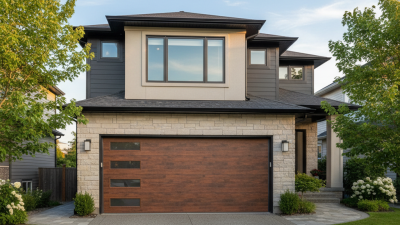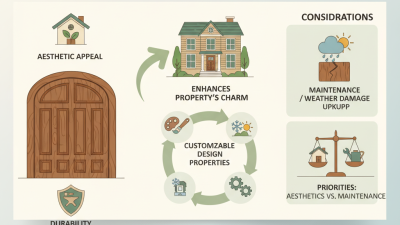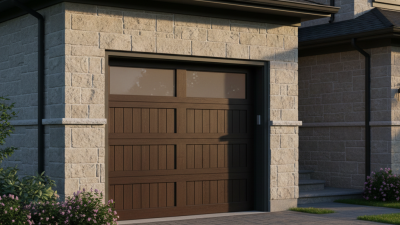
What Are the 2026 Best Wooden Garage Doors?

Choosing the best wooden garage doors in 2026 requires more than admiring beautiful grain. A reliable choice must balance appearance, strength, insulation, security, and long-term maintenance. This guide examines those factors through practical use, construction knowledge, and manufacturer information.

Timber species matter. Cedar resists moisture naturally, while oak offers dense, impressive durability. Engineered wood can provide better dimensional stability in changing weather. However, every material has limits. Wood can swell after heavy rain, fade under strong sunlight, or develop small cracks without regular care. Those details are easy to overlook.

A well-built door should open smoothly, close evenly, and seal firmly around its edges. Look closely at the hinges, springs, frame joints, and protective finish. A quiet operation often reveals careful installation. A weak seal may reveal itself through a cold draft or a thin line of daylight. Small clues matter.

This review compares leading styles, panel designs, finishes, insulation options, and maintenance demands for different homes. It also considers coastal air, winter temperatures, frequent rainfall, and limited maintenance time. No single door suits every property. That is worth remembering. Some attractive models may perform poorly in harsh climates, while simpler designs may last longer. The goal is not to promote the most expensive option. It is to identify dependable wooden garage doors that provide practical value, verified quality, and lasting visual appeal. Specifications can change, so buyers should confirm warranties, installation requirements, and current performance details before ordering.
What Are the 2026 Best Wooden Garage Doors?

Types of Wooden Garage Doors Available in 2026

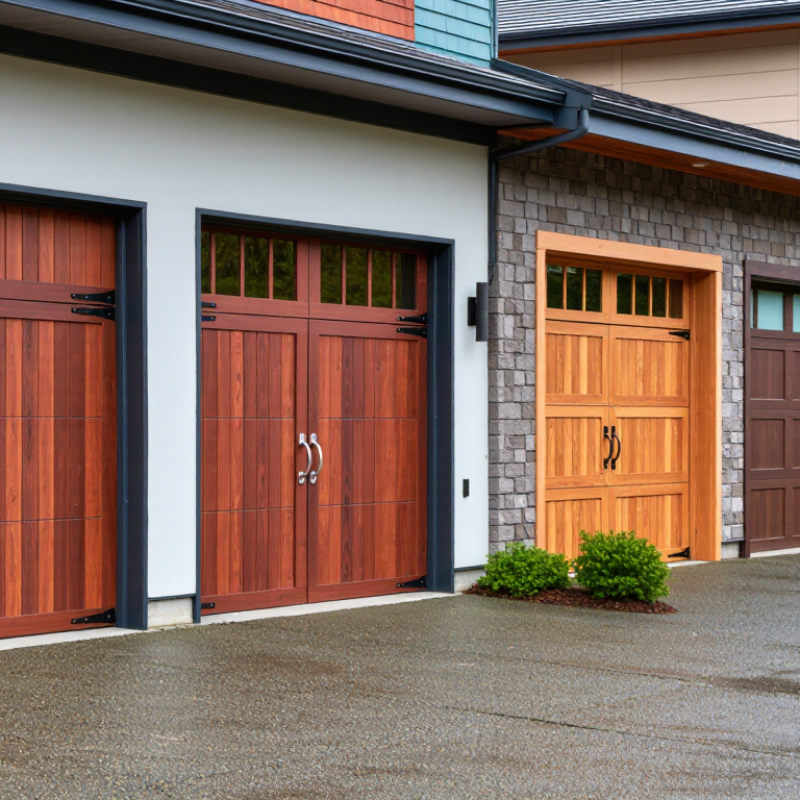
In 2026, wooden garage doors come in several practical styles. Traditional swing-out doors use two hinged panels and create a classic entrance. They need clear space outside the garage. Carriage-house doors copy this appearance but often use modern overhead tracks. They open vertically, which suits shorter driveways. Raised-panel wooden doors add depth through framed sections and suit many home designs. Custom arched doors can look impressive, but their unusual shape may increase repair costs.

Sliding wooden doors move sideways along a track. They work well when the ceiling has limited room. However, the side wall must remain clear. Bi-fold doors use smaller hinged sections and can open quickly. They are useful for workshops and wider openings. Modern flush wood doors offer clean lines, fewer decorative details, and a calmer appearance. Some use engineered timber cores with natural wood surfaces. This design can improve stability in humid weather, although it may not feel as solid as thick natural timber.

During installation, I would check the opening, drainage, sunlight, and local weather before choosing a style. Cedar, oak, and other durable woods require different sealing schedules. A neglected finish can crack around the lower panels. I once underestimated morning rain on a side-hinged door. The bottom edge absorbed moisture faster than expected. That mistake changed my view of maintenance. Good hinges, accurate tracks, and properly fitted seals matter as much as appearance. Small gaps can admit dust, cold air, and insects. Safety sensors and a qualified installation help prevent avoidable operating problems.

Key Features of the Best Wooden Garage Doors

The best wooden garage doors in 2026 combine durable construction, quiet operation, and a finish suited to local weather. From my installation experience, a properly sealed hardwood or engineered wood panel resists swelling better than untreated timber. Inspect the frame. It should use reinforced joints, corrosion-resistant hardware, and balanced lifting components. Insulation matters too. A dense core can reduce heat loss and soften street noise, especially beside living areas.

Good design is not only about appearance. The door should open evenly, stop smoothly, and remain stable during repeated cycles. Weather seals along the bottom and sides help block rain, dust, and cold drafts. Small gaps reveal poor adjustment. Choose glazing carefully, since double-pane glass improves comfort but adds weight and maintenance. A reliable safety system should reverse the door when it detects an obstacle. I would also check the drainage around the garage, because a beautiful door cannot correct standing water.

Wood selection deserves practical attention. Stable species, laminated sections, and factory-applied protective coatings usually offer more predictable performance than inexpensive solid boards. However, no coating lasts forever. Inspect exposed edges each year, and repair hairline cracks before moisture enters. Color fading may be normal, not a defect. Still, I once underestimated afternoon sunlight on a west-facing garage; the finish aged faster than expected. That experience makes shade, ventilation, and local humidity essential parts of the decision. A professional measurement and installation can prevent rubbing panels, uneven gaps, and premature hardware wear.

What Are the 2026 Best Wooden Garage Doors? - Key Features of the Best Wooden Garage Doors

Evaluation Dimension Recommended Specification Performance Priority Why It Matters
Door Construction Engineered wood, laminated timber, or a properly braced solid-wood frame with weather-resistant panels Very High Engineered construction generally improves dimensional stability and helps reduce seasonal warping compared with a single wide solid-wood board.
Wood Selection A durable, properly dried wood species selected for the local climate; exterior-grade components should be used in exposed areas High Wood absorbs and releases moisture. Correct drying, sealing, and species selection help limit swelling, shrinking, and surface checking.
Insulation Insulated panels with a continuous thermal core and a published U-factor or R-value High An insulated door can reduce heat transfer and improve comfort in garages connected to conditioned living spaces. Actual performance depends on the complete door assembly.
Weather Sealing Replaceable bottom seal, perimeter weatherstripping, and a properly fitted threshold or floor seal Very High Continuous seals help block drafts, rain, dust, insects, and light. Seals should remain flexible and be replaceable when worn.
Exterior Finish Factory-applied or professionally applied exterior stain or paint on all exposed surfaces, edges, and cutouts Very High Complete coating coverage protects wood from ultraviolet exposure and moisture. Exposed end grain requires particular attention.
Maintenance Requirement Regular visual inspections, cleaning, seal checks, and recoating according to the finish and local exposure High Wood doors require more ongoing finish care than many non-wood alternatives, especially in wet, sunny, or coastal environments.
Hardware System Corrosion-resistant hinges, rollers, tracks, lifting hardware, and fasteners sized for the complete door weight Very High Wood doors can be heavy. Correctly rated hardware supports smooth operation, reduces wear, and helps maintain safe alignment.
Safety Features Pinch-resistant design where available, properly contained springs, automatic reversal, and photoelectric safety sensors for powered operation Very High Safety components help reduce crushing and entrapment risks. Powered doors should be installed and tested according to applicable safety requirements.
Glazing Safety-rated glazing, sealed insulating glass where thermal performance is important, and secure glazing retention Medium–High Windows add daylight and visual appeal, while safety-rated and insulated glazing can improve durability and energy performance.
Wind and Moisture Resistance A door assembly tested or specified for the project’s wind exposure, with reinforced framing and effective drainage details High Local weather conditions influence panel design, anchoring, sealing, and reinforcement requirements. A site-specific specification is more reliable than a generic rating.
Opening Style Sectional, swing-out, or sliding operation selected according to available headroom, driveway clearance, and door weight High The operating style affects clearance, hardware loads, installation complexity, and compatibility with an automatic opener.
Sustainability and Repairability Responsibly sourced wood, durable finishes, replaceable seals, serviceable hardware, and repairable individual components Medium–High Repairable parts and maintainable finishes can extend service life and reduce the need to replace the entire door assembly.

Note: Actual performance depends on the door design, opening size, installation quality, local climate, maintenance schedule, and applicable building and safety requirements.

How to Compare Wood Species, Designs, and Construction

What Are the 2026 Best Wooden Garage Doors?

Choosing a wooden garage door starts with climate, not appearance. Cedar resists decay naturally and suits humid regions, but it still needs regular sealing. Oak offers a harder surface and strong grain, though its weight demands dependable springs and reinforced hardware. Pine costs less and machines easily. However, exposed pine can absorb water quickly without careful finishing.

Design affects performance just as much as species. A sectional door saves driveway space and usually seals better than a traditional swing-out design. Carriage-house styling adds character, but decorative straps do not improve structural strength. Look for laminated stiles, stable rails, corrosion-resistant fasteners, and replaceable weather seals.

The USDA Forest Products Laboratory’s Wood Handbook identifies moisture movement as a major cause of wood distortion. That matters around a garage, where wet boots, snow, and temperature changes are common.

Construction quality deserves a closer inspection. Check whether the panels use solid boards, finger-jointed wood, or an engineered core with a wood veneer. Solid timber can look richer, but it may move more across seasons. An engineered core can remain flatter, although poor edging may expose weak points. The 2024 Cost vs. Value Report recorded 194.2% cost recoupment for a garage-door replacement benchmark, but that figure reflects a standard manufactured door, not a custom wooden model. I would not treat it as a promise. Local wind requirements, opener capacity, and maintenance labor can change the calculation considerably.

Energy Efficiency, Durability, and Maintenance Requirements

Wooden garage doors can improve a home’s character, but energy performance depends on their construction. Solid wood alone is not an efficient insulator. A sectional door with insulated cores, tight perimeter seals, and a properly fitted threshold performs better.

The U.S. Department of Energy reports that air leakage can cause 25–40% of heating and cooling energy use. That makes installation quality critical.

Even a beautiful door wastes energy when daylight shows around its edges.

Durability depends on moisture control.

Wood absorbs water, especially near the bottom rail and exposed joints. A durable finish, covered hardware, and sheltered placement can reduce swelling and cracking.

However, maintenance is not optional. Inspect the finish every year, clean drainage paths, and renew protective coatings when the surface looks dull or uneven.

The EPA’s ENERGY STAR guidance says sealing air leaks can save up to 10% on annual energy costs. That figure is not guaranteed for every garage. Climate, door size, and indoor temperatures change the result.

Tips:

Choose factory-tested insulation and ask for its R-value. Check weatherstripping each autumn. Keep sprinklers away from the door. Do not ignore small cracks. They often become expensive repairs.

Lubricate moving parts only as the safety manual permits. A 2024 industry survey from the International Door Association highlights professional inspection as a practical way to identify balance, seal, and hardware problems early.

I would still question one common assumption: thicker wood does not automatically mean better efficiency. A thinner, sealed, insulated design may perform better.

How to Choose the Right Wooden Garage Door for Your Home

Choosing the right wooden garage door starts with your home, not a showroom photograph. Measure the opening, headroom, and side clearance carefully. Check your climate, sun exposure, and local wind requirements. A south-facing door can experience intense heat, while coastal moisture may accelerate swelling and paint failure.

The U.S. Department of Energy recommends controlling air leakage around garage doors because small gaps can affect comfort in connected rooms. Insulated construction may help, but the door’s sealing system matters too. Look for durable weatherstripping, reinforced hinges, and a tested wind-load rating. Zonda’s 2024 Cost vs. Value Report estimated that garage door replacement could recover about 194% of its cost nationally. That figure reflects curb appeal, not guaranteed resale profit. Wood still demands regular inspection.

Tips: Choose rot-resistant wood or a properly sealed exterior. Examine the bottom edge every season. Recoat before cracks expose bare fibers. Ask for the door’s tested R-value, not a vague insulation claim. A heavier door may look substantial, yet it can strain an unsuitable opener. Have the opener and spring system checked together. I would not choose ornate panels for a shaded, damp entrance without planning maintenance. Beauty can become a chore.

Go to Top