Top Tips for Choosing the Right Single Garage Door?
Choosing the right single garage door can significantly impact your home’s curb appeal and security. The market offers various styles, materials, and features. Navigating these options may feel overwhelming. However, understanding your specific needs is crucial. A well-chosen single garage door can enhance functionality and aesthetics.
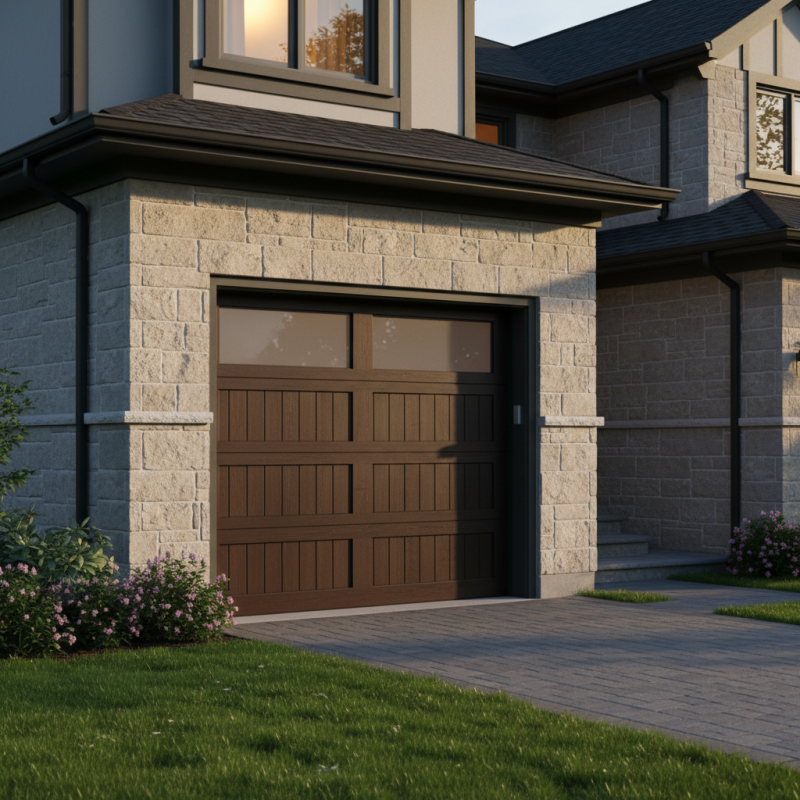
Consider your budget, climate, and design preferences. Different materials offer unique benefits. For example, wooden doors provide charm but require more maintenance. Conversely, steel doors are durable and low-maintenance. Think about insulation as well—an insulated single garage door can improve energy efficiency.
Pay attention to local building codes and manufacturer warranties. It’s also wise to research reliable brands. Engaging with professionals can guide you through this decision. Remember, investing time in selecting the perfect single garage door pays off in the long run.
Understanding Different Types of Single Garage Doors Available
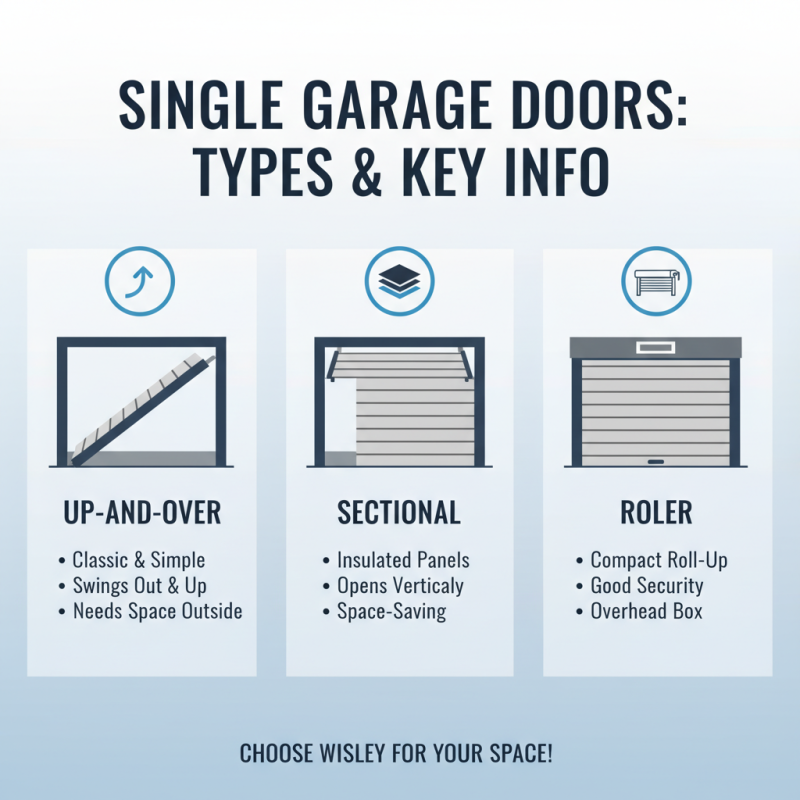
When choosing a single garage door, understanding the variety of available options is crucial. There are several types that cater to different needs and preferences. For example, the classic up-and-over door is popular for its simplicity and ease of use. These doors swing out and upward, providing full access to the garage. However, they require adequate space in front of the garage.
Another option is the sectional garage door. This type is made of several panels that slide up along tracks. They fit tightly in the opening, making them an excellent choice for homes with limited space. These doors often provide better insulation than others. However, installation can sometimes be complex, and requiring professional help might add to costs.
Roller garage doors are also worth considering. They are compact and open vertically, rolling up into a small box above the opening. This design saves space but can be costly. It's essential to weigh the pros and cons of each type. Potential buyers should reflect on what features matter most, like security, material, and insulation. Make a list of priorities before diving into options. After all, the right choice enhances both functionality and aesthetics.
Evaluating Garage Door Materials for Durability and Aesthetics
Selecting the right material for your single garage door impacts both durability and aesthetics significantly. Steel, for example, is renowned for its strength. It can withstand various weather conditions without warping or cracking. This makes it a popular choice. However, steel can rust over time if not properly maintained. Regular painting or using galvanized steel can help prevent this issue.
Wood, on the other hand, is aesthetically pleasing. It provides a warm, classic look that many homeowners appreciate. Yet, wood requires regular maintenance to prevent rotting and fading. Without consistent care, it can become an eyesore. Some homeowners may find this upkeep manageable, while others may struggle.
Vinyl presents an alternative that combines durability and lower maintenance. It resists dents and does not require painting. However, it might not offer the same aesthetic appeal as wood. Many struggle with striking the right balance between looks and longevity. Ultimately, evaluating these materials carefully will lead to better decision-making and satisfaction with your garage door choice.
Evaluating Garage Door Materials for Durability and Aesthetics
Key Features to Consider for Functionality and Security
When selecting a single garage door, functionality and security should be top priorities. Many homeowners underestimate the importance of these features, leading to regrets down the line. According to the National Association of Home Builders, more than 70% of homeowners prioritize security when choosing garage doors. This is a significant factor as a secure garage can prevent break-ins and protect valuable assets.
Consider the materials used in construction. Steel doors offer durability while wooden doors provide aesthetic appeal. Research shows that insulated doors can reduce energy costs by up to 20%. Additionally, look for doors equipped with secure locks and reinforcement features. These enhance protection against forced entries.
Another critical aspect is the door’s operation mechanism. A reliable opener with remote access can add convenience and security. Installing smart technology can alert you to unauthorized access.
Tip: Always check for high-quality seals around the door. Gaps can lead to energy loss and vulnerabilities.
Reflect on your needs and lifestyle. A heavy door may provide security, but it can be cumbersome. Balancing security with ease of use is key. Investing in safety features, such as motion sensors, can significantly enhance your home's overall security.
Assessing Size and Fit for Your Garage Opening
When assessing size and fit for your garage door, accurate measurements are key. Start by measuring the width and height of your garage opening. It may seem simple, but even a small error can lead to significant problems. Be sure to measure at several points, as openings can vary due to settling. A standard door won't fit every space.
Consider the style of your garage as well. A modern home may look out of place with a vintage door. Choose a door that complements your property's aesthetics. Think about functionality too. A door that opens smoothly is essential. Do you have enough clearance for overhead doors?
Take time to reflect on your priorities. You might find that insulation is more important than appearance. This can impact energy efficiency. Visualize how the door will change your garage's usage. A well-fitted door enhances both accessibility and security.
Budgeting and Cost Considerations for Your Garage Door Selection
When selecting a single garage door, budgeting is crucial. The average cost of a new garage door can range from $600 to $2,500. Factors influencing costs include materials, insulation levels, and added features like windows or smart technology. Accurately estimating your budget helps prevent unexpected financial strain.
Research shows that investing in a high-quality door can improve your home’s value by approximately 1-4%. This figure varies by location and current market trends. You should consider not just the initial cost but also long-term savings on energy bills and repairs.
It's vital to balance quality and affordability. Sometimes cheaper options can lead to frequent repairs. For instance, lower-rated materials may necessitate replacement after only a few years. Be cautious while making your selection. A thorough understanding of your budget and the costs associated with different types of doors will ultimately lead to a more satisfying investment.