
How to Choose the Best Aluminum Garage Door?
Choosing the best aluminum garage door is not simply a matter of selecting the brightest finish. The right decision depends on climate, daily use, security needs, insulation, and installation quality. A lightweight aluminum garage door may glide smoothly and resist rust near coastal air. However, thin panels can dent when struck by bicycles, tools, or a child’s football. That weakness deserves honest attention.
Tom Wadsworth, a respected garage-door industry educator, emphasizes this practical principle: “The garage door is only as good as its installation.” His point matters because even premium aluminum can rattle, bind, or lose weather protection when tracks are poorly aligned. Examine the rollers, hinges, springs, seals, and opener compatibility. Touch the panel edges. Check whether the frame feels rigid. Small details reveal more than a showroom photograph.
Think about the garage itself. Does afternoon sunlight turn it into an oven? Choose insulated panels and a reflective finish. Does winter bring freezing rain? Look for tight bottom seals and corrosion-resistant hardware. Is the driveway exposed to strong wind? Confirm the door’s tested wind rating with the manufacturer. Do not rely on vague sales language.
There is no perfect door.
A darker powder-coated surface may look elegant, yet it can show scratches more clearly. A glass-and-aluminum design can brighten the room, but privacy may become an issue. Compare warranties carefully, including finish coverage and hardware exclusions. Ask for installation references, not just product brochures. The best aluminum garage door balances appearance, durability, maintenance, and realistic household use. It should fit your home, not merely follow a showroom trend.
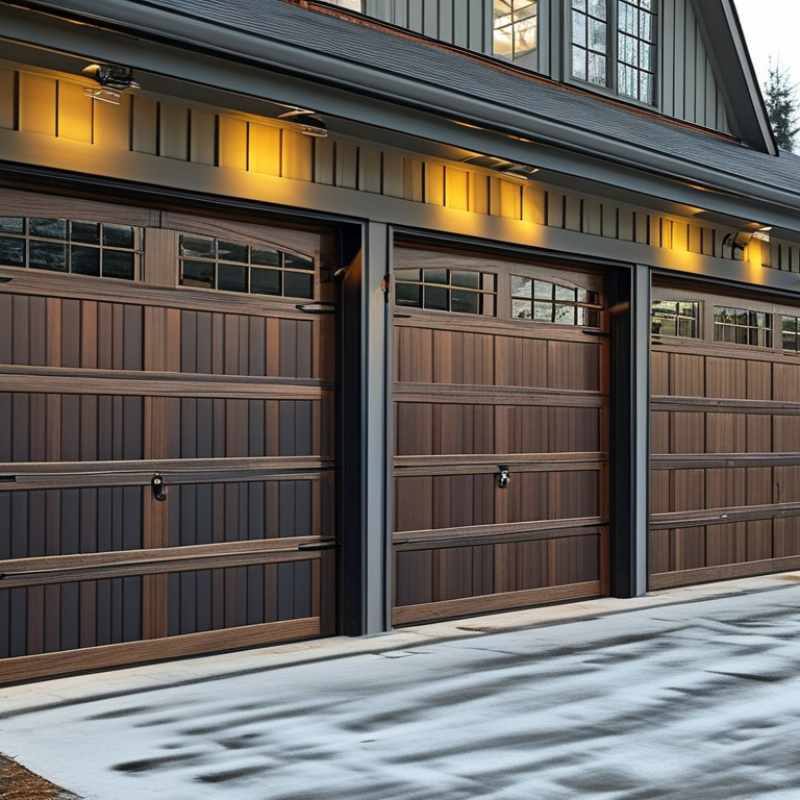
Define Your Garage Door Needs and Priorities
Choosing the best aluminum garage door starts with defining what your garage must do. A workshop needs steady temperatures, while a storage garage may prioritize low maintenance. Measure the opening, ceiling clearance, side room, and driveway slope before comparing designs. Small errors can create expensive installation problems.
In my garage assessments, I have found that homeowners often focus on appearance first. I did this once myself. The door looked excellent, but its thin panels allowed heat and noise to pass through. Consider insulation, panel thickness, window placement, and weather seals together. If you live near the coast, ask about corrosion-resistant finishes and suitable hardware. In windy areas, request verified wind-load information from a qualified installer. Security also matters. Choose strong locking points and a reliable automatic opener, but avoid unnecessary features that complicate repairs. Set a practical budget for the door, installation, maintenance, and future part replacement. The cheapest option is not always economical.
Tips: Write your priorities before shopping. Mark each as essential, useful, or optional. Check how the door moves in winter clothing, with bicycles nearby, or during a power outage. Ask for written specifications, warranty terms, and maintenance instructions. Inspect samples in daylight, because aluminum colors can look different indoors. Leave room for doubt. Your first preference may change after measuring the space.
How to Choose the Best Aluminum Garage Door? - Define Your Garage Door Needs and Priorities
| Primary Need | Recommended Aluminum Door Configuration | Key Specifications to Consider | Advantages | Possible Trade-Offs | Typical Budget Level |
|---|---|---|---|---|---|
| Low maintenance in wet or coastal areas | Corrosion-resistant design Powder-coated aluminum frame and panels with stainless-steel or corrosion-resistant hardware |
Marine-grade finish where appropriate; sealed joints; weather-resistant bottom seal; avoid exposed dissimilar metals that may cause galvanic corrosion | Aluminum does not rust like untreated steel and is relatively easy to clean | Salt air can still damage coatings and hardware if the door is not rinsed and inspected regularly | Medium to high |
| Natural light and a modern appearance | Full-view or partial-view door Aluminum stiles and rails combined with tempered or laminated glass |
Tempered safety glass for general use; laminated glass for improved impact retention and sound control; select clear, frosted, tinted, or insulated glazing | Creates a contemporary look and can brighten a garage used as a workshop or living area | More glass increases cost, cleaning needs, solar heat gain, and potential heat loss unless insulated glazing is used | Medium to high |
| Energy efficiency and temperature control | Thermally improved insulated door Insulated aluminum panels or an aluminum frame with insulated glass and perimeter seals |
Check the complete door's U-factor or tested thermal performance; inspect panel joints, bottom seal, side seals, and top seal | Reduces heat transfer and drafts compared with an uninsulated door, especially when the garage is attached to the home | Insulation performance depends on the entire assembly, installation quality, and air leakage—not just the panel material | Medium to high |
| Security and privacy | Limited-glazing sectional door Solid lower panels with small upper windows or privacy glazing |
Strong locking and lifting-resistant hardware; concealed or protected release components; laminated or frosted glazing where visibility is a concern | Limits views into the garage while retaining some daylight and supporting normal residential security practices | No garage door should be treated as the sole security barrier; additional lighting, alarms, and locked interior access may be needed | Medium |
| Quiet and frequent operation | Lightweight sectional door with quality hardware Balanced springs, nylon rollers, reinforced hinges, and a properly sized opener |
Check cycle rating, roller quality, track alignment, spring system, opener compatibility, and door weight | Aluminum is lighter than many steel constructions, which can reduce opener load when the door is correctly balanced | Thin aluminum panels may dent more easily, and lightweight construction does not eliminate noise caused by poor installation or worn hardware | Medium |
| High wind or severe weather exposure | Wind-rated reinforced door Aluminum door engineered for the site's local wind requirements |
Verify tested wind-load rating, reinforcement layout, track system, anchoring, and local building-code requirements | Proper reinforcement improves resistance to pressure and helps maintain door integrity during severe weather | Wind-rated construction may add weight, reinforcement, installation complexity, and cost | High |
| A clean appearance with limited upkeep | Powder-coated aluminum door Simple panel profile with durable exterior finish |
Uniform coating coverage; compatible touch-up method; smooth surfaces; accessible drainage and seal components | Usually requires only periodic washing with mild soap and water; does not require routine painting in normal conditions | Scratches, dents, and harsh cleaners can damage the finish; color matching repairs may be difficult | Medium |
| A tight fit for an unusual opening | Custom-sized aluminum door Door designed around the actual opening, headroom, side room, and backroom |
Measure the finished opening, floor level, jambs, ceiling obstructions, track clearance, and opener location before ordering | Can accommodate wider, taller, low-headroom, or architecturally distinctive openings | Custom dimensions and nonstandard hardware generally increase lead time and total project cost | Medium to high |
| Lower initial purchase cost | Standard single-layer aluminum design Basic finish, limited glazing, and standard-size opening |
Compare complete installed pricing, including tracks, springs, seals, opener compatibility, delivery, and disposal of the old door | Can provide a lightweight, corrosion-resistant solution with fewer design upgrades | Usually offers less insulation, impact resistance, privacy, and sound control than upgraded constructions | Low to medium |
| Long-term value | Balanced-performance package Insulated sections, durable coating, practical glazing, reinforced hardware, and professional installation |
Evaluate warranty terms, replacement-part availability, service access, expected maintenance, thermal performance, and local code compliance | Balances appearance, durability, comfort, operating performance, and future repairability | The lowest-priced option may not provide the best lifetime value if seals, hardware, glazing, or installation quality are inadequate | Medium to high |
Selection tip: Start by ranking your top three priorities—such as corrosion resistance, insulation, natural light, security, appearance, or budget—then compare complete door assemblies rather than panel material alone. Prices vary substantially by size, glazing, insulation, wind requirements, hardware, installation, and local labor rates.
Related Posts
-
How to Choose the Perfect Aluminum Garage Door for Your Home
-
How to Choose the Best Aluminum Garage Door for Your Home?
-
Best Aluminum Garage Door Options for Your Home?
-

Creative Aluminum Garage Door Designs to Elevate Your Home Exterior
-
What to Know About Garage Doors with Built in Doors
-
2026 Best Metal Garage Doors Features and Benefits Explained?