China has become a major sourcing base for sectional, rolling, and insulated garage doors. This shift reflects expanding construction, replacement demand, and smart-home adoption across Asia-Pacific. Grand View Research’s Garage Doors Market analysis identifies automation, energy efficiency, and residential renovation as important industry drivers. Mordor Intelligence also reports strong manufacturing activity in the Asia-Pacific garage door sector.
This article introduces ten Chinese manufacturers associated with products suitable for dalton garage doors applications. The selection should not be treated as an official Dalton affiliation. It focuses on practical supply indicators, including factory experience, export capability, product customization, safety testing, and after-sales support. Buyers should check whether each supplier can provide load calculations, wind-resistance data, insulation ratings, and installation drawings.
Details matter. A reliable factory should explain panel thickness, spring-cycle testing, opener compatibility, and corrosion protection clearly. It should also offer traceable quality records rather than attractive photographs alone. The International Energy Agency continues to emphasize building-envelope efficiency, making insulated garage doors increasingly relevant for projects seeking lower heating and cooling demand. Still, insulation claims can vary between laboratories and product configurations.
A polished catalog is not proof. Factory audits, sample orders, and independent inspections remain valuable. Some manufacturers may excel at OEM production but lack strong consumer branding. Others may offer advanced automation while providing limited local service. This comparison therefore requires careful verification, not blind ranking. The final list aims to help importers, distributors, contractors, and property developers compare Chinese suppliers more objectively. Availability, certification, lead time, and regional compliance should be confirmed before signing any purchase agreement.
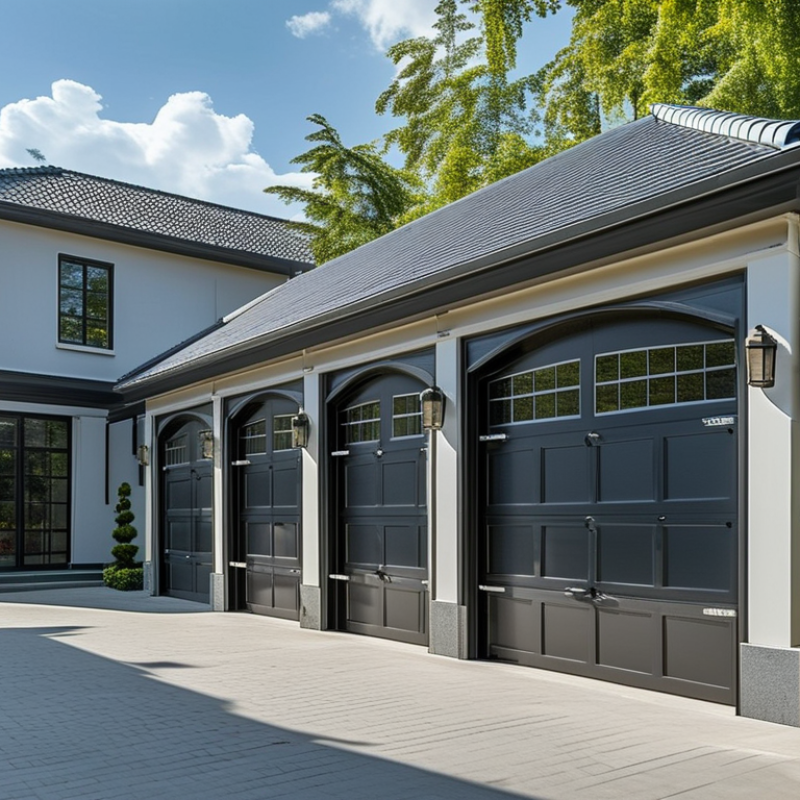
China’s top 10 garage door manufacturers should be assessed by clear scope, not attractive rankings. This review focuses on factories producing sectional, roller, and insulated garage door systems for residential and commercial projects. It considers manufacturers serving international buyers, offering export documentation, and supporting custom dimensions. A factory’s location alone proves little.
Selection begins with production experience and technical capability. We examine steel thickness, panel density, surface coating, spring quality, track alignment, and motor compatibility. Factory audits should include machinery, worker training, quality checkpoints, and packaging areas. Product samples matter. A clean showroom can hide inconsistent production.
Reliable evidence includes test reports, installation manuals, inspection records, and recent buyer references. We also compare response time, spare-part availability, warranty terms, and correction procedures. Price deserves attention, but the lowest quotation may signal thinner panels or weaker hardware. That needs investigation. I would request a sample before placing a large order and check its seals after repeated opening cycles. Even this method has limits. Test conditions may differ from real garages, and supplier references can be selective. Buyers should record every specification in the purchase contract, including tolerances, colors, delivery dates, and replacement responsibilities. Clear records reduce avoidable disputes.
China Top 10 Dalton Garage Doors Manufacturers?
China’s garage door sector is strongly connected to construction, logistics, and industrial renovation. Grand View Research estimates the global garage door market will continue growing through 2030, supported by automated access and replacement demand. Asia-Pacific remains one of the fastest-expanding regions. Chinese demand is visible around new warehouses, residential compounds, and small commercial workshops.
Export data needs careful reading. UN Comtrade and China Customs classify many steel doors under HS 730830, not garage doors alone. China’s exports in this category reached several billion U.S. dollars in recent reporting years. The figure includes fire doors, industrial doors, frames, and other products. It is useful, but imperfect. Aluminum products may appear under another code. Wooden doors are classified differently.
Production assessments should examine more than factory capacity. A reliable supplier should provide tested load ratings, cycle-life results, wind resistance data, and documented quality procedures. Reports from the International Trade Centre can help compare destination markets, while national customs data shows shipment direction and value. Demand is not evenly distributed. North America and Europe often require stricter thermal and safety performance, while emerging markets may prioritize price and simple maintenance. That difference changes product specifications.
Some market reports use different definitions. Their estimates may not match. Buyers should verify production claims against audited records, sample inspections, and recent export documents. Numbers alone are not enough.
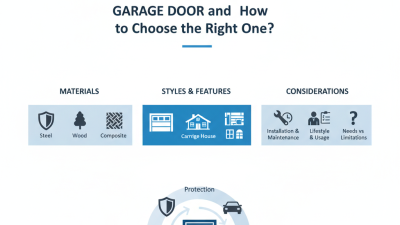
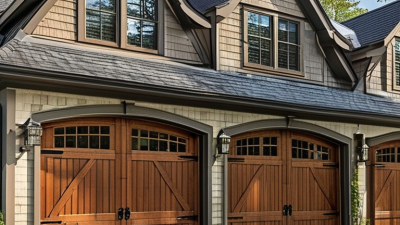
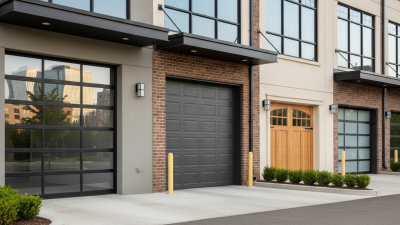
China’s top 10 Dalton garage door manufacturers should be assessed through products, materials, certifications, and production capacity. Their product ranges may include sectional doors, rolling doors, insulated panels, fire-rated models, and commercial loading doors. Residential projects often use steel or aluminum panels. Steel offers strength, while aluminum reduces weight and corrosion concerns. Wood-look finishes add visual warmth but require closer maintenance.
Material thickness matters. So do insulation density, hinge quality, track alignment, and spring-cycle ratings. Experienced manufacturers usually provide technical drawings, sample testing, installation guidance, and replacement-part support. Some factories hold ISO 9001 quality certification, while selected products may carry CE, UL, or other market-specific approvals. These documents need verification. A printed certificate alone proves little.
Capacity should be measured through equipment, workforce, lead times, and inspection records. Larger plants may operate automated forming lines, powder-coating systems, and dedicated assembly areas. Some report annual output in the tens of thousands of doors. Buyers should request factory videos, batch records, and recent project references. I would not trust capacity claims without production evidence. A polished catalog can still hide inconsistent panel dimensions or delayed spare parts. Small defects become expensive during installation. The stronger manufacturers communicate clearly, test samples before mass production, and admit limitations when a specification needs adjustment.
When comparing China’s top garage-door manufacturers, safety evidence should matter more than polished catalogs. UL 325 mainly addresses powered door operators, entrapment protection, and control systems in North American applications. Ask for the exact certificate, covered model, revision, and testing laboratory. A logo alone proves little. During a site inspection, I would check photo-eye alignment, emergency release access, closing force, and reversal response. Small details often expose weak quality control.
For European projects, EN 13241 evaluates industrial, commercial, and residential door performance. It relates to safety, durability, thermal behavior, and operational characteristics. Request the Declaration of Performance and the applicable test reports. Confirm that the supplied configuration matches the tested panel, tracks, springs, and operator. Substituting components may change the result. This is where many comparisons become unreliable.
Wind ratings need equal attention. A manufacturer should state design pressure, test method, door size, mounting condition, and allowable deflection. Coastal exposure and corner zones can sharply increase loads. A door rated for one opening may not suit a wider warehouse bay. I have seen impressive figures presented without installation assumptions. That omission deserves challenge. Local building codes and a qualified engineer must verify the final selection. Performance depends on the whole assembly, not the panel alone. Fresh documentation is useful, but field evidence still matters.
Comparing Chinese suppliers requires more than a polished catalog. A practical shortlist should examine price, MOQ, lead time, and service evidence. Standard insulated sectional doors often quote around $180–$520 per set FOB, depending on panel thickness, hardware, finish, and motor preparation. Custom colors and reinforced tracks raise costs. Ask for a written breakdown. Otherwise, the lowest quote may hide packaging or accessory charges.
MOQ varies widely. Some factories accept one sample set, while production orders may start at 10–50 sets. This flexibility helps distributors test demand. It can also increase unit cost.
Request samples with the same steel gauge, seal design, and spring system used in mass production. A sample that feels excellent may not represent the final batch. That is an uncomfortable but important check.
Lead times commonly range from 15–35 working days after drawing approval and deposit. Peak seasons can extend schedules. Confirm whether the clock starts at payment, technical approval, or both. For global service, measure response time, installation drawings, spare-part availability, warranty handling, and destination support. Strong suppliers provide packing photos, loading records, serial traceability, and remote troubleshooting. Ask for recent export references, not vague claims. Service data may be incomplete. Record response hours, replacement rates, and unresolved cases in a comparison sheet before choosing a supplier.