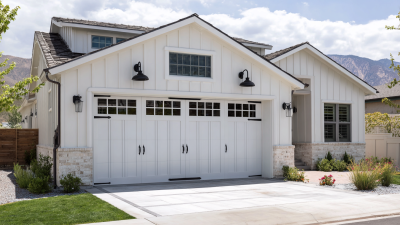
Discover the Top Types of Garage Doors for Your Home?
When it comes to enhancing your home, the types of garage doors you choose can make a significant difference. A garage door is more than just a functional element; it is a key part of your home’s exterior. These doors not only provide security but also contribute to your home's curb appeal and overall value.
There are various types of garage doors available, each with unique features and styles. For example, traditional wooden doors exude charm but require maintenance. Conversely, modern steel doors offer durability but may lack warmth. Finding the right balance can be challenging. Homeowners often overlook the importance of garage door insulation, which can affect heating and cooling costs.
Investing time in understanding the types of garage doors will help you make informed decisions. This knowledge will ensure your choice aligns with your aesthetic preferences and functional needs. It's worth noting that while many options exist, not all types may suit every home. Reflecting on both style and practicality is essential in this process.
Understanding Different Garage Door Materials and Their Benefits
When choosing a garage door, material plays a vital role.
Steel, wood, aluminum, and fiberglass each offer distinct advantages. For instance,
steel doors are durable and energy-efficient.
According to the International Door Association, steel doors have a lifespan of about 20 years. They resist dents, which is particularly beneficial in busy households.
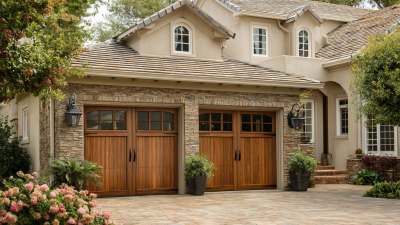
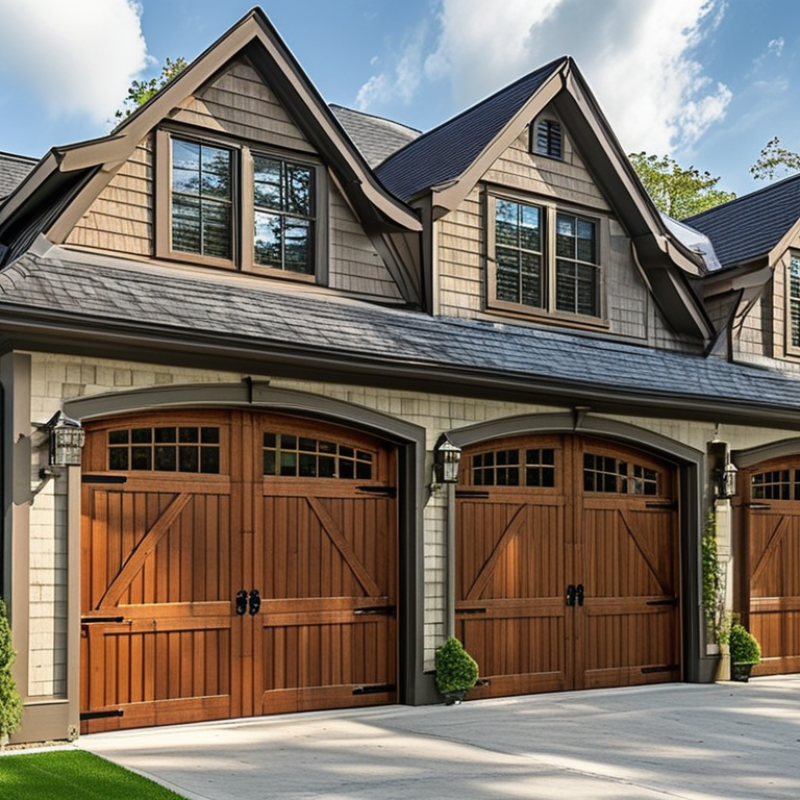
Wooden garage doors present a classic aesthetic. They provide natural insulation but require regular maintenance to prevent rot.
A survey by the Garage Door Manufacturers Association shows that wood doors can add 5-10% to a home's value.
However, homeowners must weigh this against the ongoing care they demand.
Aluminum doors are lightweight and resistant to rust, making them a practical choice for coastal areas.
But their softer surface can dent easily. Fiberglass doors are also lightweight and can mimic the look of wood.
Despite their advantages, they may become brittle over time. Each option has its merits and drawbacks, reflecting personal preferences and environmental conditions.
Classic vs. Modern: Exploring Garage Door Styles for Every Home
When choosing a garage door, style plays a crucial role. The two main categories to consider are classic and modern garage doors. Classic styles often include wood or raised-panel doors. They provide a traditional and timeless elegance, appealing to homeowners who value nostalgia. According to the Door & Access Systems Manufacturers Association, nearly 40% of homeowners prefer traditional styles for their robustness and aesthetic.
Modern garage doors, on the other hand, emphasize clean lines and minimalist designs. They typically feature materials like aluminum and glass. Many homeowners are shifting towards these options, attracted by their contemporary appeal and energy efficiency. Reports suggest that modern garage doors can improve a home's energy rating by up to 25%. However, some may feel that modern designs lack warmth or character. This flip side should be pondered over, especially when considering the overall style of the home.
In terms of functionality, both styles have their pros and cons. Classic doors may require more maintenance due to their materials, while modern doors often offer better insulation. Recognizing these differences helps in making an informed choice that complements both the exterior look and the practical needs of a household.
Discover the Top Types of Garage Doors for Your Home
This chart illustrates the popularity of different types of garage doors among homeowners. Classic Steel and Wooden garage doors lead the preferences, while options like Modern Aluminum and Fiberglass are less popular.
Energy Efficiency Features in Garage Doors: What to Consider
When selecting a garage door, energy efficiency is crucial. An insulated garage door can help keep your home’s temperature stable. This feature is especially important in regions with extreme weather. A well-insulated door minimizes heat loss during winter and keeps your garage cooler in the summer.
Consider the materials used in the garage door construction. Steel doors often provide better insulation than wood. Look for doors with a high R-value. This measures thermal resistance. While these doors can be initially pricey, they may save you money on energy costs over time.
Be aware of potential downsides. Some insulated doors might be heavier, making them harder to operate. Regular maintenance is necessary to ensure these features work properly. Take time to find the right balance between insulation and door functionality. This choice impacts your home’s overall efficiency and comfort.
Customization Options: Enhancing Your Garage Door’s Curb Appeal
When it comes to garage doors, customization plays a vital role in enhancing your home’s curb appeal. A well-chosen door gives your house character. Whether you prefer a modern design or a rustic feel, options abound. Colors, finishes, and materials can dramatically alter the look of your home.
You might consider contrasting colors to make your door stand out. A bold red door against a neutral house can be eye-catching. Additionally, adding windows can provide both style and functionality. They allow natural light in while maintaining security. However, be mindful of privacy issues when choosing window styles.
Tips for enhancing your garage door include adding decorative hardware. Unique handles and hinges can add charm. Lighting fixtures on either side also create a welcoming effect. Don’t overlook the impact of landscaping around the garage. Flowers or shrubs can frame the door beautifully. It's vital to keep the overall look cohesive. Sometimes, trying too many styles can look cluttered. Less can definitely be more in design.
Maintenance Tips for Different Types of Garage Doors: A Guide
Garage doors come in various styles. Each type requires unique maintenance. Understanding these needs can extend the life of your garage door.
Steel doors are durable but can rust. Inspect for scratches or dents regularly. Paint them to prevent rust. Studies show that proper maintenance can increase their lifespan by 30%.
Wood doors offer aesthetic appeal but need more care. They are prone to warping. Keep an eye on moisture levels. Seal them annually to protect against the elements. A simple seal can reduce maintenance costs by 20%.
For both types, lubricate hinges and rollers every few months. This simple task can prevent costly repairs. Regular checks can catch issues early, saving homeowners time and money.
Discover the Top Types of Garage Doors for Your Home - Maintenance Tips for Different Types of Garage Doors: A Guide
| Garage Door Type |
Description |
Maintenance Tips |
| Sectional Garage Door |
Made of several horizontal panels, commonly used for easy operation and space-saving. |
Lubricate the rollers and hinges every six months; check for balance and alignment. |
| Roll-up Garage Door |
Consists of slats that roll into a coil; ideal for commercial use or tight spaces. |
Clean tracks regularly; ensure the spring mechanism is functioning properly. |
| Side-hinged Garage Door |
Opens outward like a regular door; provides traditional aesthetics. |
Regularly check the hinges and handles; repaint if rusty to prevent further damage. |
| Tilt-up Garage Door |
Single panel that tilts up to open; offers a classic look and simple design. |
Inspect the springs and support structure annually; lubricate mechanisms to ensure smooth operation. |
| Aluminum Garage Door |
Durable and lightweight, resistant to rust and typically used for modern designs. |
Wash with mild soap; avoid abrasive cleaners to prevent scratches. |