What Is the Best Garage Door to Buy in 2026?

Choosing the best garage door in 2026 means balancing appearance with climate, construction, and everyday use. The choice starts at the opening. Zonda’s 2024 Cost vs. Value report estimated a national project cost of $4,513 for garage door replacement. It estimated $8,751 in resale value, equivalent to a 194% cost recoup. That figure is striking. It is not a promise of what any homeowner will earn back; costs and resale values vary by location.

The best option for a home depends on more than projected resale value. A door facing harsh weather may call for suitable wind-load performance, while a garage attached to living space may benefit from better insulation and careful sealing. Steel, wood, and composite doors also differ in maintenance, weight, appearance, and price. Check the opening measurements, track and spring compatibility, warranty terms, and the installer’s credentials before comparing quotes. Small details matter.

I would treat any universal “best door” ranking with caution. A low purchase price can hide higher upkeep, and a premium finish may not suit every home. Manufacturer specifications and an experienced installer can help verify that a door fits the building and its local conditions. In this guide, we’ll compare the main door types, materials, insulation choices, safety features, and costs, so you can judge which trade-offs make sense for your home.
What Is the Best Garage Door to Buy in 2026?

How Garage Door Types Differ in 2026

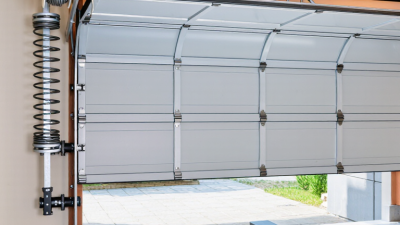
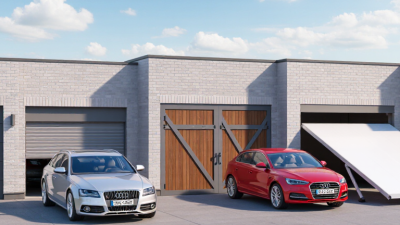
Garage doors differ most in how they open, what they are made of, and how well they insulate. Sectional doors lift along ceiling tracks, so they suit many standard garages. They need clear overhead space, though. Roll-up doors coil above the opening, which can help in garages with limited ceiling room. Side-hinged doors swing outward and offer easy pedestrian access, but need space in front.

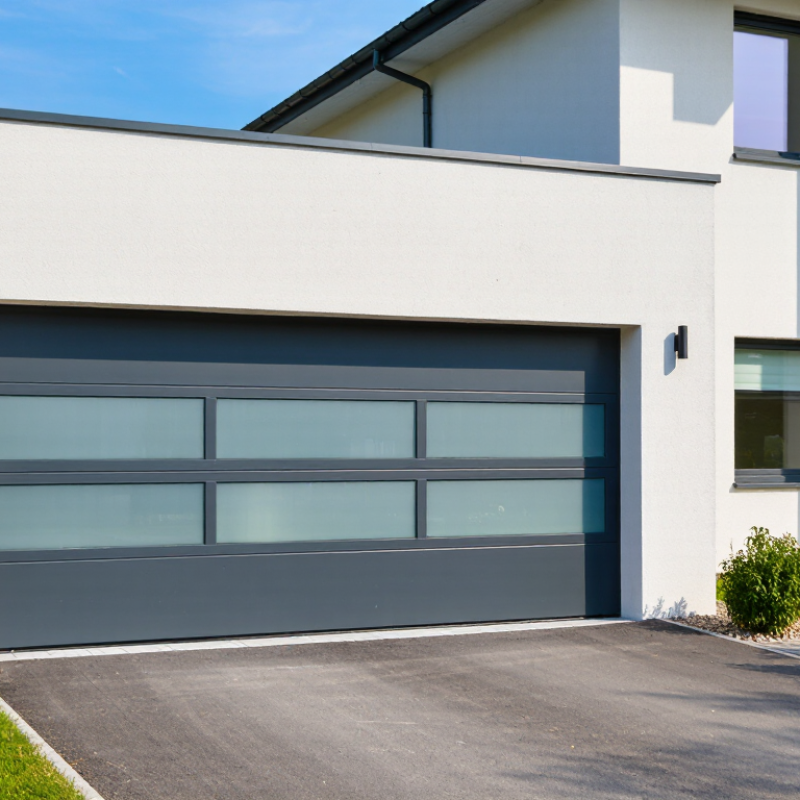
Material changes the door’s weight, upkeep, and appearance. Steel is durable and available with insulated cores, though dents can be difficult to repair. Wood brings natural texture and can be refinished, but it needs regular protection from moisture. Aluminum-and-glass designs admit daylight and feel modern; they may offer less insulation unless built with thermal breaks. Small detail, big impact.

Insulation matters most when the garage shares a wall with living space or faces harsh temperatures. Look beyond the advertised rating: seals around the edges, panel construction, and correct installation also affect comfort. Before choosing, measure the opening, ceiling clearance, and side room, then check local wind-load needs with a qualified installer. Smart opener compatibility can be useful, but it does not make a poorly fitted door perform better. No option wins everywhere. A heavier insulated door may feel like the obvious choice, yet it can require stronger hardware and careful balancing.

Which Door Materials Suit Different Climates and Budgets

Climate should guide the material before appearance does. In wet or coastal areas, aluminum resists rust, but dents easily and can feel less substantial. Steel is usually a practical, mid-priced choice; choose a corrosion-resistant finish and inspect the bottom edge, where water often lingers. In cold regions, an insulated steel door can reduce heat transfer between the garage and attached rooms. Check the door’s tested R-value, not just the word “insulated.” That detail matters.

Wood offers warmth and can be repaired, but rain, humidity, and harsh sun demand regular sealing. Fiberglass resists moisture and is relatively light, though strong impacts may crack it. There is no perfect material. A common mistake is paying for insulation when the garage is detached and rarely heated; measure your actual use first. For budget context, Zonda’s 2024 Cost vs. Value report estimated an average upscale garage-door replacement at $4,513, with $8,751 in resale value, or 194 percent cost recouped. Those are national estimates, not a promise for every home, and the report measures resale value—not climate performance. Compare local installation quotes, warranties, and maintenance needs before deciding.

What Is the Best Garage Door to Buy in 2026? — Materials Compared by Climate and Budget
Door material Typical installed cost (USD)* Durability and weather resistance Insulation potential Maintenance Climate and budget fit
Steel $800–$2,500 Strong and widely available. Coated steel resists weather, but scratches can expose metal to rust; coastal salt air can accelerate corrosion. Good when made with an insulated core and fitted with effective perimeter seals. Non-insulated models offer little thermal protection. Low to moderate. Wash periodically, inspect the finish, and repair chips before rust develops. A versatile choice for most climates and budgets. Choose a corrosion-resistant finish near the coast and insulation for very hot or cold regions.
Wood $2,000–$6,000+ Can be sturdy, but moisture and repeated wet-dry cycles may cause swelling, cracking, or warping if the door is not properly finished and maintained. Varies by construction. A substantial wood door can slow heat transfer, but its overall performance depends on thickness, joints, and seals. High. Finish and weather protection need regular inspection and periodic renewal. Best for buyers prioritizing a natural appearance and willing to maintain it. Less suitable for persistently damp climates without diligent upkeep.
Aluminum $1,500–$4,000 Lightweight and resistant to rust, though panels can dent more easily than steel. Salt air may still affect finishes and hardware. Usually modest unless the door has insulated panels or a thermal-break design. Low. Clean the surface and check hardware and protective coatings. A practical option where low weight and rust resistance matter. Consider a more dent-resistant design in busy households and insulated construction in temperature extremes.
Fiberglass $1,500–$4,000 Does not rust and resists moisture, but some products can become brittle or fade after prolonged intense sun exposure. Depends on the panel design; insulated models perform better than thin, uninsulated versions. Low to moderate. Keep the finish clean and check for cracks or sun damage over time. Can suit humid or coastal areas where rust is a concern. Check the product’s UV suitability before choosing it for a very sunny location.
Vinyl $1,000–$3,000 Resists rust, dents, and moisture well. Quality and resistance to fading or brittleness vary by construction and sun exposure. Generally limited in basic models; insulated versions offer better thermal performance. Low. Usually needs routine cleaning and periodic inspection of seals and hardware. A lower-maintenance option for wet climates and moderate budgets. Compare UV performance in sunny regions and insulation options in very cold or hot areas.
*Broad 2026 planning estimates in U.S. dollars for a typical residential double-car door, including installation; actual prices vary by size, design, insulation, removal, labor, and location. For energy performance, compare the complete door’s published R-value and air-sealing details rather than relying on material alone. Coastal environments also require attention to springs, tracks, and fasteners.

How Insulation, Safety, and Security Affect Performance

What Is the Best Garage Door to Buy in 2026?

How Insulation, Safety, and Security Affect Performance

The best door depends on what your garage shares with the house. For an attached garage, insulation and tight perimeter seals can reduce temperature swings in rooms above or beside it. The U.S. Department of Energy’s Energy Saver guidance estimates that air leaks can account for 25–40% of heating and cooling energy use in a typical home. That figure covers the whole home, not garage doors alone. Still, it makes a useful case for checking seals, not just the door’s advertised R-value. Small gaps matter. A draft near the bottom seal on a cold morning is easy to notice.

Safety deserves equal attention. UL 325, the standard for door operators, addresses entrapment protection, including systems that detect an obstruction and stop or reverse. Look for compatible photoelectric sensors, mounted and tested according to the opener’s instructions. Keep the path clear. Test the reversal function regularly; a door that feels smooth is not necessarily responding correctly. I would not treat a safety feature as a substitute for maintenance.

Security is more than panel thickness. In its 2023 Crime in the United States report, the FBI recorded 839,563 burglary offenses nationwide; the figure is not specific to garages. A sturdy door helps, but a weak side entrance or an unsecured interior door can undermine it. Consider reinforced hardware, dependable locking, and visibility from the street. The right balance varies with climate, layout, and budget—and insulation alone will not solve every comfort problem.

What to Check for Size, Compatibility, and Installation

What Is the Best Garage Door to Buy in 2026?

The right garage door must fit the opening and work with the hardware already in place. Measure the opening’s width and height, then check headroom, side clearance, and backroom for tracks and springs. A tape measure can miss an uneven floor or sloping ceiling. Check both sides. Record measurements in several places, and ask an installer to verify them before ordering.

Compatibility matters just as much as size. Confirm whether the existing opener can handle the replacement door’s weight and travel requirements. Insulation also deserves a practical look: a heated garage may benefit from an insulated door, while a detached storage space may not need the added cost. Ask how the stated insulation rating was tested; numbers alone can be misleading. Small details matter.

Installation quality affects safe, smooth operation. The door should sit level, move without binding, and have correctly adjusted springs and safety sensors. The U.S. Consumer Product Safety Commission recommends testing garage-door auto-reverse systems regularly, so ask the installer to demonstrate the system before handover. Zonda’s 2024 Cost vs. Value report estimated a 194% cost recoup for garage-door replacement, based on national averages—not a guaranteed return. I’d treat that figure as context, not a promise, and compare written quotes that specify removal, hardware, adjustments, and cleanup.

How to Compare Costs, Warranties, and Long-Term Value

What Is the Best Garage Door to Buy in 2026?

How to Compare Costs, Warranties, and Long-Term Value

The best choice depends on more than the price on the quote. Compare the complete installed cost, including removal of the old door, hardware, insulation, and labor. A basic door may cost less today but offer fewer insulation options or require more upkeep. Check how the door handles your local weather and how often it will open. A busy household may value quiet operation and sturdy components more than decorative windows. Ask for an itemized estimate. Small details can change the total.

Tips: Compare at least two written quotes with the same door size and features. Read warranty terms closely. Check whether coverage includes the panels, finish, springs, and labor, and note any maintenance requirements. Keep the paperwork.

Long-term value is difficult to predict exactly. Energy savings depend on your climate, garage layout, and how connected the garage is to your home. A well-insulated door may improve comfort, but it will not fix gaps around the frame. I would not choose a door based on a long warranty alone; exclusions and service costs matter. Ask who handles repairs and whether replacement parts remain available. Then weigh the upfront price against durability, comfort, and likely maintenance. The cheapest option can be reasonable, but only if its limits fit your needs.

Go to Top