What Is a Garage Door and How Does It Work?

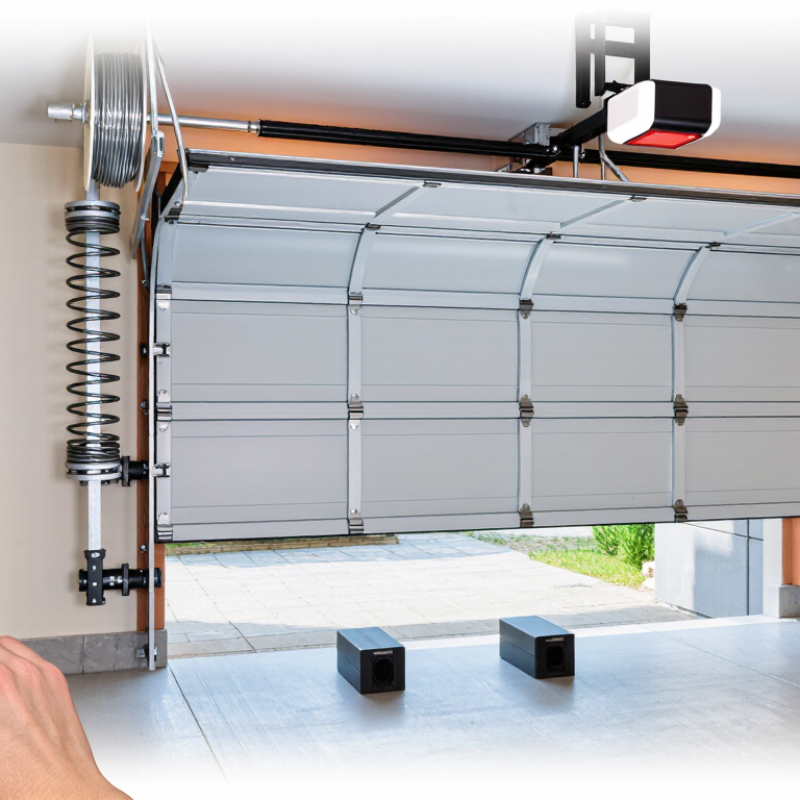
A garage door is more than a painted panel covering a vehicle bay. It is a coordinated system of sections, hinges, rollers, tracks, cables, springs, and an electric opener. When you press the wall button, the opener moves a trolley along a rail. That motion lifts the door while counterbalance springs reduce its effective weight. The photo-eye sensors then check the opening. If their invisible beam breaks, the door should reverse.

The International Door Association’s technical guidance, explained by industry specialist Mark McManus, emphasizes that “safe operation depends on every component working together.” That principle matters at home. A dry roller can squeak. A worn cable can fray beside its drum. A misaligned track may make the door shudder before it stops. Small clues are easy to ignore.

Market research also shows why this subject deserves careful attention. Grand View Research’s Garage Door Market Size, Share & Trends Analysis Report identifies residential replacement and smart-access demand as important growth areas. The Freedonia Group’s Garage Doors study similarly highlights renovation activity and improved insulation as major influences. These reports describe market direction, not a guarantee for every household. Figures can vary by region and reporting method.

This guide explains what a garage door does, how its parts share the load, and why maintenance affects safety, comfort, and energy use. The explanation is practical, but not perfect. Real doors differ. Older systems may behave unexpectedly. Never treat a strange noise as harmless.
What Is a Garage Door and How Does It Work?

Garage Door Basics: Panels, Tracks, Rollers, Springs, and Cables

What Is a Garage Door and How Does It Work?

A garage door is a moving barrier that protects vehicles, tools, and storage areas. Most sectional doors contain several hinged panels. These panels bend as the door travels upward. Steel tracks guide the movement on both sides of the opening. Small rollers sit inside the tracks and reduce friction. When the door is balanced correctly, it should move smoothly without scraping or shaking.

Springs carry much of the door’s weight. Extension springs stretch beside the tracks, while torsion springs twist above the door. Cables connect the spring system to the lower brackets. Together, these parts help lift the panels and control their descent. A motor can pull the door through an arm, but it does not replace proper spring balance. That detail is easy to overlook. A heavy, uneven door may indicate worn rollers, loose cables, or a failing spring. Never adjust springs or cables casually; stored tension can cause severe injuries. A qualified technician should inspect these components.

Tips:

Watch the rollers during operation. They should turn quietly and remain inside the tracks. Keep the tracks clear, but do not bend them back into place without proper tools. Test the door’s balance with professional guidance. If it drops quickly, stops halfway, or makes sharp popping sounds, stop using it. Record unusual sounds and movement before requesting service. Small observations often reveal larger mechanical problems.

How a Torsion-Spring System Lifts Doors for About 10,000 Cycles

What Is a Garage Door and How Does It Work?

A garage door is a balanced moving system, not just a heavy panel. Its torsion spring sits above the opening on a steel shaft. When the door closes, cables wind around drums and the spring stores energy. When the door opens, the spring releases that energy through the shaft, drums, cables, and rollers. This reduces the force required from the opener and helps the door move smoothly.

DASMA technical publications commonly reference 10,000 cycles as a standard torsion-spring rating. One cycle means one complete opening and closing. At one cycle per day, 10,000 cycles could approach 27 years. Real conditions are less tidy. Humidity, poor balance, rust, incorrect spring sizing, and frequent use can shorten service life. The figure is a rating, not a promise. During professional inspections, technicians often check cable alignment, spring gaps, drum wear, and door balance before judging spring condition. A door that drops quickly may signal trouble elsewhere.

Tips: Test balance with the door disconnected from its opener. It should remain near waist height without drifting. Do not adjust or remove a loaded spring yourself. Its stored energy can cause severe injury. Keep a simple usage record, especially for busy households. A small mistake in counting cycles can change maintenance decisions. Always verify cycle ratings against the manufacturer’s technical documentation and local service guidance.

How Garage Door Openers Use Motors, Gears, and Travel Limits

A garage door opener converts electrical power into controlled movement. Its motor spins a compact gear system, which transfers torque to a chain, belt, or screw drive. The lifting mechanism then moves the door along overhead tracks. According to the Door and Access Systems Manufacturers Association’s Technical Data Sheet 167, photoelectric safety sensors should sit no higher than 6 inches above the floor. They create an invisible safety line.

Travel limits tell the opener where movement must stop. One limit marks the fully closed position. The other marks the open position. During setup, the controller records motor rotation or shaft movement. It then compares each cycle with those stored points. If the door meets unusual resistance, the motor should reverse. UL 325 safety requirements also limit closing force to about 15 pounds in relevant testing conditions. Small details matter.

Gears can wear, and a loose chain can make the movement uneven. I have seen doors stop correctly in summer but fail during colder weather. Temperature changes, track friction, and spring balance all affect travel readings. That is why resetting limits without checking the door can be a poor repair. The CPSC’s injury surveillance reports continue to identify garage doors and openers as household injury hazards, especially when entrapment protection fails. Sensors need clean lenses and accurate alignment. A few millimeters can matter.

Door Types, Materials, Insulation, and R-Value Performance

A garage door combines moving panels, tracks, rollers, springs, and an opener. Its design affects daily comfort, security, and maintenance. Sectional doors use hinged horizontal panels that slide overhead. They suit many homes and usually seal well around the frame. Roll-up doors coil above the opening, making them useful where ceiling space is limited. Tilt-up doors lift as one solid panel and need clear space outside. Side-hinged doors open like double doors and can provide a traditional appearance.

Materials change the door’s weight, durability, and appearance. Galvanized steel resists dents and often needs little maintenance. Aluminum is lighter but may bend more easily. Wood offers natural texture, yet it needs regular sealing against moisture. Fiberglass or composite panels can imitate wood without the same upkeep. I would not choose by appearance alone. A heavy door may require stronger springs and more careful installation.

Insulation matters most when the garage shares a wall with living space. Polyurethane usually provides more effective insulation than basic polystyrene because it fills the panel more densely. R-value measures resistance to heat flow; higher values generally reduce temperature transfer. However, the number can mislead. Thin panels, metal framing, glass windows, and worn bottom seals create thermal bridges. A well-fitted R-12 door may perform better than a poorly sealed R-18 door. Check the stated testing method, panel thickness, and perimeter seals. Small air leaks can be felt near the floor on a cold morning. That detail is easy to overlook.

Safety Systems: UL 325 Reversal Rules and Six-Inch Photo Eyes

A garage door opener is more than a motor and a remote. UL 325 requires monitored entrapment protection for automatic residential operators. If the closing door meets an obstacle, the system must stop and reverse. This response should happen quickly, not after a heavy panel presses down.

Photo eyes provide a second layer. DASMA technical guidance places the sensors no higher than six inches above the finished floor. One sensor sends an invisible beam; the other receives it. A child’s foot, a bicycle tire, or a small box can interrupt that beam. The door should then reverse before contact. Keep both lenses aligned, clean, and firmly mounted. A weak flash or blinking indicator deserves attention.

CPSC injury-surveillance summaries have linked garage-door incidents with thousands of emergency-department visits each year. That figure is not comforting. In field inspections, many failures come from simple neglect: moved brackets, dusty lenses, or a sensor mounted too high after flooring changes. UL 325 also expects force-limiting protection, but force testing alone cannot replace photo eyes. Test the reversal function monthly with a solid object, following the opener’s instructions. Do not test with a person or body part. The six-inch rule sounds precise, yet real floors are rarely perfect. A sloped threshold, new mat, or settled bracket can quietly change the safety geometry.

What Is a Garage Door and How Does It Work?

Safety Systems: UL 325 Reversal Rules and Six-Inch Photo Eyes

Automatic garage door openers use entrapment-protection systems to reduce the risk of injury. Under UL 325 safety requirements, photoelectric safety sensors are installed no higher than 6 inches above the floor. If the invisible beam is interrupted while the door is closing, the opener must stop and reverse the door. The opener must also reverse when its closing force detects an obstruction.

Go to Top