Top Tips for Choosing Residential Garage Doors for Your Home?
Choosing the right residential garage doors can be a pivotal decision for your home. Expert James Miller, a veteran in garage door design, once stated, "The right garage door enhances your home's curb appeal while providing security." Understanding the balance of aesthetics and functionality is essential when making this choice.
There are numerous options available, and each type offers unique benefits. Consider the material, insulation, and style that align best with your home’s architecture. A high-quality door not only boosts visual appeal but also improves energy efficiency. However, many homeowners overlook these factors, often prioritizing price over quality.
Selecting residential garage doors should involve careful thought and research. Reflecting on your needs and lifestyle can lead to a more satisfying choice. Quality doors might seem like an upfront expense, but they pay off in durability and performance. Exploring your options deeply can uncover the perfect fit for your home.
Understanding the Different Types of Residential Garage Doors
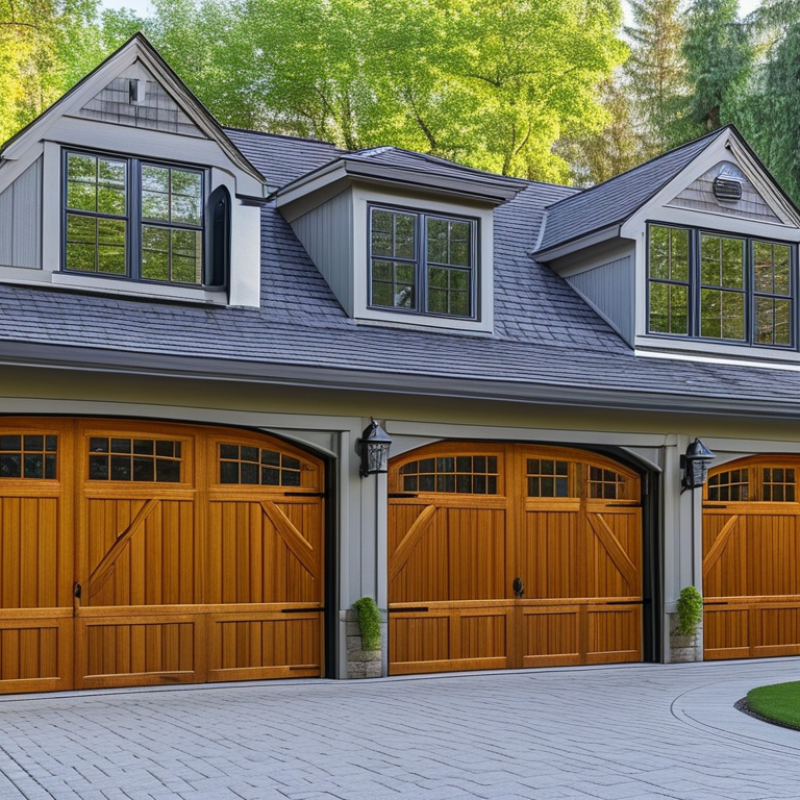
When choosing residential garage doors, it's crucial to understand the various types available. Garage doors come in diverse materials, such as steel, wood, and fiberglass, each offering different benefits. According to a report by the Door & Access Systems Manufacturers Association (DASMA), steel doors are the most popular, accounting for over 50% of residential sales. They are durable and require less maintenance compared to wood doors, which need regular treatment to prevent warping and decay.
Fiberglass doors are lightweight and resistant to dents, which can be an advantage if you live in areas with extreme weather. However, they may not provide the same level of insulation as other materials. A study by Remodeling Magazine revealed that adding insulated garage doors can recover about 94% of the investment when selling a home, highlighting their value in energy efficiency and increased home appeal.
Many homeowners overlook design aspects, which can impact curb appeal. Custom designs and colors are available, but sometimes, standard options can be just as effective. It's essential to strike a balance between aesthetic preferences and functional needs. While a stylish door can enhance your home’s exterior, remember that functionality should not be compromised. Choosing the right garage door involves careful consideration of both style and material.
Key Factors to Consider When Choosing Garage Door Materials
Choosing the right garage door materials is crucial for both functionality and aesthetics. Steel, aluminum, wood, and fiberglass are common options. Each material has its benefits and drawbacks. Steel doors are durable and low-maintenance. However, they can dent and show rust over time. Wood doors offer a classic look but require regular upkeep. Water and pests can weaken wood.
Consider your climate when selecting materials. In areas with harsh weather, insulated doors are wise. They can improve energy efficiency and keep your garage more comfortable. Fiberglass doors resist dents and won't rust, but they can fade in intense sunlight. Keep your home's overall style in mind as well. The right door should complement your house, enhancing curb appeal.
Many homeowners overlook the importance of door insulation. A well-insulated garage door minimizes heat loss. This can lead to lower energy bills. Reflect on the long-term costs of maintenance versus initial price. A cheaper door may cost more over time due to repairs. Aim for a balance between cost, durability, and aesthetic appeal. Each choice you make shapes the look and functionality of your home.
Top Tips for Choosing Residential Garage Doors for Your Home
| Material |
Durability |
Maintenance |
Insulation |
Cost |
| Steel |
High |
Low |
Good |
$$ |
| Wood |
Medium |
Medium |
Fair |
$$$ |
| Aluminum |
Medium |
Low |
Fair |
$$ |
| Fiberglass |
High |
Low |
Excellent |
$$$ |
| Vinyl |
High |
Very Low |
Good |
$$ |
Assessing Your Home's Style and Curb Appeal for Garage Door Selection
Selecting a garage door for your home involves more than just choosing a functional option. It’s essential to consider your home's style and curb appeal. The right door complements your architecture, enhancing visual attractiveness. According to the 2022 Remodeling Impact Report, replacing a garage door can yield a return on investment of over 90%. This statistic highlights the financial benefits of making a thoughtful choice.
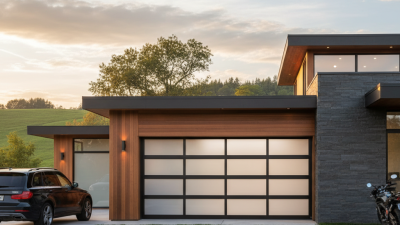
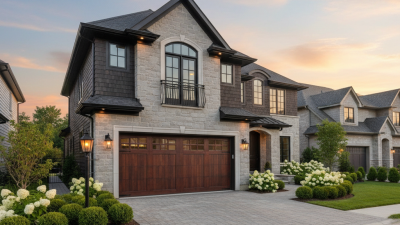
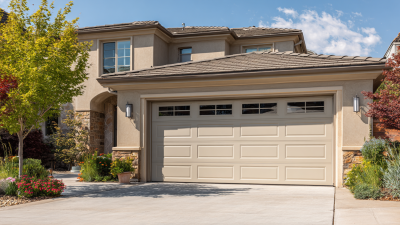
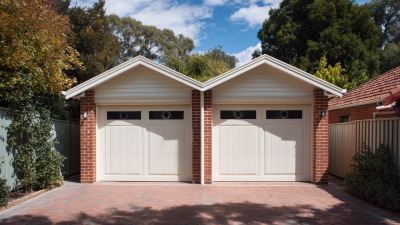
Assess the architectural style of your home. A traditional home typically pairs well with carriage-style doors, while modern designs may benefit from sleek, minimalist options. Colors and materials also matter; wooden doors provide warmth, while steel offers durability. The right color can accentuate or contrast with existing elements. Remember to factor in local climate influences, as some materials perform better than others under specific conditions.
Think about the overall curb appeal of your property. A disjointed garage door can detract from an otherwise beautiful home. It's common for homeowners to overlook this detail. Research shows that homes with cohesive designs are more attractive to buyers. Investing time in the selection process helps avoid regret later. A harmonious design enhances not only aesthetics but also market value.
Top Tips for Choosing Residential Garage Doors
This chart illustrates the key factors influencing homeowners when selecting garage doors, emphasizing style, functionality, security, and cost-effectiveness.
Evaluating Security Features in Residential Garage Doors
When selecting residential garage doors, security features should be a top priority. According to a report from the National Association of Home Builders, 44% of home intrusions occur through the garage. This highlights the importance of having a secure garage door. Look for doors made from heavy-duty materials that deter break-ins. Steel and reinforced wood options tend to provide better security than lightweight alternatives.
Consider choosing garage doors with advanced locking mechanisms. Reinforced locks and automatic closing systems add an extra layer of protection. According to the International Security Industry Organization, installing a secure garage door can reduce the likelihood of break-ins by up to 40%. Ensure the door has anti-lift pins, which prevent intruders from easily lifting the door off its tracks.
Another tip involves assessing the door’s compatibility with home security systems. Many homeowners are integrating smart technology into their security systems. Opting for a garage door that can sync with these systems offers another defensive barrier. However, this technology must be regularly updated to prevent vulnerabilities. Keeping a mixture of strong physical security and advanced tech offers a balanced approach to securing your garage.
Budgeting for Your New Garage Door and Installation Costs
When budgeting for a new garage door, it's crucial to consider several factors.
The door's material, style, and size significantly influence the total cost.
Steel and fiberglass options tend to be more affordable,
while wood styles can be pricier. Installing well-insulated doors
may also add to your expenses, but they can boost energy efficiency.
Don't forget to include installation costs in your budget. Professional installation adds labor fees.
Depending on your location, these charges vary. Some homeowners might choose DIY installation to save money,
but that comes with risks. If you’re not experienced, errors could lead to more expenses later.
Think about maintenance costs, too. Some doors require more upkeep than others.
Regular maintenance is essential for longevity. Investing in a quality door can help avoid frequent repairs.
Balancing upfront costs with long-term benefits will guide your choice.
This reflection ensures you make a smart investment for your home.