China Best 10x10 Garage Door Manufacturers?
Choosing a 10x10 garage door involves more than comparing prices or product photos. Buyers should check the stated opening size, panel construction, track layout, spring system, and available insulation. A door listed as 10 by 10 feet may still require different clearances or hardware for a particular garage. Measure carefully.
This guide looks at China-based manufacturers and suppliers that may serve residential and commercial projects. It focuses on practical comparison points: manufacturing experience, material options, customization, quality-control information, shipping support, and warranty terms. Ask for current specifications, installation drawings, and clear details about what the quoted price includes. Photos help, but they do not confirm performance. Request relevant test reports or certifications, then verify that they apply to the exact model and market. Details matter.
No shortlist is perfect. A company with attractive pricing may offer fewer configuration choices, while a well-equipped factory may not suit a small order. Lead times, communication, packaging, and after-sales support can also shape the buying experience. These can change. Treat rankings as a starting point, not a guarantee, and confirm current product availability directly with each manufacturer. The right 10x10 garage door depends on the opening, local conditions, intended use, and installation plan. A careful comparison can reduce surprises, though it cannot replace an accurate site survey.
10×10-Foot Garage Doors: A 100-Sq-Ft Opening and Common Configurations
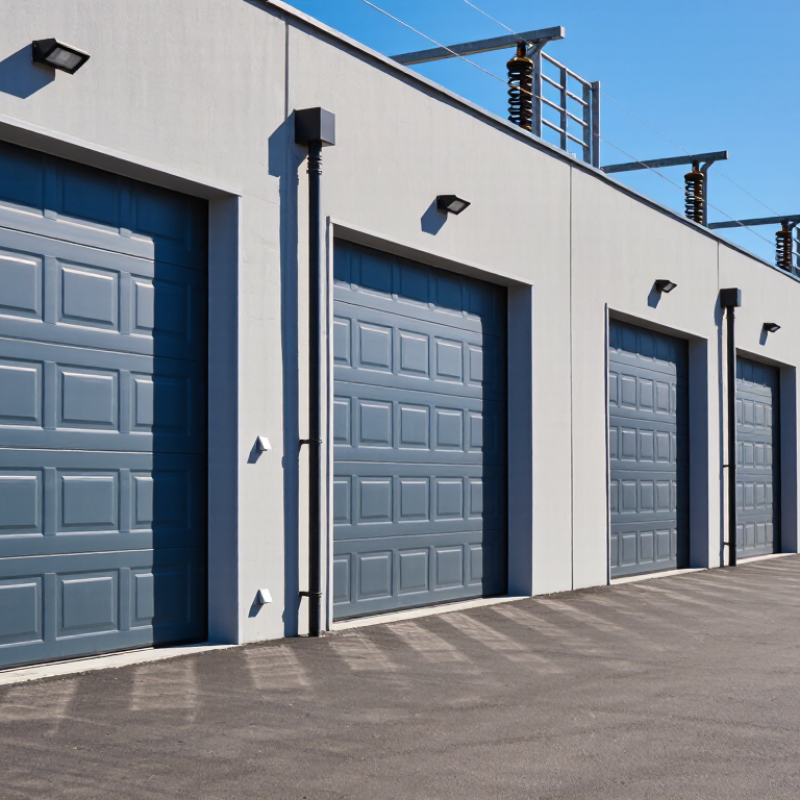
A 10×10-foot garage door covers a nominal opening of 100 square feet. The area is easy to calculate; the fit takes more care. Measure the finished opening in several places. Uneven masonry, framing, or a sloped floor can change the clear dimensions. Jamb space and overhead clearance matter too.
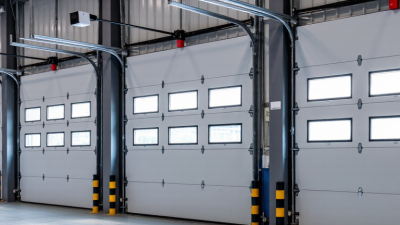
Common configurations include sectional overhead, one-piece tilt-up, and rolling doors. Sectional doors use hinged panels that travel along ceiling-mounted tracks. They need enough headroom for tracks and lifting hardware. Tilt-up doors swing outward before moving overhead, so the driveway needs clear space. Rolling designs coil above the opening and may suit sites with limited ceiling room.
A 100-square-foot opening does not automatically mean the ordered door should measure exactly 10 by 10 feet. Confirm the manufacturer’s required installation dimensions before ordering. Insulated panels can help limit heat transfer, but their weight and thickness may affect hardware and clearance. That trade-off is easy to miss. Check wind exposure, daily use, and available headroom with a qualified installer, then verify the measurements once more. Small errors can leave gaps or complicate installation.
Performance Benchmarks: 10,000–25,000-Cycle Springs and Insulation R-Values
For a 10x10 garage door, spring cycle ratings and insulation R-values reveal more than a product’s appearance. A 10,000-cycle spring completes 10,000 full open-and-close cycles; a 25,000-cycle rating promises greater rated endurance. At four cycles per day, those figures represent roughly seven and seventeen years under ideal conditions. Real service life can be shorter. Door balance, installation quality, corrosion, and temperature all matter. I would treat the rating as a useful benchmark, not a promise.
R-value indicates resistance to heat flow, but compare figures carefully. Ask whether the number applies to the door panel or the complete assembled door. Seals around the frame, joints between sections, and glazing can affect comfort in a 10x10 garage. A higher number may help, yet it cannot compensate for visible air gaps or poor installation. Small details matter.
Tips: Ask for spring cycle ratings and the testing basis for insulation figures. Check that springs are sized for the door’s actual weight. Inspect the perimeter seal, especially near the bottom corners. Specs help, but a cold draft at the threshold is hard to ignore.
China Best 10x10 Garage Door Manufacturers? Performance Benchmarks
Reference points for spring cycle life and door insulation R-value. These are general benchmark examples, not verified specifications for any manufacturer or a claim that the two metrics are paired in a specific product.
Spring cycle ratings commonly span 10,000–25,000 cycles; insulated-door R-values vary by construction and measurement method. Confirm ratings, test conditions, and the complete door assembly with the manufacturer before comparing products.
Compliance Checks: EN 13241, ASTM E330, Wind Loads, and Safety Testing
For a 10x10 garage door, compliance should be checked against the exact assembly, not a brochure headline. EN 13241 sets product requirements for doors, while EN 12424 classifies wind resistance and EN 12444 describes testing. In North America, ASTM E330/E330M evaluates structural performance under uniform static air-pressure differences. Ask whether the tested sample matches the offered panel thickness, tracks, reinforcement, and anchorage. Small details matter. A strong panel can still fail when track anchors pull out.
The risk is not theoretical. NOAA’s 2023 U.S. Billion-Dollar Weather and Climate Disasters report recorded 28 events, causing approximately $92.9 billion in losses. That figure is not door-specific, but it shows why local design wind pressure matters. Request complete laboratory reports, including specimen size, pressure levels, deflection, and failure criteria. Confirm that the reported wind rating applies to the installed configuration and local exposure. Check entrapment protection, force limitation, and emergency release against applicable safety requirements, such as EN 12604 and EN 12453. Paperwork helps, but it cannot replace a careful installation review.
How to Compare Suppliers by Certifications, MOQ, Warranty, and Export Record
Choosing a China-based manufacturer for a 10x10 garage door means checking evidence, not just a polished catalogue. Ask for current certificates, their issuing body, product scope, and expiry date. A certificate for hardware may not cover the complete door assembly. Confirm whether the tested model matches your panel thickness, track system, and wind-load option. Keep copies with the quotation. Paperwork matters. If your market has specific building or safety requirements, verify them with the relevant local authority or a qualified inspector. Supplier assurances alone are not enough.
Compare each MOQ with your actual order mix. One factory may offer a low minimum for a standard color, then require a full container for custom panels or window layouts. Request separate quantities and prices for standard and customized configurations. Ask what the warranty covers: finish fading, spring cycles, hardware defects, labor, and replacement freight may be treated differently. Get exclusions and claim steps in writing, with a response-time target. No warranty is useful if the process is vague. For export records, request redacted shipping documents or references for similar destinations, plus details on packaging, lead times, and damage claims. Check whether crate dimensions and labeled parts fit your receiving setup. Years in business alone can be a poor measure; shipment consistency and clear corrective-action records often reveal more. Comparisons still feel imperfect when factories define “successful delivery” differently.