
10 Tips to Choose the Right 10x10 Garage Door?

Choosing a 10x10 garage door involves more than matching a catalog photograph. The correct choice must suit the opening, vehicle clearance, climate, and daily use. A tape measure should confirm width, height, headroom, side room, and backroom space. Even a small error can affect track alignment and smooth operation. A qualified garage door professional can verify these measurements before ordering.

Material, insulation, spring systems, and opener compatibility also deserve careful attention. Steel doors often provide practical strength, while insulated panels can reduce heat transfer in attached garages. In coastal or wet areas, corrosion-resistant finishes may matter more than decorative details. Check the manufacturer’s wind ratings, safety features, warranty terms, and installation requirements. These details are less exciting. They can prevent expensive surprises later.

A door may look perfect online but feel disappointing after installation. I have seen homeowners focus on color while overlooking panel weight and maintenance needs. That choice can create noise, difficult repairs, or poor energy performance. Personal taste still matters, but it should work with the home’s structure and routine. The following ten tips examine these decisions clearly, from accurate sizing and reliable hardware to security, appearance, and long-term value. No single 10x10 garage door suits every property. Careful comparison does.
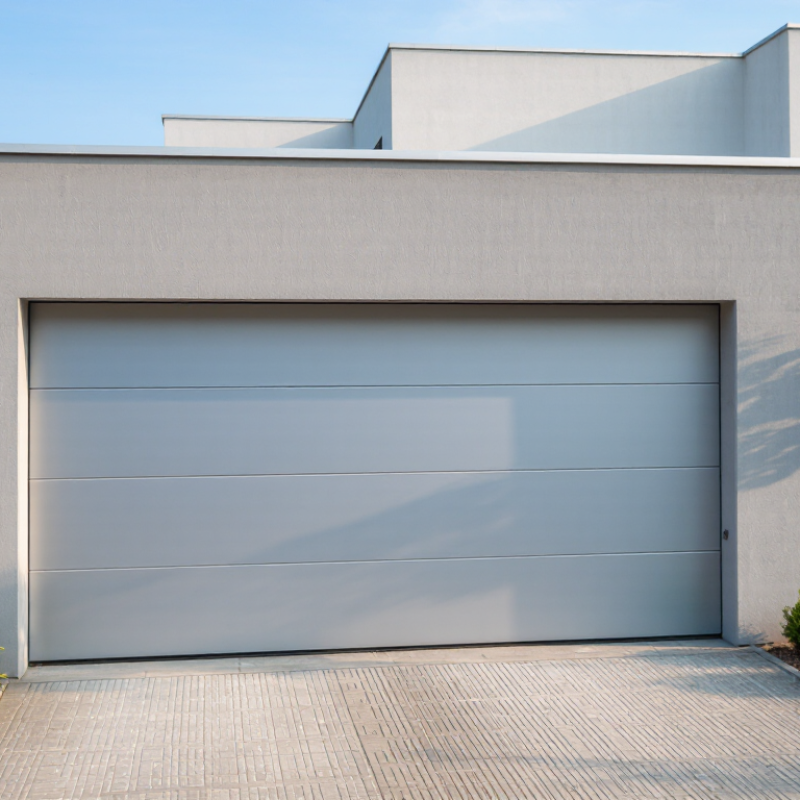
10 Tips to Choose the Right 10x10 Garage Door?

Understanding 10x10 Garage Door Dimensions and Space Requirements

A 10x10 garage door usually means a 10-foot-wide by 10-foot-high opening. Do not treat those numbers as the door’s exact finished size. Manufacturers often list nominal dimensions, while framing, tracks, and seals reduce the clear passage. Measure the opening at several points. Record the width, height, and diagonal differences. Uneven measurements may reveal settling or poor framing. That small detail matters.

Space above and behind the opening is equally important. Many track systems need about 12 inches of headroom, but some designs require more. An automatic opener may add another 3 to 6 inches near the ceiling. Keep enough backroom for the door sections when fully open. A 10-foot-deep garage can become crowded quickly. Check lighting, beams, storage racks, and sprinkler pipes before ordering.

Think about the vehicle, too. A tall van may fit through the opening but still feel awkward inside. Allow walking space beside mirrors and room for doors to swing. A slightly wider layout can improve daily use, even when the listed size looks sufficient. It is tempting to measure only once. That is where mistakes begin. Confirm the final dimensions with a qualified installer, and compare them with local construction requirements. Clearance assumptions can be wrong.

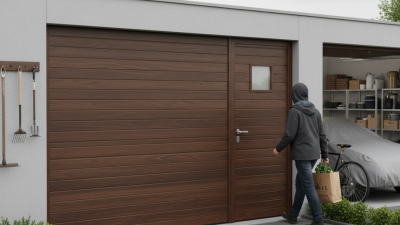
Comparing Garage Door Materials, Styles, and Insulation Options

Tip 1: Measure the opening, not just the garage. A 10x10 door still needs headroom, side clearance, and a suitable frame.

Tip 2: Choose steel when durability and low maintenance matter. It handles daily use well, but thin panels can dent.

Tip 3: Consider wood for warmth and character. Wood looks excellent, though it needs sealing and regular inspection.

Tip 4: Use aluminum or fiberglass when you want lighter operation. These materials resist moisture, but some panels can feel less solid.

Tip 5: Match the style to your home. Raised-panel doors suit traditional houses, while flush or full-view designs create cleaner lines.

Tip 6: Check the hardware, not only the surface. Strong rollers, hinges, and tracks affect noise and service life.

Tip 7: Compare insulation by R-value and construction. Polystyrene offers practical performance, while injected foam usually provides better sealing and rigidity.

Tip 8: Think about your climate. Insulation can reduce heat transfer on a hot driveway or a cold morning. I would not chase the highest R-value automatically. Cost, weight, and actual use matter too.

Tip 9: Test the door’s balance after installation. It should move smoothly without forcing the opener.

Tip 10: Ask an experienced installer to inspect the frame and weather seals. Small gaps around a 10x10 door can admit wind, dust, and rain. A perfect choice does not exist. Your daily conditions should decide the compromise.

Selecting the Right Door Type, Track System, and Opening Mechanism

10 Tips to Choose the Right 10x10 Garage Door?

A 10x10 opening needs accurate planning, not just a matching panel. Tip 1: Measure the finished width, height, side room, and ceiling clearance. Tip 2: Choose a sectional door when you need smooth operation and strong insulation. A rolling door can save ceiling space, but its slats need suitable side guides. Tip 3: Consider local weather. Insulated steel or composite panels perform better in hot and cold conditions. The U.S. Department of Energy recommends reducing unwanted heat transfer through doors and other building openings.

Tip 4: Select the track system after checking headroom. Standard-lift tracks suit many garages. High-lift tracks can improve storage space, but they need careful spring and opener coordination. Vertical-lift systems require more ceiling height. Tip 5: Ask for a correctly balanced spring system. It should lift smoothly by hand without sudden movement. Tip 6: Match the opening mechanism to daily use. Belt-driven openers are quieter, while chain-driven systems often tolerate demanding conditions. Screw-driven units can work well, but temperature changes may affect their performance. Tip 7: Confirm automatic reversal and photoelectric protection. DASMA safety guidance and UL 325 requirements emphasize entrapment protection.

Tip 8: Check the door’s wind-load rating for your location. Tip 9: Avoid selecting panels by appearance alone. Zonda’s 2024 Cost vs. Value Report places garage-door replacement among the strongest home improvement returns, but poor installation can erase that advantage. Tip 10: Request written cycle ratings, maintenance details, and warranty terms. I would not pretend every “10x10” door fits every garage. Measure twice. Leave spring adjustment to trained technicians.

10 Tips to Choose the Right 10x10 Garage Door? — Selecting the Right Door Type, Track System, and Opening Mechanism

Practical comparison guide for a 10 ft × 10 ft garage door opening
Tip Decision Dimension Recommended Choice or Standard Key Measurements and Technical Facts Why It Matters Important Checks Before Ordering
1 Confirm the opening size A 10 ft × 10 ft door is approximately 120 in × 120 in, or 3048 mm × 3048 mm. The stated door size normally refers to the nominal opening the door is designed to cover, not the exterior wall dimensions. Measure the opening width and height at several points. Record the smallest dimensions and check whether the opening is square.
2 Select the door type Sectional doors travel vertically, then horizontally along tracks. Roll-up doors coil above the opening, while side-hinged doors swing outward. Sectional doors generally provide a practical balance of weather sealing, space efficiency, insulation options, and compatibility with automatic openers. Consider ceiling height, available wall space, vehicle clearance, local weather, and the door’s intended duty cycle.
3 Choose the material Steel doors are commonly available with single- or double-layer construction. Insulated models add a foam core between interior and exterior skins. Material affects weight, impact resistance, maintenance, appearance, and the opener’s required lifting capacity. For coastal or humid locations, verify corrosion-resistant finishes, hardware, fasteners, and bottom seals.
4 Evaluate insulation Insulation performance is commonly expressed by R-value. A higher R-value generally indicates greater resistance to heat flow, although installation quality also matters. Insulation can improve temperature stability, reduce outside noise, and limit heat transfer through the large garage opening. Compare the complete door assembly, including sections, windows, perimeter seals, and the bottom seal—not only the panel core.
5 Choose the track system Standard-lift systems typically require clear headroom above the opening for the horizontal tracks and spring assembly. Low-headroom or vertical-lift systems are used when the layout is restricted. The track arrangement determines how the door moves and whether it can operate without interfering with roof framing, storage, or vehicles. Measure headroom, sideroom, and backroom. Check for beams, ducts, lights, shelving, and other obstructions before selecting the track configuration.
6 Match the spring system Torsion springs balance the door’s weight by storing mechanical energy on a shaft. Extension springs are positioned along the horizontal tracks and require suitable safety containment. A balanced spring system reduces the force required from the opener and helps the door move smoothly. Spring sizing must be based on actual door weight, height, track configuration, and expected usage. Spring replacement should be performed by a trained professional.
7 Select the opening mechanism Common opener types include chain-drive, belt-drive, and wall-mounted jackshaft designs. The opener must be rated for the door’s size and weight. The mechanism affects noise, installation space, maintenance, and compatibility with the track and spring layout. Verify door balance manually before installation. An opener is designed to guide a balanced door, not to compensate for a damaged or improperly adjusted spring system.
8 Check safety equipment Photoelectric sensors are positioned near the floor on opposite sides of the opening. The opener should reverse when an obstruction is detected during closing. These features help reduce the risk of the door closing on people, pets, vehicles, or stored objects. Test the sensors and reversal function regularly. Keep sensor lenses aligned and free of dust, snow, or other obstructions.
9 Review wind and weather requirements Wind-load requirements vary by location, building geometry, exposure category, and local code. A larger door area can experience substantial wind pressure. Appropriate reinforcement, tracks, brackets, and fasteners help the installed assembly resist local environmental forces. Check the applicable building code and permit requirements. Do not assume a standard residential door has the same wind rating in every region.
10 Plan maintenance and clearance Inspect rollers, hinges, cables, springs, tracks, seals, fasteners, and safety devices periodically. Lubricate only components specified by the installation instructions. Regular inspection can identify wear, unusual noise, binding, or imbalance before the problem becomes more serious. Do not remove, loosen, or adjust springs and lift cables without professional training. Replace damaged parts with components rated for the specific door system.

Note: Exact headroom, sideroom, backroom, reinforcement, spring sizing, wind rating, and opener requirements depend on the selected door construction and local installation conditions. Always verify the manufacturer’s installation instructions and applicable building codes.

Checking Safety Features, Hardware Quality, and Installation Needs

10 Tips to Choose the Right 10x10 Garage Door

A 10x10 garage door needs safety hardware sized for its weight and travel. Check for photoelectric sensors, automatic reverse, manual release, and pinch-resistant panel design. The U.S. Consumer Product Safety Commission’s 2023 NEISS data records thousands of emergency-department visits involving garage doors and openers each year. That figure should make sensor testing routine, not optional. Place a small box beneath the closing door. It should reverse immediately when contact occurs.

Inspect the hardware closely. Look for corrosion-resistant tracks, firmly mounted hinges, durable rollers, and properly rated lift cables. Torsion springs should match the door’s weight, not merely its dimensions. DASMA technical guidance emphasizes correct spring sizing, balanced operation, and secure attachment points. A door that feels unusually heavy may have a failing spring. Do not adjust it casually. The danger is easy to underestimate.

Installation conditions also matter. Measure headroom, sideroom, backroom, and ceiling framing before ordering. A 10x10 opening may lack enough space for standard tracks or an overhead opener. Confirm that the header can support the mounting hardware. Check wind-load requirements for your region, especially on exposed properties. Professional installation is sensible when structural changes are needed. I have seen homeowners measure the opening correctly but overlook the ceiling obstruction. That small mistake can create expensive rework. Ask the installer to demonstrate balance, emergency release, sensor alignment, and a complete closing cycle before payment.

Estimating Costs, Maintenance Demands, and Long-Term Performance

For a 10x10 garage door, cost begins with more than the panel price. In the United States, a practical installed estimate is often $1,200–$3,500, depending on insulation, windows, tracks, and labor access. The 2024 Cost vs. Value Report recorded a 194.9% cost recovery for a standard garage-door replacement, but that figure is a national benchmark, not a promise for every 10x10 opening. Ask for a written estimate. It should separate materials, removal, electrical work, disposal, and permits.

Maintenance affects the real price. The Consumer Product Safety Commission recommends testing automatic reverse systems monthly. Inspect cables, rollers, hinges, and weather seals twice yearly. Do not adjust springs yourself; stored tension can cause severe injuries. A light annual lubricant application may reduce noise, but excessive lubricant collects dust. Small failures become expensive.

Performance deserves close attention. A steel door with polyurethane insulation usually provides better rigidity and thermal resistance than an uninsulated hollow panel. Yet insulation alone cannot stop drafts around damaged seals. The U.S. Department of Energy identifies air leakage as a major source of building energy loss, so check the perimeter carefully. Torsion springs are commonly rated around 10,000 cycles, though usage can shorten that life. If the door opens four times daily, replacement may arrive sooner than expected. I would not trust a low quote without examining track alignment and spring specifications. Cheap today can be noisy tomorrow.

Go to Top