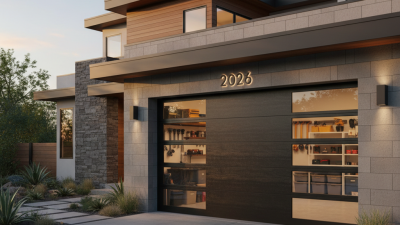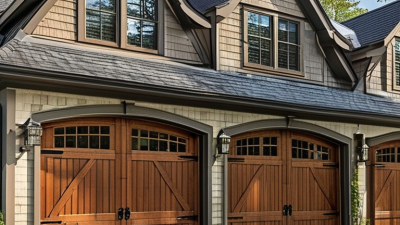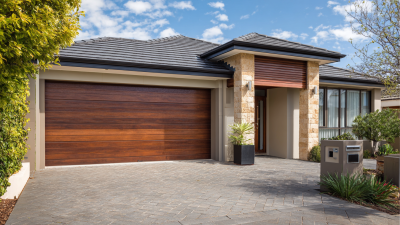
Choosing the right roll up garage doors in 2026 requires more than comparing prices or polished product photos. Global buyers face different climates, building codes, shipping conditions, and installation standards. A door that performs well in a dry warehouse may struggle beside a humid coastline. Steel thickness, curtain design, insulation, spring quality, motor performance, safety sensors, and spare-parts availability all deserve close attention.
Tom Wadsworth, a recognized garage door industry trainer and consultant, offers a practical reminder: “The best door is the one that matches the building, the climate, and the way people use it.” That principle guides this overview. We examine leading options for residential garages, commercial facilities, workshops, and industrial entrances. Each choice is considered through measurable details, including wind resistance, thermal performance, opening cycles, noise levels, corrosion protection, and maintenance access.
Small details matter. A sealed bottom edge can reduce drafts. A strong guide rail can improve daily operation. Local technicians may matter more than an impressive warranty. Buyers should also confirm voltage requirements, customs documentation, replacement-part support, and installation training before placing large orders.
No ranking is perfect. Product performance changes with installation quality and site conditions. Some buyers may prefer insulated curtains, while others value compact storage and lower costs. This guide therefore balances expert knowledge, practical experience, and transparent limitations. The goal is not to promote one universal winner. It is to help global buyers choose roll up garage doors that remain secure, efficient, serviceable, and suitable for real-world use.
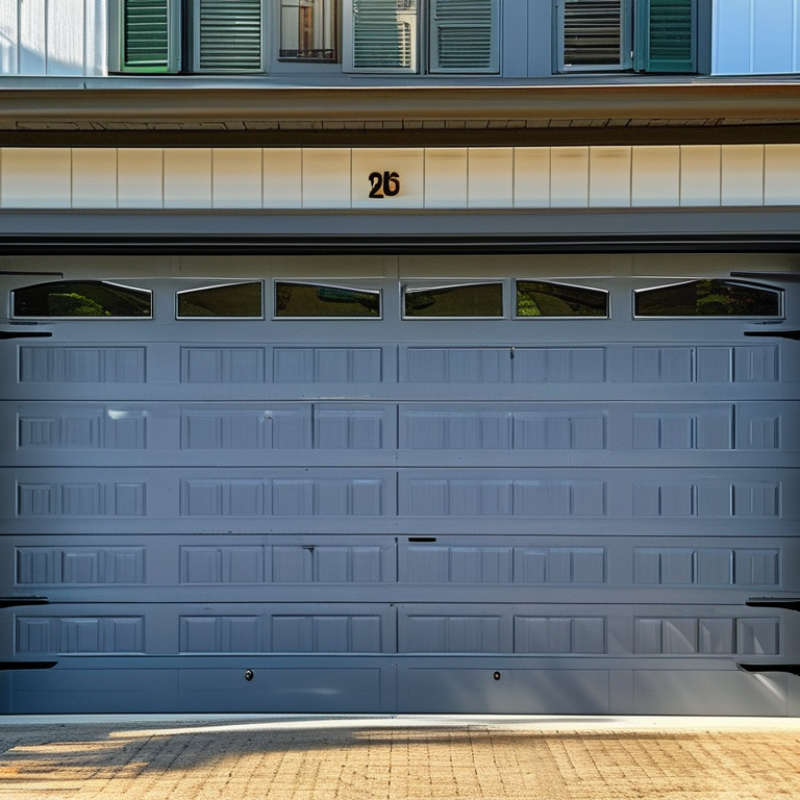
Roll up garage doors use a flexible curtain made from connected steel or aluminum slats. The curtain rises vertically and coils around a barrel above the opening. Side guides keep each slat aligned during movement. A motor turns the barrel through a control system. Manual models use a spring and chain instead. The door needs surprisingly little floor space. Not magic, just controlled balance.
For global buyers, material choice should match the building’s climate and daily use. Galvanized steel offers strength for busy garages and industrial areas. Aluminum reduces weight and can resist corrosion near coastal locations. Insulated slats help control heat and outside noise. Measure the opening, headroom, side clearance, and floor level carefully before ordering. I have seen small measurement errors cause costly installation delays. That mistake is easy to underestimate.
Reliable doors should include a bottom safety edge, emergency release, and obstruction detection. The motor must match the curtain’s weight and expected opening cycles. Ask for test records, maintenance instructions, and clearly stated spare-part specifications. Check whether local technicians can service the control system. In cold regions, ice can restrict the guides and overload the motor. In dusty warehouses, particles can collect inside moving sections. Regular cleaning and guide inspection reduce avoidable wear, although maintenance schedules are never perfect. A qualified installer should verify the final alignment before regular operation.
Roll-up garage doors open vertically by winding flexible slats or curtain sections around a barrel above the opening. The chart shows representative opening dimensions commonly used for residential, commercial, and industrial applications. Actual sizes vary by building design, clearance, wind-load requirements, and local construction standards.
The best roll up garage doors now combine security, thermal control, and predictable daily operation. Grand View Research estimates the global garage door market could grow at about 5.5% annually from 2024 to 2030. That growth reflects stronger demand for compact, durable entrances in homes and commercial facilities.
Look for galvanized steel or corrosion-resistant aluminum curtains. Steel offers stronger impact resistance, while aluminum reduces weight and operating noise. Insulated slats can limit heat transfer through the garage opening. This matters in cold storage areas and attached homes. However, insulation ratings vary widely. Buyers should request measured U-values, not vague claims.
Safety features deserve close inspection. A reliable door should include obstruction detection, emergency release access, and controlled closing speed. Independent testing against applicable regional standards adds credibility. The European Commission’s construction product guidance emphasizes declared performance and traceable technical documentation. Ask for wind-load calculations, cycle-life testing, and maintenance instructions.
A practical door should survive repeated use without excessive vibration. Some suppliers report 10,000 to 20,000 operating cycles, but field conditions can reduce that figure. Dust, salt air, and poor alignment matter. I would also check service access before ordering. A clever design is less useful when replacement parts take months to arrive. Global buyers should compare spare-part availability, warranty terms, and installer training, not only the purchase price.
Global buyers should match roll-up doors to climate, traffic, security, and local building practice. Fortune Business Insights estimates the global garage door market at about USD 3.4 billion in 2023. It projects steady growth through 2032. That growth does not make every door suitable everywhere.
Cold markets need insulated rolling steel doors with tight perimeter seals. These reduce heat loss around heated garages and warehouse loading areas. Buyers should compare U-values, wind-load ratings, and tested operating cycles. In coastal regions, aluminum or galvanized steel with corrosion-resistant finishes performs better. Stainless fixings matter near saltwater. Small details become expensive failures.
High-traffic logistics sites often need high-speed fabric roll-up doors. Their rapid opening reduces drafts, dust, and vehicle waiting time. Retail streets may prefer perforated security shutters, which preserve visibility after closing. Fire-rated rolling doors suit industrial zones with strict compartmentation requirements. However, certification must match the destination country. European projects may reference EN 13241, while other markets use different testing systems.
Research and Markets reports continued demand for automated commercial doors as warehouses expand. Still, automation is not always the best answer. Remote sites may need manual override, simple controls, and easily available spare parts. The uncomfortable lesson is clear: the cheapest quotation can become the costliest installation. A careful buyer should request wind testing, cycle data, corrosion evidence, and local service capability before ordering.
For global buyers, a top roll-up garage door must meet local standards before it impresses with appearance. EN 13241 supports performance requirements for doors used in Europe. North American projects often reference UL 325 and ASTM F2200 for operator safety. Requirements still differ by country. A certificate alone may not cover the complete installation.
Material selection should match the site, not only the budget. Galvanized steel offers strength for warehouses and exposed parking areas. Aluminum reduces weight but may dent more easily. Coastal buyers should request corrosion testing and stainless hardware. Wind-load calculations matter in storm-prone regions. The International Energy Agency reports that buildings consume about 30% of global final energy, so insulated slats can reduce heat transfer. The result depends on seals and installation quality.
Safety needs physical evidence. Test the photoelectric sensors, emergency release, obstruction reversal, and manual operation during commissioning. Small gaps matter. Smart controls can provide opening alerts, access logs, and remote diagnostics. A 2024 global smart-home market report by Fortune Business Insights projects strong long-term growth, but connectivity is not equal to security. Buyers should check encrypted communication, user permissions, software updates, and offline operation. I have seen projects prioritize mobile control while ignoring poor drainage and uneven floors. That is an expensive mistake. Standards evolve, and product documentation should be reviewed again before shipment.
| Rank | Door Configuration | Recommended Use | Typical Materials | Typical Size Range | Thermal Performance | Wind-Load Considerations | Safety Features | Smart Technology | Relevant International Requirements |
|---|---|---|---|---|---|---|---|---|---|
| 1 | Insulated sectional roll-up door with overhead tracks | Detached homes, attached garages, and cold or hot climates | Double-skin galvanized steel panels with polyurethane or polystyrene insulation; EPDM perimeter seals; galvanized hardware |
Width: approximately 2.4–6.1 m Height: approximately 2.1–3.0 m |
Typical panel thickness: 40–60 mm Approximate door-panel U-value: 0.4–0.8 W/m²·K, depending on construction |
Wind rating must be calculated for the building location and opening size. Reinforcement is commonly required in coastal and hurricane-prone areas. | Photoelectric sensors Auto-reverse Manual emergency release Finger protection | Wi-Fi or wired control, position monitoring, timed closing, event notifications, and optional battery backup | EN 13241; EN 12453; EN 12604; EN 12605; applicable local electrical and building codes; UL 325 where required in North America |
| 2 | Compact aluminum or steel rolling shutter with roll-up curtain | Space-limited garages, urban homes, and retrofit projects | Interlocking aluminum or galvanized steel slats; powder-coated finish; compact headbox; side guides with brush or rubber seals |
Width: approximately 2.0–4.5 m Height: approximately 2.0–3.0 m |
Typical slat thickness: 0.8–1.5 mm for uninsulated designs; insulated slat options may use foam-filled profiles | The curtain, guides, and fixing points must be selected for the project-specific wind pressure; larger openings generally require heavier guides and reinforcement. | Obstacle detection Safety edge Anti-drop device Manual override | Remote opening, smartphone status alerts, access-code management, and integration with selected home-automation systems | EN 13241; EN 12453; EN 12604; EN 12605; EN 60335-2-95 for applicable residential operators; local fire and electrical requirements |
| 3 | High-cycle insulated rolling door with tubular or side-mounted motor | Multi-unit residential buildings, parking facilities, and frequent daily use | Steel or aluminum curtain with reinforced end locks; insulated slats where required; corrosion-protected guides and shaft components |
Width: approximately 2.5–6.0 m Height: approximately 2.2–4.0 m |
Typically lower thermal performance than a sectional door; insulated profiles can improve air leakage and surface temperature control | Select guides, end plates, and curtain reinforcement using the local wind-speed and pressure requirements; high-cycle use does not replace wind certification. | Safety edge Light curtain option Overload protection Emergency crank | Cycle counting, maintenance reminders, fault codes, remote diagnostics, and building-management-system connection through compatible controls | EN 13241; EN 12453; EN 12604; EN 12605; IEC 60204-1 for relevant machinery controls; UL 325 where applicable |
| 4 | Perforated or vision-panel rolling door | Shared garages, underground parking, ventilation-sensitive areas, and visibility requirements | Perforated galvanized steel, aluminum grille, or transparent vision sections; reinforced bottom rail; galvanized or stainless-steel fasteners |
Width: approximately 2.4–6.0 m Height: approximately 2.1–3.5 m |
Usually limited thermal insulation because of perforations or glazing; optional insulated perimeter seals can reduce uncontrolled air leakage | Open-area percentage affects pressure and structural behavior. The complete assembly should be tested or engineered for the intended wind zone. | Photoelectric sensors Safety edge Anti-lift protection Emergency stop | Keypad or card access, remote status, occupancy signaling, and optional integration with parking or access-control software | EN 13241; EN 12453; EN 12604; EN 12605; EN 12978 for protective devices where applicable; local fire and emergency-egress rules |
| 5 | Corrosion-resistant rolling door for coastal or humid environments | Coastal homes, high-humidity regions, and garages exposed to salt or chemicals | Powder-coated aluminum or galvanized steel; stainless-steel or protected hardware; corrosion-resistant seals and drainage details |
Width: approximately 2.0–5.5 m Height: approximately 2.0–3.5 m |
Insulation depends on the selected slat profile; airtight seals and a thermally improved bottom section can enhance performance | Coastal exposure requires both wind-load design and corrosion protection. Fixings, guides, and anchors should be compatible with the exposure category. | Obstacle sensing Manual release Anti-drop brake Protected control box | Remote operation, door-position feedback, low-battery warnings, and service notifications through a compatible connected controller | EN 13241; EN 12453; EN 12604; EN 12605; ISO 12944 for corrosion-protection specification where applicable; local electrical requirements |
| 6 | Fire-rated or smoke-controlled rolling closure | Commercial garages, mixed-use buildings, and openings requiring fire separation | Fire-resistant steel curtain or tested composite assembly; heat-resistant guides, bottom bar, fusible or controlled release components | Size is limited by the tested assembly and certification; project-specific engineering is required | Thermal insulation is secondary to fire-resistance performance; do not substitute a standard insulated garage door for a certified fire closure | Structural support, deflection limits, and wind exposure must be assessed together with the fire-rated wall and opening details. | Fire-release mechanism Smoke seals Emergency override Supervised controls | Alarm-system interface, position monitoring, fault reporting, controlled closing, and backup power where required by the project | EN 13241 where applicable; EN 1634-1 for fire-resistance testing; EN 13501-2 for classification; UL 10B or UL 10C where applicable; local fire and life-safety codes |
When comparing roll up garage doors in 2026, global buyers should start with the opening, not the catalog price. Measure width, height, side room, headroom, and floor level twice. Small errors can create costly installation changes. I have found that a clear opening sketch helps suppliers quote more accurately. Ask for curtain material, slat thickness, insulation details, wind-load data, cycle rating, and motor specifications. Do not assume similar-looking doors perform equally.
Price comparison needs a wider view. Request a written quotation with packaging, freight, duties, taxes, controls, spare parts, and installation listed separately. A low factory price may become expensive after ocean transport and local labor. Compare warranty terms, testing records, manuals, production lead time, and response time for technical questions. Reliable suppliers should explain voltage options and provide drawings before payment. Their answers should be specific. Vague promises are a warning sign.
Installation conditions vary sharply between regions. Check whether trained installers are available near the project site. Confirm access for delivery equipment and space for the rolling curtain above the opening. In coastal areas, corrosion protection deserves closer attention. In windy locations, verified resistance data matters more than decorative finishes. My earlier comparisons focused too heavily on appearance. That was a mistake. A practical door with accessible replacement parts may serve better than a cheaper model with uncertain support. Measure twice. Question every allowance.