
Top Insulated Garage Doors for Energy Efficiency?

An attached garage can influence comfort inside the home, especially when it shares a wall with living spaces. In the U.S. Energy Information Administration’s 2020 Residential Energy Consumption Survey, space heating accounted for about 42% of residential energy use. That figure does not mean a garage door alone drives energy bills. It does show why limiting unwanted heat loss deserves attention.

The best insulated garage doors balance insulation, airtightness, durability, and fit. A published R-value helps compare resistance to heat flow, but it cannot tell the whole story. A poorly sealed door may let drafts slip past its bottom edge, even when its panels are well insulated. Small gaps count. This guide compares door types and features, including insulation materials, panel construction, weather seals, and practical installation considerations. It also explains where manufacturer specifications can be useful—and where they may leave questions unanswered. A higher rating is not automatically the best choice for every home. Climate, garage use, and the condition of the opening all matter. Some details are easy to overlook, and insulation is not a cure-all. The goal is to identify insulated garage doors that make sense for your space, not simply chase the largest number on a product label.
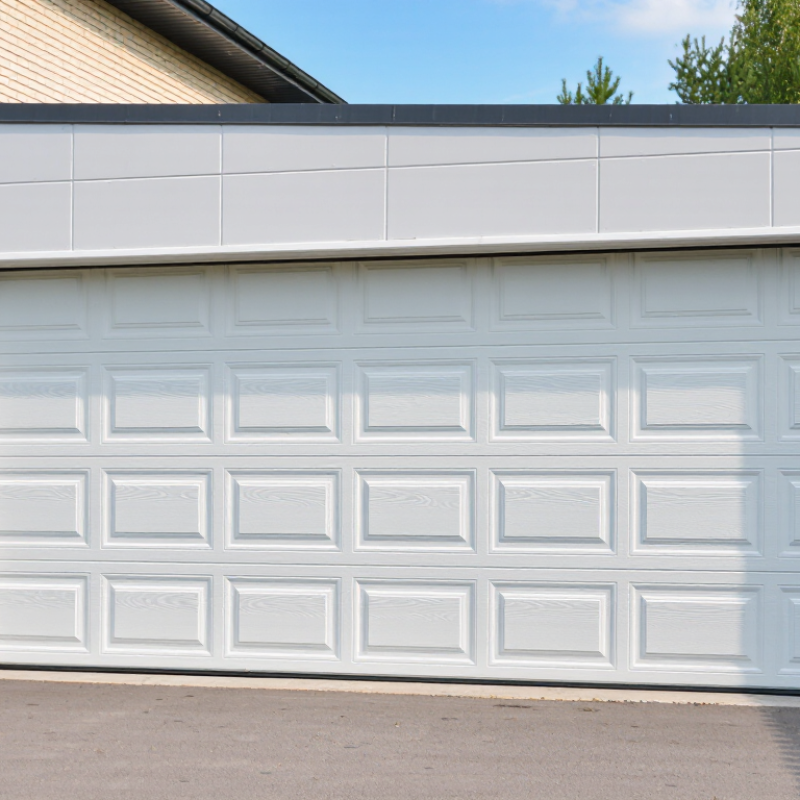
Top Insulated Garage Doors for Energy Efficiency?

How Insulated Garage Doors Reduce Heat Transfer

Top Insulated Garage Doors for Energy Efficiency?
How Insulated Garage Doors Reduce Heat Transfer

An insulated garage door slows heat transfer by adding resistance between outdoor air and the garage. In a typical sectional door, foam-filled panels reduce heat flow through the broad metal surface. The stated R-value helps compare insulation, but it does not describe the entire opening. Metal edges, hinges, and gaps can still conduct heat or admit drafts. On a cold morning, a chilly handle or frost near the bottom may reveal weak spots.

Tips: Check the perimeter seals and bottom weatherstrip before replacing the door. Close it on a sheet of paper; if the paper slides out easily, the seal may need adjustment. Small gaps matter. Confirm that the door fits the opening squarely, since insulation cannot compensate for poor installation.

An insulated door can make a connected garage more comfortable and reduce temperature swings, especially when the garage shares walls with living space. Results depend on climate, door condition, and air leakage. A high R-value is useful, not magic. Comparing surface temperatures before and after repairs can help identify improvement, though one reading is imperfect.


Insulation Ratings and Materials to Compare

When comparing insulated garage doors, check the rating method, not just the largest R-value. The U.S. Department of Energy’s Energy Saver guidance explains that higher R-values mean greater resistance to heat flow. DASMA Technical Data Sheet 163 discusses garage-door thermal performance and U-factor; R-value is approximately the inverse of U-factor. For example, R-12 converts to a U-factor near 0.083, while R-18 converts to about 0.056. These are calculated comparisons, not guarantees of whole-door performance.

Material matters. Expanded polystyrene boards are lightweight and commonly fitted between door skins. Injected polyurethane foam often fills more of the panel cavity and can add stiffness, but construction and thickness affect results. Ask whether the stated rating covers the entire assembled door or only its center panel. That detail is easy to miss. Panel joints, metal framing, and worn perimeter seals can let heat bypass insulation, especially on a windy evening.

Compare the door’s tested rating, thickness, seals, and fit as a set. A high number alone can disappoint if gaps remain around the frame. I would also check whether the rating was determined using a recognized test method, such as ANSI/DASMA 105. Small differences in installation matter. A careful measurement of the opening helps prevent an insulated door from leaving an uninsulated draft path.

Top Insulated Garage Doors for Energy Efficiency? — Insulation Ratings and Materials to Compare
Door construction Insulation material Typical advertised door R-value Energy-efficiency strengths Trade-offs to compare Best suited for
Uninsulated, single-layer steel No insulation core; usually a single steel skin Approximately R-0 to R-2 Provides little resistance to heat flow; perimeter seals still help limit drafts. Lowest insulation performance. The metal door can transfer heat readily, and thin panels may be more susceptible to dents and noise. Detached garages in mild climates where indoor temperature control is not a priority.
Insulated steel, double-layer construction Expanded polystyrene (EPS) foam between steel panels Commonly about R-4 to R-9 Better thermal resistance and panel stiffness than an uninsulated door; EPS is lightweight and does not readily absorb water. Performance depends on foam thickness, panel design, and thermal bridges. Lower-rated models may provide limited benefit in very cold or hot climates. Attached garages needing a moderate efficiency improvement at a generally lower cost than high-R options.
Insulated steel, sandwich construction Polyurethane foam injected or bonded between steel skins Commonly about R-10 to R-18 Often offers the highest R-value among common residential garage-door constructions; foam bonds to the skins and can improve rigidity. Typically costs more than basic EPS-filled doors. Compare the stated whole-door rating, not just the foam’s insulation value. Attached or temperature-sensitive garages, especially where stronger insulation and a more rigid panel are priorities.
Insulated steel with rigid foam inserts Rigid polystyrene board, such as EPS or extruded polystyrene (XPS), fitted into door sections Varies widely; often about R-4 to R-10 for complete doors Can improve an existing compatible door without replacing the entire door; foam-board R-value depends on material and thickness. Fit and coverage matter. Gaps, exposed metal sections, and uninsulated edges reduce the benefit; added weight must be within the door and opener limits. Retrofitting a sound, compatible door when full replacement is not needed.
Insulated door with glazing Typically EPS or polyurethane panels combined with windows Panel ratings vary; glazing can lower overall thermal performance Provides daylight while retaining insulated panels in the non-glazed sections. Window type, size, seals, and placement affect heat transfer and air leakage. Compare the complete door assembly where a rating is available. Garages where natural light is useful and the selected glazing’s efficiency trade-off is acceptable.

How to compare ratings: R-value measures resistance to heat flow; a higher value generally indicates better insulation. Advertised values vary by model, thickness, and test method, so they are not always directly comparable. Ask whether the figure applies to the complete door or only its insulation core. Weatherstripping, bottom seals, installation quality, and air leakage also affect real-world performance.

Door Designs That Balance Efficiency and Durability

A well-insulated garage door needs more than a high R-value. The U.S. Department of Energy’s Energy Saver guidance estimates that windows account for 25–30% of residential heating and cooling energy use. That figure does not apply directly to garage doors, but it shows why openings and air leaks deserve attention. Choose a sectional door with a continuous perimeter seal, tight panel joints, and insulation suited to the local climate. Small gaps matter. On a cold morning, feel around the frame for drafts; worn weatherstripping can undermine an otherwise insulated panel.

Durability depends on how insulation meets the door’s structure. Steel skins with bonded polyurethane cores offer rigidity, while polystyrene panels can be easier to replace if damaged. DASMA Technical Data Sheet 163 describes thermal testing for garage doors using ANSI/DASMA 105, and highlights an important distinction: a tested door value does not capture every leak at edges, tracks, or installation joints. Check the reported test method, not just the largest R-value on a sales sheet. Also consider panel thickness, hinge strength, and corrosion-resistant hardware, especially in damp or coastal conditions. Heavier doors may need compatible springs and professional adjustment. A practical trade-off remains: added insulation can improve comfort, but it cannot compensate for poor sealing or neglected moving parts.

Choosing a Garage Door for Your Climate and Needs

Choosing an insulated garage door starts with the space around it. In a cold climate, a well-insulated door can help limit heat loss, especially when the garage shares a wall with living areas. In hot regions, insulation may slow heat moving indoors, but it cannot replace ventilation or shade. It depends on the whole building.

Check the door’s stated R-value, but don’t treat that number as the full story. Construction, joints, and perimeter seals affect real performance. Look for gaps around the frame; daylight or a draft can undermine a well-insulated panel. Small details matter.

If the garage is damp, ask about materials and finishes that tolerate moisture, and keep airflow in mind. For windy or storm-prone areas, confirm that the door is rated for local conditions and installed accordingly.

How you use the garage matters, too. A workshop with people inside for hours has different needs from a space used only for storage. An attached garage may justify spending more on insulation than a detached one. I’d be cautious about choosing the highest rating by default: it may not deliver meaningful savings in a mild climate. Compare the door’s specifications with your local weather, existing wall insulation, and how often the door opens. A qualified installer can assess fit and sealing, though a second opinion can be useful when recommendations seem vague.

Installation and Maintenance for Lasting Efficiency

An insulated garage door performs best when it fits the opening closely. During installation, check that the frame is square and the tracks are aligned. Uneven tracks can strain the door and leave gaps along its edges. Ask the installer to inspect the bottom seal and side weatherstripping, too. A thin line of daylight beneath the door can let drafts and moisture inside. Insulation values matter, but installation quality affects real-world comfort.

Tips: Close the door and look for daylight around its edges. Replace cracked seals, clear debris from the tracks, and keep the area around the sensors unobstructed. Don’t apply oil to parts unless the door’s care instructions recommend it.

Check the door’s balance periodically, following the manufacturer’s safety guidance. If it feels unusually heavy, moves unevenly, or makes new grinding sounds, stop using it and arrange a professional inspection. Springs and cables are under high tension; avoid adjusting them yourself. Wipe the door panels with a soft cloth and mild cleaner, especially after road salt or dusty weather. Even careful maintenance cannot fix a poor fit, and that is easy to overlook. Recheck seals after seasonal temperature changes, since materials can shrink, harden, or loosen over time.

Top Insulated Garage Doors for Energy Efficiency

Approximate insulation performance by door construction type

R-value measures resistance to heat flow; higher values indicate greater insulation. The chart uses representative values from common ranges: about R-6–R-9 for polystyrene and R-12–R-18 for polyurethane doors. Actual performance varies by door design and thickness. Proper installation, intact weather seals, and regular maintenance help reduce drafts and preserve efficiency.

Go to Top