How to Choose the Best Steel Garage Door for Your Home?
Choosing the right steel garage door is crucial for both security and aesthetics. Experts suggest considering various factors before making a decision. Mark Thompson, a well-known garage door specialist, emphasizes, “A quality steel garage door should enhance your home's value.”
One must evaluate material thickness, insulation benefits, and style. Steel doors are known for their durability and low maintenance, making them a popular choice. Additionally, the color and design should complement your home’s exterior to achieve a cohesive look. Every homeowner has different needs, so take the time to reflect on your priorities.
While it’s easy to choose the most popular option, this may not always suit your preferences. Consider your local climate and potential corrosion issues. A well-informed choice can prevent issues down the line, ensuring functionality and aesthetic appeal. Ultimately, selecting the best steel garage door requires careful thought and consideration of all elements.
Factors to Consider When Selecting a Steel Garage Door
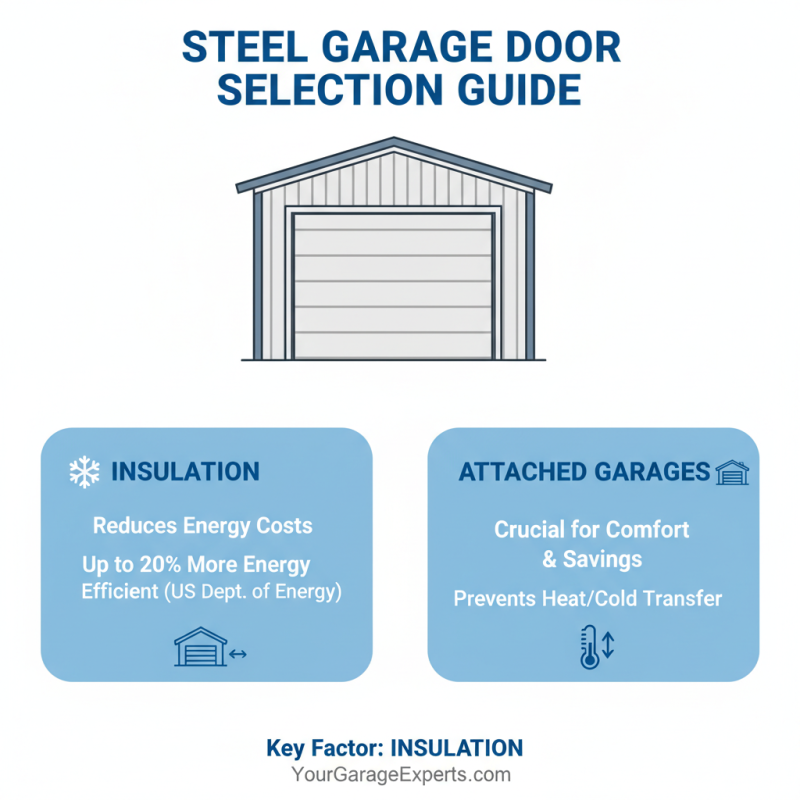
Choosing the best steel garage door involves several important factors. One key aspect is insulation. Insulated doors can reduce energy costs. According to the U.S. Department of Energy, insulated garage doors can improve energy efficiency by up to 20%. This is vital for homes with attached garages.
Another factor is durability. Steel garage doors are known for their strength and longevity. They can withstand harsh weather conditions and resist dents. In fact, reports show that steel doors have a lifespan of over 20 years. This can save homeowners money in the long run.
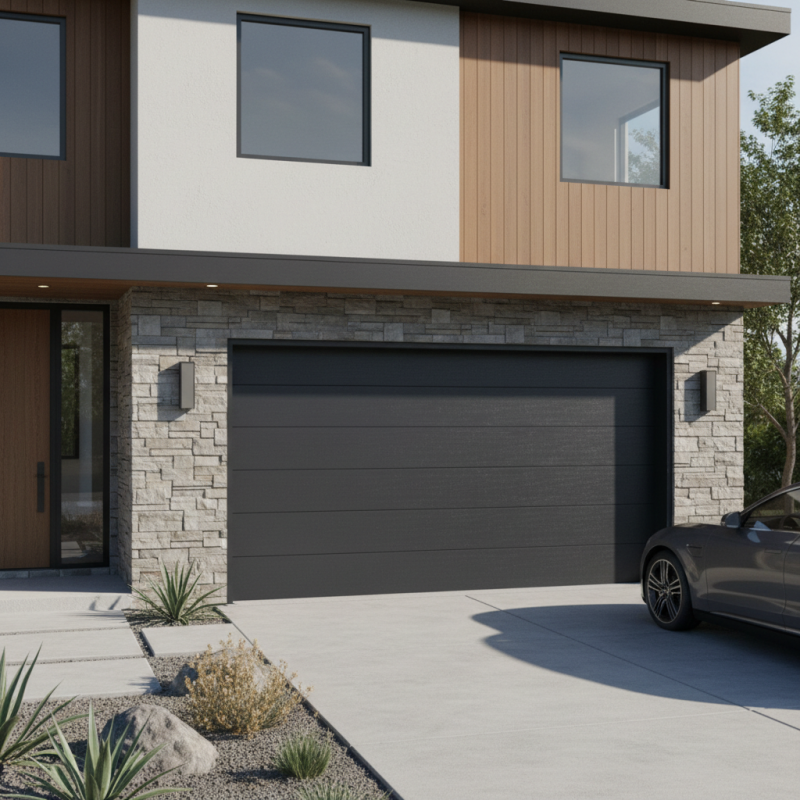
Consider the door's design and aesthetics. A steel garage door can enhance your home's curb appeal. Choose a style that complements your home’s architecture. Texture and color can transform your garage into an attractive entry point.
Tip: Look for doors with a galvanized coating. This protects against rust and corrosion.
Pay attention to the door's security features. Robust locks and reinforced frames provide peace of mind. A secure garage door protects your vehicle and stored items.
Tip: Always check for warranties. A solid warranty indicates quality and reliability.
Types of Steel Garage Doors: Styles and Designs Explained
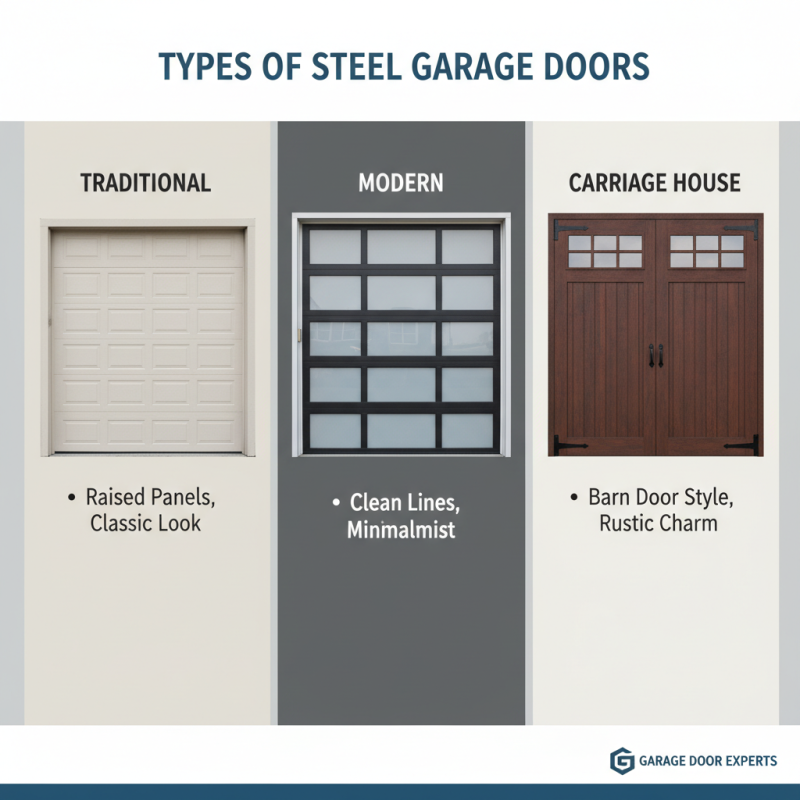
When it comes to choosing a steel garage door, understanding the various styles and designs is crucial. There are typically three main styles: traditional, modern, and carriage house. Traditional doors often feature horizontal lines and raised panels, giving a classic look. Modern designs, on the other hand, embrace minimalism with clean lines and sleek finishes. Carriage house doors mimic the appearance of old barn doors, adding a rustic charm.
In terms of designs, you can opt for insulated or non-insulated doors. Insulated doors are energy-efficient, suitable for climates with extreme temperatures. Non-insulated options might be more affordable but may not provide the same level of comfort. Colors and finishes also play a significant role. Many homeowners choose neutral tones to blend with their house. Others may prefer bold colors to make a statement.
Thinking about other factors is essential, too. The weight and durability of the door can impact its longevity. Steel doors are generally robust, but flimsy ones do exist. Consider the maintenance required as well. Some finishes require more upkeep than others, leading to potential frustrations down the line. Each choice reflects your personal style while meeting practical needs.
Energy Efficiency Ratings and Insulation Options for Steel Doors
When considering a steel garage door, energy efficiency plays a crucial role. According to the U.S. Department of Energy, a well-insulated door can reduce energy loss by up to 25%. Insulation options typically include polystyrene and polyurethane. Polyurethane provides superior insulation, offering R-values between 13 and 20. This means better thermal performance for your garage.
Steel doors can also feature thermal breaks. These breaks help minimize heat transfer. By reducing air leaks, homeowners can maintain climate control within their garages. A tight seal around the door can further enhance energy efficiency. Ensuring these seals are intact is vital for optimal performance.
The National Association of Home Builders states that insulated garage doors can lead to lower heating and cooling costs. Over time, energy savings cover installation costs. However, it’s essential to weigh these benefits against upfront expenditures. Not all steel doors offer the same level of insulation and efficiency. Researching specific products and maintaining them is necessary for long-term gains. Making an informed choice ensures your garage door meets your energy needs effectively.
Durability and Maintenance: What to Look for in Steel Garage Doors
When selecting a steel garage door, durability and maintenance are essential factors. Steel doors can withstand harsh weather and resist denting better than other materials. A study by the Door and Access Systems Manufacturers Association indicates that proper maintenance can extend the life of a steel garage door by up to 30%. Regular inspections and timely repairs are crucial for ensuring longevity.
Choose a door with high-quality steel gauge. A gauge of 25 to 20 is generally recommended. Doors with a lower gauge offer better security and insulation. Additionally, consider insulated options to enhance energy efficiency, as they keep garages cooler in summer and warmer in winter. Regularly check for rust, especially in coastal areas where salt can accelerate corrosion.
Tips for maintaining your steel garage door include cleaning it annually with a mild detergent and water mix. Applying a protective coat can help prevent rust. Ensure that moving parts are lubricated to avoid wear. Don't overlook the importance of weatherstripping; it minimizes drafts and makes your garage more energy-efficient. Each small step can make a significant difference in the performance and appearance of your garage door over time.
Cost Considerations: Budgeting for Your Steel Garage Door Purchase
When budgeting for a steel garage door, consider the initial cost and long-term value. Steel doors typically range from $800 to $3,500. Cheaper options may appear attractive but could lack durability. Investing more upfront often pays off in the long run. Look for options that offer warranties. A warranty indicates quality and reliability, giving peace of mind.
Installation costs also vary widely. You might spend an additional $300 to $1,200 for professional installation. If you’re handy, tackling the installation yourself can save money. However, improper installation may lead to future headaches. Always factor in maintenance costs as well. Steel doors can rust without proper care, leading to expensive repairs down the line.
Do not forget about insulation. An insulated door can significantly reduce energy bills. While they may cost more initially, they often pay off over time. Analyze your climate and consider how insulation might impact your overall expenses. Reflect on the long-term benefits versus immediate savings. Balancing upfront costs with future needs is crucial for making a wise investment in a steel garage door.