What Is the Best Single Garage Door from China?

Choosing the best single garage door from China requires more than comparing online prices. A reliable choice begins with real performance needs, local climate, and installation conditions. A coastal home may need stronger corrosion protection than a dry inland property. A busy household may value quiet operation, thermal insulation, and tested spring durability. These details often matter more than a polished product photograph.

This guide examines how Chinese manufacturers build and support a single garage door. It considers steel thickness, panel construction, surface coatings, hardware quality, motor compatibility, safety sensors, and replacement parts. We also look at factory experience, quality-control records, product customization, and communication during ordering. A serious supplier should provide clear specifications, inspection evidence, packaging details, and practical installation guidance. Ask for samples when possible. Pictures can mislead.

No factory is perfect. Even a well-established manufacturer may have inconsistent finishes or delayed components. That is why verification matters. Buyers should compare warranty terms, production capabilities, export experience, and after-sales responsibility before making a decision. A door that looks affordable may become expensive after freight, installation, and repairs. We will also discuss common mistakes, including choosing thin panels, overlooking opening measurements, or selecting a motor without checking weight limits. The best option is not always the cheapest. It is the door that performs safely, fits accurately, and remains supportable for years.
What Is the Best Single Garage Door from China?

Types of Single Garage Doors Manufactured in China

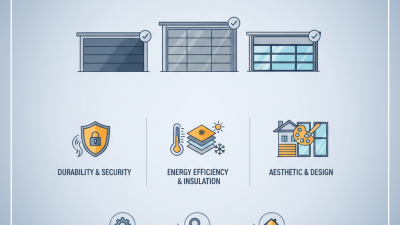
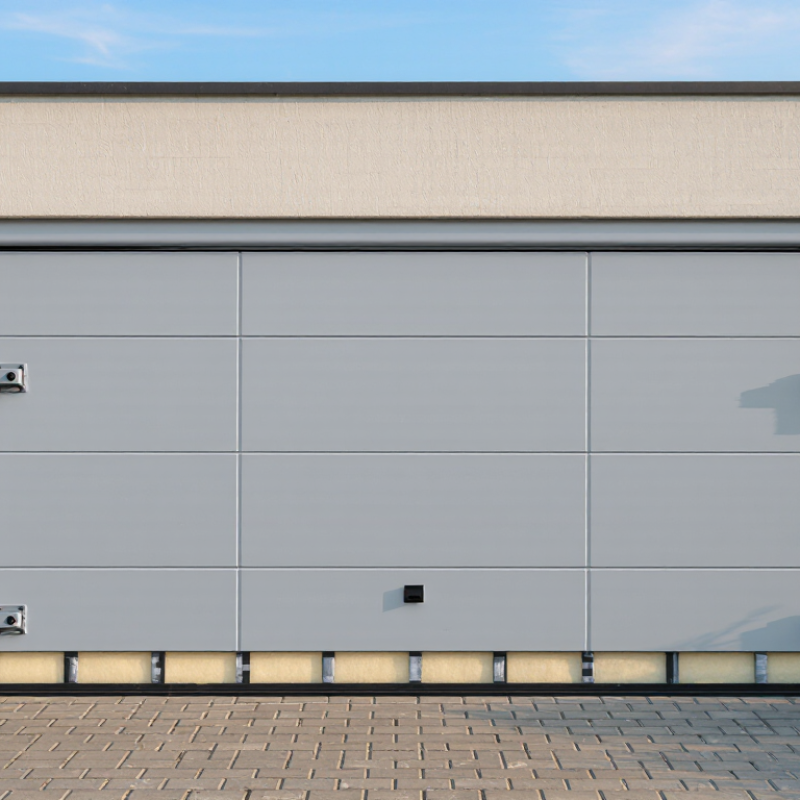
When choosing a single garage door from China, buyers should compare door types before comparing prices. Sectional doors are widely manufactured for residential projects. Their horizontal panels lift vertically and slide beneath the ceiling. They suit narrow driveways and provide useful insulation when polyurethane-filled panels are specified. Roller shutter doors need less ceiling space. Their compact curtain rolls above the opening, making them practical for garages with storage racks or low roofs. Side-hinged doors offer simple operation and easy pedestrian access. They also preserve a traditional appearance. Tilt-up doors remain available, but they require clear space outside the garage.

Material selection changes daily performance. Galvanized steel offers strength and consistent dimensions. Aluminum reduces weight and resists corrosion in humid coastal areas. Glass-panel designs improve daylight, although they need careful impact and privacy evaluation. The 2024 Grand View Research garage door market report forecasts continued global growth through 2030, supported by residential construction and replacement demand. A 2023 report from the International Door Association also emphasizes insulation, weather sealing, and safety systems as important purchasing factors. These findings support a practical specification: inspect panel thickness, hinge quality, bottom seals, spring ratings, and motor protection. Do not trust photographs alone. Ask for tested load data and installation drawings. A low quotation may hide thinner steel or weaker hardware. That matters. One weakness in many purchasing decisions is ignoring the local climate and opening frequency. A carefully selected sectional door may outperform a cheaper roller door, but not in every garage.

Key Materials and Construction Features to Compare

What Is the Best Single Garage Door from China?

Material choice should match your climate, budget, and maintenance expectations. Grand View Research estimated the global garage door market at about USD 3.1 billion in 2023. Steel remains popular because it offers strong panels, reasonable cost, and simple cleaning. Galvanized steel resists surface rust better than untreated steel. However, damaged coatings can still expose weak areas.

Aluminum is lighter and suits wider openings, but it dents more easily. Wood gives a warmer appearance, yet it needs regular sealing. A practical middle option is a steel door with polyurethane foam insulation. Check the claimed R-value carefully. DASMA guidance warns that tested thermal performance depends on the complete door system, not only the panel.

Examine section joints, reinforced end stiles, roller tracks, hinges, and bottom weather seals.

ASTM C518 can verify insulation performance, while ASTM E283 helps assess air leakage.

These details often matter more than a glossy finish.

Tips:

Request test reports, material thickness, coating details, and installation drawings. Ask whether the quoted R-value includes joints and hardware. A thicker panel is not automatically stronger. I have seen poorly reinforced doors flex during ordinary operation. Inspect corner brackets and hinge fasteners closely. Also confirm replacement-seal availability before ordering. A low initial price can become inconvenient when small parts are difficult to source.

How to Evaluate Safety, Insulation, and Weather Resistance

Choosing the best single garage door from China requires more than comparing prices. Safety should be checked through documented tests, not factory promises. The U.S. Consumer Product Safety Commission recommends testing automatic reverse systems monthly. Ask for evidence of photo-eye sensors, emergency release function, and repeated cycle testing. UL 325 requirements are widely used for garage-door opener safety, but certificates must match the actual model and production site.

Insulation needs careful interpretation. The U.S. Department of Energy explains that higher R-values generally reduce heat transfer, yet door ratings can vary with panel joints, windows, and installation. A reported R-value alone can mislead. Check the tested whole-door value, panel thickness, sealing method, and thermal-break design. In factory inspections, I would examine the bottom seal closely. A small gap can admit cold air, rain, and dust.

Weather resistance should include documented air, water, and wind testing. ASTM E283 evaluates air leakage, while ASTM E331 measures water penetration under pressure. DASMA’s TDS-163 guidance also shows why wind-load design depends on door size and regional exposure. Look for galvanized hardware, corrosion-resistant springs, sealed bearings, and reinforced tracks. Ask for test reports from an independent laboratory, with dates and traceable sample numbers. Some suppliers provide excellent samples but weaker production batches. That uncomfortable possibility deserves attention.

What Is the Best Single Garage Door from China? — How to Evaluate Safety, Insulation, and Weather Resistance

Technical comparison of commonly manufactured single-garage-door configurations

Door Configuration Typical Construction Insulation Performance
Door-Leaf U-Value
Safety Features to Require Weather Resistance
Typical Tested Classes
Wind Resistance Expected Service Life* Overall Suitability
Insulated Roller Shutter Door Double-wall aluminum or galvanized-steel slats, usually 20–77 mm deep, with a compact overhead roll and side guides. Approximately 1.5–2.5 W/m²K. Slat joints and the rolling curtain normally reduce thermal performance compared with sectional panels. Anti-drop device, obstacle detection, emergency manual override, secure locking system, and protection against curtain overrun. Air permeability: Class 1–2
Water tightness: Class 1–2
Side-guide and bottom-bar seals are critical.
Typically Class 2–4 under EN 12424 testing; wind performance can decrease at wider openings. Approximately 10–20 years, depending on motor cycles, slat alignment, and cleaning of side guides. 4.0 / 5
Good when ceiling space is limited; generally weaker in insulation and sealing than a sectional door.
Insulated Side-Hinged Door Steel or aluminum framed leaves with insulated cores, perimeter compression seals, hinges, and multipoint or central locking. Approximately 1.5–2.5 W/m²K, depending on leaf thickness, frame design, threshold, and glazing. Anti-finger-trap hinge design, hold-open devices, robust hinges, secure locking, and correctly supported leaves to prevent sagging. Air permeability: Class 2–3
Water tightness: Class 2–3
Threshold and meeting-stile seals require careful adjustment.
Typically Class 2–4 under EN 12424 testing when adequately reinforced. Approximately 15–25 years with hinge, latch, and seal maintenance. 4.1 / 5
Practical for frequent pedestrian access, but requires more clearance in front of the garage.
Steel Up-and-Over Door Single-wall or lightly insulated steel leaf operating on counterbalance arms or springs. Approximately 2.5–4.0 W/m²K for common non-insulated or lightly insulated designs. Anti-drop protection, guarded counterbalance springs, safe operating handles, and obstruction protection if motorized. Air permeability: Class 1–2
Water tightness: Class 1–2
Sealing is usually less continuous than on sectional doors.
Typically Class 2–3 under EN 12424 testing. Approximately 10–20 years, depending on spring and pivot maintenance. 3.3 / 5
Cost-effective and simple, but usually inferior in insulation, sealing, and operating safety.
Aluminum-Framed Glazed Door Thermally broken or non-thermally broken aluminum frame with double glazing, insulated panels, or a combination of both. Approximately 2.0–3.0 W/m²K; low-performance frames or extensive glazing may increase heat transfer. Safety glazing, finger-safe hinges or gaskets, anti-drop hardware, secure locking, and correctly rated automatic reversal. Air permeability: Class 2–3
Water tightness: Class 2–3
Glazing and frame drainage must be properly designed.
Typically Class 2–4 under EN 12424 testing, depending on glazing area and frame reinforcement. Approximately 15–25 years; glazing seals, rollers, and hardware may require earlier replacement. 3.8 / 5
Suitable when daylight and appearance are priorities; thermal performance depends heavily on glazing specification.
How to interpret the data: U-values are lower when insulation is better. Air permeability, water tightness, and wind-resistance classes should be confirmed by project-specific test reports rather than assumed from product brochures. For a typical single residential garage, an insulated sectional door with 40–60 mm panels, continuous perimeter seals, anti-drop protection, and tested automatic-reversal safety provides the strongest overall combination. Actual performance also depends on opening size, installation quality, local climate, hardware selection, and maintenance.

Recommended purchasing benchmarks: Request documented testing or declarations aligned with EN 13241, EN 12424, EN 12425, EN 12426, and EN 12428 where applicable; verify the exact door dimensions, panel thickness, wind class, water class, air class, safety devices, motor-cycle rating, and warranty conditions.

Selecting the Best Chinese Supplier for Your Requirements

Choosing the best single garage door from China begins with the supplier, not the catalogue image. A suitable supplier should understand your opening width, headroom, climate, and daily usage. Ask for a technical drawing before discussing price. It should show panel thickness, track dimensions, spring type, motor capacity, and safety features. Clear details reveal real expertise.

Request a physical sample or a complete door assembly when possible. Check the panel joints, seal flexibility, paint finish, and balance by hand. Ask how the supplier tests springs, hinges, rollers, and remote controls. Factory inspection records, material reports, and product certifications support reliability. However, paperwork alone is not enough. A polished document can hide weak production control.

Speak directly with the engineering and quality teams. Their answers should be specific, not copied from a sales script. Confirm packaging with photos of corner protection, moisture barriers, and internal bracing. Discuss inspection points before shipment, including dimensions and operating noise. A small trial order can expose delays or inconsistent parts. It may cost more initially. That lesson is easy to underestimate. Also review response times, replacement procedures, warranty wording, and shipping responsibilities. One overlooked measurement can make installation expensive. The best supplier is the one that documents risks honestly and improves details after your feedback.

Ordering, Quality Inspection, Shipping, and Installation Steps

What Is the Best Single Garage Door from China? The best choice depends on your opening size, climate, security needs, and installation plan. Before ordering, measure the width, height, headroom, side clearance, and backroom twice. A small measuring error can delay production. Specify panel thickness, insulation, window placement, surface finish, track type, spring system, and motor compatibility. Ask for technical drawings, material details, production photos, and a written quotation. Clear specifications reduce costly assumptions.

Quality inspection should happen before shipment, not after delivery. Check panel alignment, seal flexibility, track straightness, spring labels, fasteners, and remote-control functions. Inspect the coating under strong light. Look for scratches, uneven color, and damaged corners. My first inspection once focused too much on appearance and missed weak packaging. That mistake taught me to test both the product and its protection. Record measurements and photographs in a dated inspection report. An independent inspector adds useful objectivity.

Tips: Use reinforced crating, moisture protection, corner guards, and a packing list. Confirm shipping marks and delivery responsibilities in writing. When the door arrives, check the crate before signing. Installation needs a level opening and accurate track spacing. A trained installer should handle spring tension and motor wiring. Never adjust loaded springs casually. The door should open smoothly, stop safely, and seal evenly against the floor. Local building and electrical requirements still matter. Even a well-made door can perform poorly when installed carelessly.

Go to Top