Why Choose a Modular Trade Show Booth?
Why Choose a Modular Trade Show Booth?
A trade show booth must do more than occupy floor space. It should attract attention, support meaningful conversations, and reflect the company’s identity. A Modular Trade Show Booth offers a practical way to achieve these goals without rebuilding the entire display for every event.
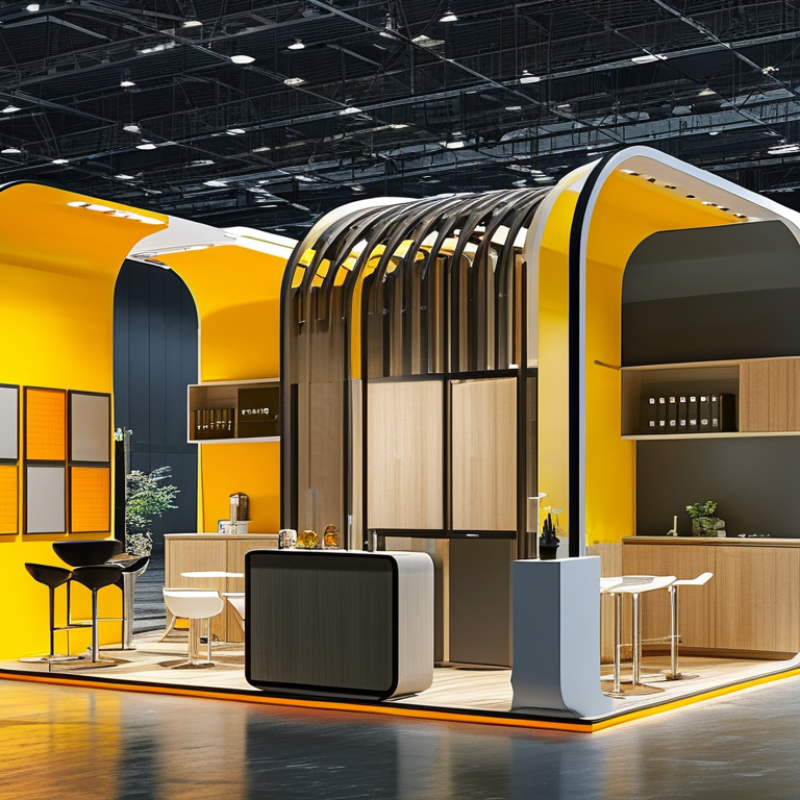
Its reusable frames, adjustable graphics, and interchangeable counters can suit different booth sizes. One configuration may include a product wall, lockable storage, and a reception counter. Another may create an open demonstration area. This flexibility can reduce replacement costs and simplify transport. It also supports a more consistent brand experience across regional and international exhibitions.
Steve Miller, a respected trade show marketing consultant and author, has stated, “The only reason to exhibit at a trade show is to generate business.” His point remains useful. A booth should support conversations, not simply impress visitors. Clear graphics, reachable staff, visible products, and comfortable movement often matter more than expensive decoration.
Still, modular systems are not automatically successful. Poor planning can produce a display that feels repetitive or visually weak. Assembly quality matters. So does the lighting.
Companies should consider expected booth sizes, storage needs, shipping conditions, and future campaign changes before purchasing. A lightweight frame may save transport costs, yet it might require stronger support for large screens. That trade-off deserves honest evaluation. With experienced design guidance and measurable objectives, a Modular Trade Show Booth can become a durable marketing asset rather than a one-event expense.
What Is a Modular Trade Show Booth?
Why Choose a Modular Trade Show Booth?
What Is a Modular Trade Show Booth?
A modular trade show booth uses reusable frames, panels, counters, lighting, and graphics. These parts connect in different layouts for different events. Unlike a custom-built booth, it can adapt to various floor sizes and transport needs. Experienced exhibitors often value this flexibility after managing tight schedules, changing venues, and limited storage.
The CEIR Index reports that business-to-business exhibitions generated strong buyer and seller engagement before and after the pandemic. CEIR research also shows that exhibitors use face-to-face events to support sales, relationships, and product discovery. A modular booth supports these goals with practical design. Staff can create an open product area, a private meeting corner, or a small demonstration wall. However, modular does not mean automatically impressive. Poor lighting or weak graphics can make the space feel ordinary. That is an honest limitation.
Tips: Plan the booth around visitor movement. Leave clear paths near the entrance. Use one strong message at eye level. Keep storage hidden. Test every connection before shipping. A simple checklist prevents expensive surprises.
UFI’s Global Exhibition Barometer tracks exhibition activity across international markets and regularly highlights operational pressure, including costs and logistics. Modular systems can reduce repeated construction work, but they still require careful packing and maintenance. Measure your storage space first. Review the design after each event. Some layouts look efficient on paper, yet feel cramped when real visitors arrive.
How Modular Booth Systems Are Designed and Configured
Why Choose a Modular Trade Show Booth?
How Modular Booth Systems Are Designed and Configured
A modular booth begins with a practical design plan, not decoration. Designers study the floor area, visitor flow, lighting points, storage needs, and transport limits. Aluminum frames create the structure, while fabric or panel graphics define the visual message. Each connection should lock firmly and remain easy to adjust.
Configuration usually starts with a scaled floor plan. A 10-by-20-foot space may include a reception counter, product wall, meeting table, and concealed storage. Designers then test different layouts before production. This prevents narrow walkways and awkward conversations. It also helps teams estimate graphic sizes, electrical access, and setup time.
Details matter.
Experienced installers check frame alignment before attaching graphics. A slightly uneven joint can create visible ripples across a large panel. Hardware must also match the expected weight of shelves, monitors, and lighting. Accessibility deserves attention, too. Clear paths and comfortable counter heights support more visitors.
Modular systems allow parts to be reused in different spaces. A back wall can become two display towers at another event. However, flexibility is not automatic. We have seen attractive designs fail because storage was too small or assembly instructions were unclear. Better planning includes labeled components, realistic setup trials, and a review after each show. Sometimes the best improvement is removing one feature, not adding another.
Why Choose a Modular Trade Show Booth?
Modular booth systems are designed from reusable frames, panels, counters, lighting, and graphics. Their configurable structure allows exhibitors to adapt the same system to different floor spaces and event requirements.
The chart compares common rectangular booth footprints. The displayed areas are calculated from the listed dimensions, showing how modular components can be arranged for compact, medium, and large exhibition spaces without redesigning the entire system.
Key Benefits of Choosing a Modular Booth
Why Choose a Modular Trade Show Booth?
Key Benefits of Choosing a Modular Booth
A modular trade show booth adapts to different spaces, event goals, and transport limits. Its reusable frames can support graphics, shelving, lighting, and product displays. In practice, this flexibility reduces the need to rebuild an entire exhibit for every show. A 10-by-20-foot layout can often become a smaller booth with careful planning. That change saves storage space and may lower long-term display costs. It also helps teams maintain a consistent presentation across multiple events.
Installation is another practical benefit. Clearly labeled parts and standard connectors can shorten setup time. Staff can assemble many systems with basic tools and proper instructions. This reduces dependence on specialized labor, although rushed preparation can still cause mistakes. We learned that a missing connector can delay an opening. Small details matter. A pre-show inventory check, simple floor plan, and test assembly improve reliability.
Modular booths also support easier updates. Teams can replace one graphic panel without discarding the entire structure. New shelves or monitor mounts can refresh the visitor experience. Their lightweight components may simplify shipping and handling, but durability depends on material quality and repeated use. A modular booth is not automatically the cheapest choice. Its value becomes clearer when the same structure serves several campaigns. Designers should review traffic flow, electrical access, accessibility needs, and local venue rules before ordering.
Good planning makes the system useful; poor planning merely makes it adjustable.
How Modular Booths Compare With Custom-Built Displays
Why Choose a Modular Trade Show Booth?
How Modular Booths Compare With Custom-Built Displays
At a busy trade show, a booth must work hard before visitors stop. A modular booth uses reusable frames, panels, lighting, and counters. Teams can adjust these parts for different floor sizes and event goals. This flexibility matters when schedules, budgets, or product lines change. Custom-built displays offer more control over shape, materials, and visual details. They can match a unique brand environment, unusual ceiling height, or complex product demonstration. The result often feels more distinctive. Yet every revision may require new drawings, fabrication, transport, and installation.
In practice, a modular system usually reduces setup time and repeated construction work. Shipping can be simpler because components fit into organized cases. Storage is also more predictable between events. Custom displays may create stronger visual impact, but they often require longer planning and specialized labor. For a one-time launch, that investment might make sense. For repeated exhibitions, modular components can provide better operational value. The decision is rarely about appearance alone.
However, modular booths are not perfect. Connectors can loosen, graphics may show wear, and standard parts can limit creative ideas. A replacement panel may also be needed after rough handling. Design quality still depends on careful planning. I have seen attractive systems fail because storage details were ignored. This is where accurate measurements, tested hardware, and clear installation instructions become important. A careful comparison should include reuse, transport, labor, maintenance, visitor flow, and the booth’s expected lifespan. But no system fits every event. Compare the full working experience, not only the first visual impression.
What to Consider Before Selecting a Modular Booth
Why Choose a Modular Trade Show Booth?
What to Consider Before Selecting a Modular Booth
A modular booth can adapt to different floor sizes, but flexibility requires careful planning. Before selecting one, measure your usual space and note the exact height limits. Some venues restrict suspended signs, lighting, or heavy structures. Confirm these rules in writing. A mistake here can create expensive changes during installation.
Think about your team’s real working conditions. Can two people assemble the frame without special tools? Will the storage case fit through a standard doorway? Check the weight of panels, counters, lighting, and display shelves. Experienced exhibitors often test the setup before the event. This reveals loose connectors, awkward cable routes, and graphics that look smaller than expected. It may feel excessive. It prevents surprises.
Material quality also affects long-term value. Aluminum frames are light, while reinforced panels can improve stability. Ask how replacement parts are supplied and how printed graphics should be cleaned. Sustainable reuse matters, but damaged components may reduce that benefit. Our early estimates were too optimistic when we ignored transport and storage costs. Build these expenses into the budget. Leave room for repairs. Accessibility deserves equal attention. Keep pathways clear, lower key information, and provide comfortable conversation space for every visitor.