Top Overhead Doors: Key Features, Benefits, and Installation Tips
Overhead doors are an essential component in various industries, playing a critical role in enhancing efficiency, security, and accessibility. According to a recent report by the Door and Access Systems Manufacturers Association (DASMA), the overhead door market is projected to grow significantly, driven by advancements in technology and an increase in construction activities worldwide. This surge is attributed to the rising demand for energy-efficient and automated door solutions that cater to various commercial and residential applications.
Industry expert, Dr. Robert L. Simmons, a leading authority in the overhead door sector, emphasizes the importance of functionality and durability in his research. He states, "The evolution of overhead doors has revolutionized how businesses operate, providing not only convenience but also the resilience needed to withstand heavy usage." His insights highlight the necessity for understanding key features and benefits associated with overhead doors to make informed decisions regarding selection and installation.
In this article, we will delve into the essential aspects of overhead doors, discussing their key features, the benefits they offer, and crucial installation tips to ensure optimal performance. As the demand for robust and efficient door solutions continues to rise, understanding these elements is vital for both property owners and industry professionals alike.

Overview of Overhead Doors and Their Types
Overhead doors are an essential component of both residential and commercial properties, providing functionality and security. These doors come in various types, including sectional, roll-up, and tilt-up designs, each tailored to specific needs and applications.
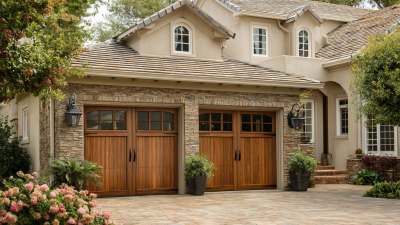
Sectional doors consist of several panels that slide up along tracks, making them ideal for spaces with limited room.
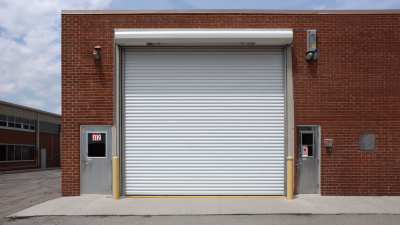
Roll-up doors, commonly seen in industrial settings, are made of continuous slats that roll around a drum, allowing for quick access and maximum height.
Tilt-up doors, on the other hand, pivot outward and are suitable for locations where ceiling space is a concern.
When choosing the right type of overhead door, it’s important to consider not only the space available but also the desired aesthetic and insulation requirements. Insulated overhead doors can significantly reduce heating and cooling costs, making them a practical choice for climates with extreme temperatures.
Additionally, many modern styles are designed to enhance curb appeal while maintaining the durability required for everyday use. Proper installation is crucial for optimal performance, and it is recommended to follow manufacturer guidelines or consult with professionals to ensure the door is securely fitted and operates smoothly.
Key Features to Consider When Choosing Overhead Doors
When selecting overhead doors, several key features should be considered to ensure that the chosen option meets both functional and aesthetic needs. First, insulation is a critical aspect, especially in regions with extreme weather conditions. Insulated doors not only enhance energy efficiency by retaining heat in winter and keeping out heat in summer, but they also help minimize noise, providing a more comfortable environment. Look for doors with high thermal resistance (R-value) to achieve optimal insulation performance.
Another important feature is the material of the overhead door. Common materials include steel, wood, and fiberglass, each with its unique advantages. For instance, steel doors are known for their durability and security, making them ideal for commercial settings, while wooden doors offer a classic appearance that can enhance the architectural appeal of a home. Additionally, consider the door's design and style, as it should complement the overall look of your property. Window options, colors, and panel designs further allow for personalization, setting the tone of the building's entrance.
Lastly, the door's operational mechanism is crucial. Options include manual and automatic openers, with automatic systems offering increased convenience, especially for high-traffic areas. Furthermore, safety features such as pinch-resistant edges and smart technology compatibility should be prioritized to enhance usability and security. By taking these key features into account, you can select overhead doors that are both functional and aligned with your aesthetic vision.
Benefits of Installing Overhead Doors for Your Property
Installing overhead doors can significantly enhance the functionality and aesthetic value of a property. One of the key benefits is improved energy efficiency. According to a report by the U.S. Department of Energy, upgrading to insulated overhead doors can reduce energy costs by as much as 20% in residential scenarios, particularly in regions with extreme climates. The addition of insulation helps maintain a stable indoor temperature, ultimately leading to lower heating and cooling expenses.
Another advantage of overhead doors is the enhanced security they provide. Properties equipped with robust, well-designed overhead doors experience a notable decrease in unauthorized access incidents. Statistics from the National Association of Home Builders indicate that homes with quality overhead doors are less likely to be targeted by burglars, as these doors are often constructed with materials that present a challenge for potential intruders. Furthermore, many models come with advanced locking systems that further bolster security.
Installation of overhead doors is also less cumbersome than traditional doors, allowing for seamless transitions between spaces. These doors utilize vertical lifting mechanisms which save space and enhance accessibility, making them ideal for garages, commercial spaces, and even residential applications. According to the International Door Association, proper installation of these doors can improve their lifespan by 30% compared to poorly installed alternatives, underscoring the importance of professional services during the installation process. Investing in quality overhead doors not only elevates property aesthetics but also maximizes long-term functional benefits.
Benefits of Installing Overhead Doors for Your Property
Step-by-Step Guide to Installing Overhead Doors
When considering the installation of overhead doors, a systematic approach can significantly enhance both the experience and the final outcome. According to the Garage Door Manufacturers Association (GDMA), nearly 70% of homeowners opt for professional installation due to the complexity of the task. However, for those looking to undertake a DIY approach, understanding the essential steps is crucial.
Begin by preparing the door opening, ensuring that it is clean, level, and structurally sound. Accurate measurements are vital; the door should fit snugly within the frame to prevent air leaks and maintain energy efficiency.
Next, assembling the door according to the manufacturer’s specifications is key. Use proper tools—like a level, drill, and socket set—to ensure precision. It’s advisable to have an extra set of hands available, as overhead doors can be heavy and cumbersome. A report from the Home Improvement Research Institute indicates that improper installation can lead to significant safety hazards, including malfunctioning systems or even injury. Once the door is in place, make sure to test its functionality, paying close attention to the balance and the response of the opener.
Regular maintenance checks post-installation are recommended, with about 30% of overhead doors needing adjustments within the first year, emphasizing the importance of initial precision in installation.
Maintenance Tips for Longevity of Overhead Doors
Regular maintenance of overhead doors is crucial for ensuring their longevity and optimal performance. According to a report by the Door and Access Systems Manufacturers Association (DASMA), proper maintenance can extend the life of overhead doors by up to 30%. Routine checks should include inspecting the door tracks for debris, ensuring that rollers and hinges are lubricated, and confirming that the door moves smoothly without any obstructions. This not only enhances functionality but also reduces the likelihood of costly repairs stemming from neglect.
Additionally, the importance of weather seals cannot be overstated. A survey conducted by the International Door Association (IDA) found that nearly 20% of overhead door failures are attributed to inadequate weatherproofing. Ensuring seals are intact and functional can prevent drafts and moisture intrusion, further protecting the door mechanism and the surrounding structure. Regularly replacing worn seals and addressing any gaps can save homeowners an average of 10% on energy costs annually, highlighting the connection between maintenance and efficiency.
Finally, consider a periodic professional inspection at least once a year. Such evaluations by skilled technicians can reveal underlying issues that may go unnoticed in regular maintenance routines. Implementing these practices not only prolongs the lifespan of overhead doors but also enhances safety, functionality, and energy efficiency, contributing to a more secure and cost-effective property.