Top Garage Door Options to Choose in 2026?
In 2026, selecting the right garage door options will be crucial for homeowners. The garage door industry continues to evolve, with innovative designs and materials transforming choices available. According to a recent report by the Home Improvement Research Institute, nearly 70% of homeowners prioritize energy efficiency when choosing garage doors.
Expert Jake Thompson, a leading authority in garage door options, emphasizes, "Today’s homeowners seek more than just function; they want style and sustainability." This insight highlights a growing trend where aesthetics and eco-friendliness are becoming essential in decision-making.
Homeowners now have numerous garage door options to explore, from insulated doors to smart technology integrations. Each choice brings various benefits and challenges. It's essential to weigh these options carefully and consider the long-term investment. Striking a balance between design, durability, and energy efficiency will guide many in 2026 and beyond.
Popular Materials for Garage Doors in 2026: A Comprehensive Overview
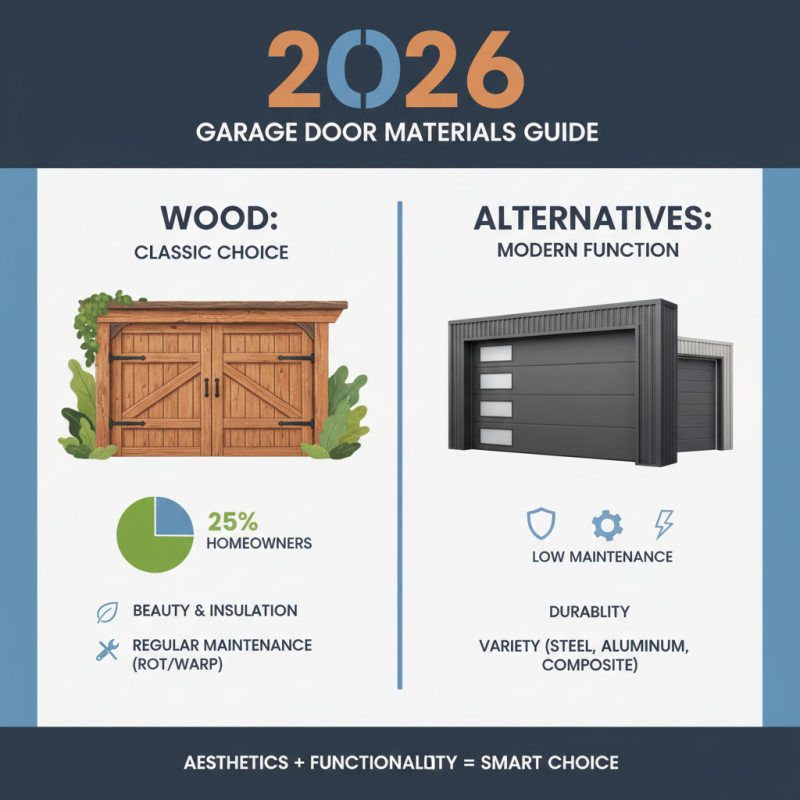
In 2026, the choice of garage door materials will significantly impact aesthetics and functionality. Wood remains a classic option, offering beauty and insulation. However, it requires regular maintenance to prevent rot and warping. According to industry reports, about 25% of homeowners choose wood for its natural appeal. Yet, for many, the upkeep can feel overwhelming.
Steel doors are also rising in popularity. They provide durability and security. A recent survey shows that 40% of homeowners opt for steel due to its low maintenance needs. These doors resist dents and rust, making them ideal for various climates. Still, some might find them less visually appealing compared to wood.
Composite materials are gaining traction. They mimic the look of wood but resist weathering and pests. Data suggests that 30% of new installations feature composite doors. While they offer a modern solution, the initial cost can be high. Homeowners should weigh these factors before deciding. Each material has unique characteristics that can fit different needs and preferences.
Energy Efficiency Features to Consider in Garage Doors for 2026
When selecting garage doors for 2026, energy efficiency will be a crucial factor. Homeowners are becoming more aware of their carbon footprints. Insulated garage doors can significantly reduce thermal loss. These doors help maintain a stable temperature inside your garage, saving on heating and cooling costs.
Look for doors with high R-values. The R-value measures insulation effectiveness. A higher number indicates better insulation. Also, consider the materials used. Steel and composite materials often provide better energy efficiency compared to standard materials. Windows can be double-glazed for added insulation.
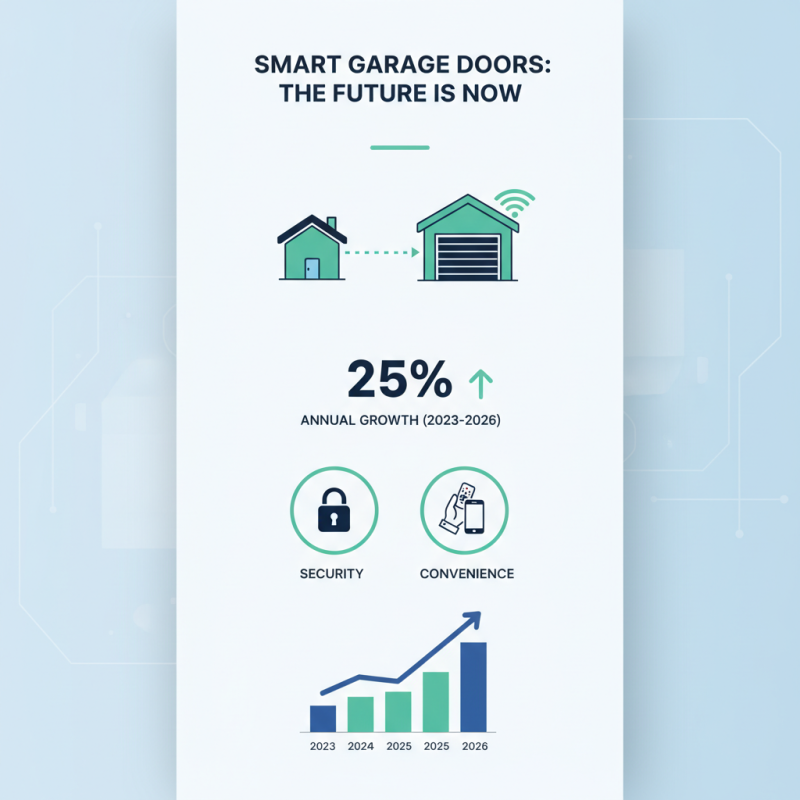
Some garage doors offer smart technology. These features can assist in monitoring energy usage. Solar-powered options are becoming more mainstream. They may reduce reliance on traditional energy sources, but they need careful installation and maintenance. Reflect on your lifestyle and energy needs before making a choice. Balancing aesthetics and practicality can be tricky, but it is essential for long-term savings.
Design Trends and Aesthetics for Garage Doors in 2026
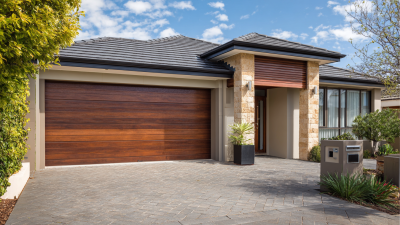
As we look ahead to 2026, garage door design trends are evolving to blend functionality with aesthetics. Homeowners increasingly prefer sleek, modern lines that enhance curb appeal. Minimalist styles are dominating, featuring clean surfaces and bold colors. Natural materials like wood are making a comeback, but with a contemporary twist. These doors offer warmth and charm, appealing to those seeking character.
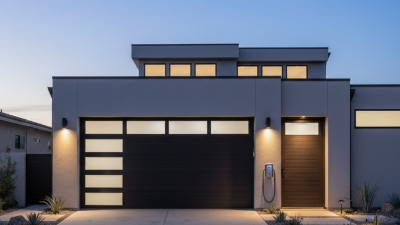
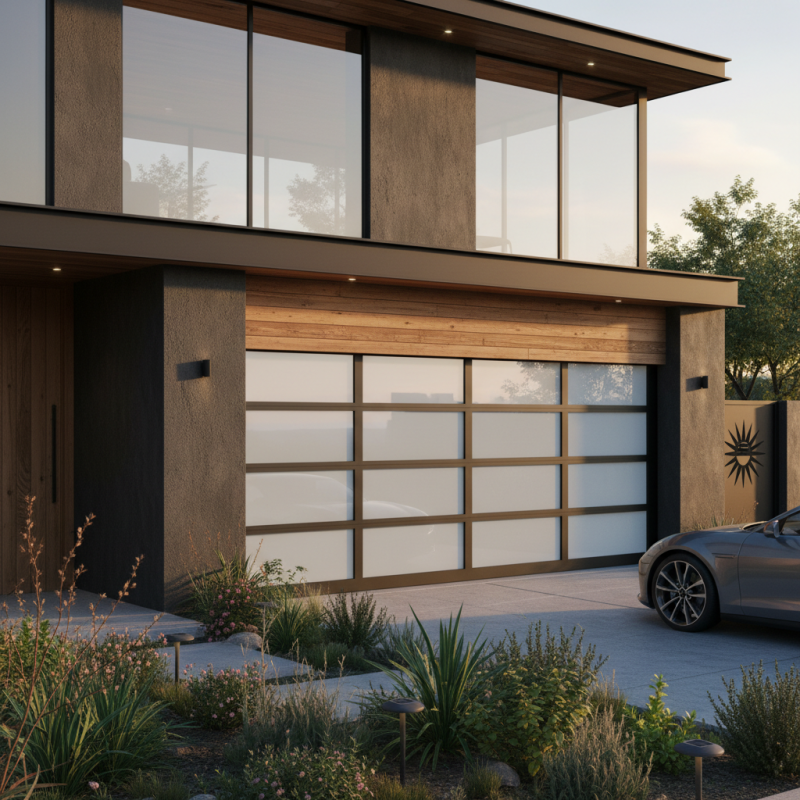
Innovative designs embrace large windows that flood the garage with light. This trend not only enhances visibility but also creates a more inviting space. On the other hand, some designs face criticism for lack of privacy. Balancing openness with security is vital. Textured finishes, like embossed patterns, add depth but can sometimes seem too busy for simple homes. It’s essential to find a balance that resonates personally.
Sustainability plays a significant role in 2026 designs. Eco-friendly materials are preferred, showing a commitment to the environment. However, some homeowners still struggle with the higher costs associated with these products. As choices expand, reflecting on personal style versus trends is crucial. The goal is to create a garage door that resonates with individuality while still fitting within community aesthetics.
Key Factors to Assess When Choosing a Garage Door in 2026
When selecting a garage door in 2026, consider several key factors. Customization options are important. Many homeowners now seek personalized aesthetics that match home design. A recent industry report indicates that 70% of buyers prioritize style. Materials choice also matters significantly. Steel doors provide durability, while wood offers a classic look. The right material can affect the door’s lifespan and maintenance needs.
Energy efficiency should not be overlooked. Insulated garage doors help in reducing energy costs. Studies show insulated doors can save homeowners up to 20% on heating. This is especially relevant in varying climates. Look for energy ratings when shopping.
Tips: Always assess the security features of your chosen door. Many modern doors include advanced locking systems. Also, consider smart technology integration. Remote access can make daily life more convenient. Remember to weigh the initial cost against long-term benefits. Sometimes, cheaper options require more repairs later.
Top Garage Door Options to Choose in 2026