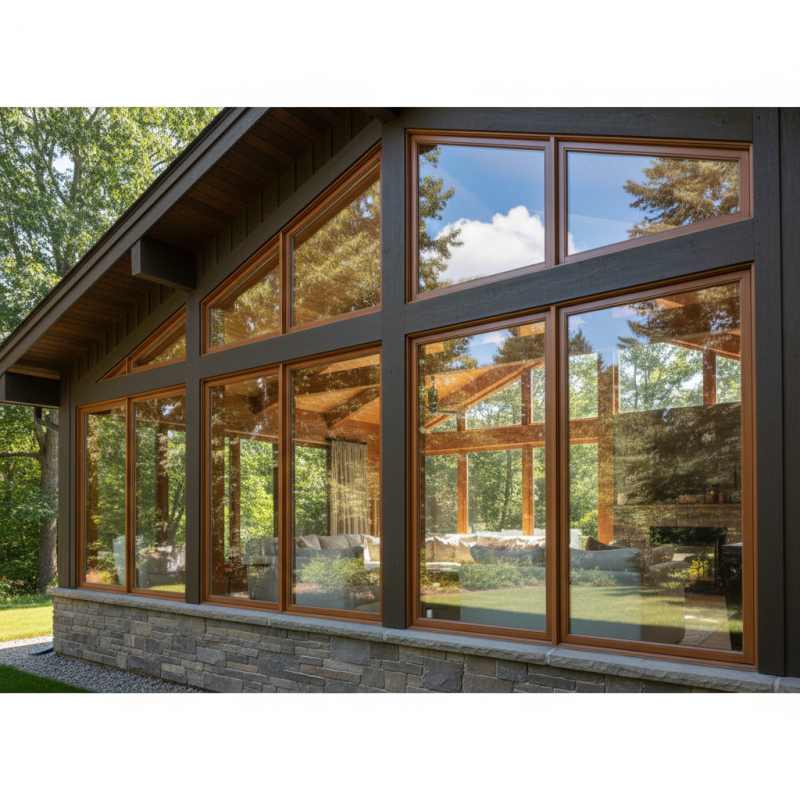
Clad Wood Windows Tips for Choosing the Best Options?
Choosing the right windows for your home is a crucial decision. Clad Wood Windows stand out for their beauty and durability. These windows combine the elegance of natural wood with a protective exterior. This offers a blend of aesthetics and functionality.
When selecting Clad Wood Windows, consider materials and styles. Each option comes with its own advantages. You may find yourself overwhelmed by the choices available. It’s essential to understand what features matter most to you. Some people prioritize energy efficiency, while others focus on maintenance needs.
Reflect on your climate and home design. Not all Clad Wood Windows are created equal. Some may not perform well in extreme weather. Assess the reputation of manufacturers to ensure quality. Investing time in research will lead to better long-term satisfaction. Remember, your choice impacts not just aesthetics but also your home's efficiency and comfort.
Factors to Consider When Selecting Clad Wood Windows
When selecting clad wood windows, several key factors emerge. Durability should be a priority. According to industry reports, clad wood windows can last over 30 years with proper maintenance. The outer cladding, often made of aluminum or vinyl, protects the wood beneath from moisture and UV damage. This significantly extends the lifespan of the window.
Energy efficiency is another critical consideration. Energy Star estimates that high-quality windows can reduce heating and cooling costs by up to 25%. Look for windows with a low U-value, indicating better insulation properties. A practical choice might also involve examining the window’s design and aesthetic compatibility with your home. Each window style can range from traditional to contemporary, impacting your home's overall appearance.
Adapting to regional climates is important. Windows suited for humid areas may differ from those in colder, drier climates. Not all clad wood windows perform equally; some may require additional weatherproofing. It’s essential to research and consult professionals for insights on specific needs. Ultimately, your selection should blend durability, energy efficiency, and style while reflecting local climate challenges.
Understanding Different Cladding Materials and Their Benefits
When choosing clad wood windows, understanding cladding materials is essential. Different materials serve different needs. Vinyl, for instance, is popular for its durability and low maintenance. It resists weather damage well.
Wood-clad options provide natural beauty but require more upkeep. Aluminum cladding offers a sleek look and exceptional protection against elements. It is lightweight and resistant to corrosion. However, it may lack the warmth of wood.
Composite materials combine strength and aesthetic appeal. They can mimic wood while minimizing maintenance.
It's important to reflect on your environment and style choices. Each material has pros and cons. Vinyl may fade over time in harsh sunlight. Aluminum can become hot in the sun. Weighing these factors helps ensure you make an informed decision. Ultimately, the right cladding material balances aesthetics and functionality for your home.
Evaluating Energy Efficiency in Clad Wood Windows
When evaluating clad wood windows, energy efficiency becomes a focal point. The type of wood and the quality of insulation play crucial roles in maintaining indoor temperatures. High-performance glazing options are vital. They can reduce heat loss in winter and minimize heat gain in summer. Look for windows with low U-values to ensure minimal heat transfer.
In addition to glazing, consider the frame materials. Clad wood windows typically have an exterior layer that protects against weather elements. This provides durability while enhancing energy-saving capabilities. Check the insulation properties of the wood core. It can greatly impact overall energy efficiency.
It's important to reflect on energy ratings. Energy Star labels can guide consumers, but they don't tell the whole story. Some windows may meet standards yet still lack consistent performance. Always research customer experiences and product testing results. Make informed choices to achieve the best energy efficiency in your home.
Clad Wood Windows Tips for Choosing the Best Options
| Feature | Option A | Option B | Option C |
| Material Type | Composite | Vinyl | Aluminum |
| Energy Efficiency Rating | R-5 | R-4 | R-3.5 |
| Average Lifespan | 30 years | 25 years | 40 years |
| Maintenance Required | Low | Medium | High |
| Cost (per window) | $600 | $450 | $700 |
Assessing Aesthetic Options for Clad Wood Window Designs
When selecting clad wood windows, aesthetics play a crucial role. The design options available can significantly influence the overall appearance of your home. For instance, the profile of the window can range from classic to contemporary styles. Consider how the shape interacts with your home’s architecture. Arched or rectangular windows can set different moods.
Color is another important factor. Clad wood windows often come in various finishes. Do you prefer a traditional wood look or a bolder color? Dark hues can provide a modern touch, while lighter shades offer a timeless appeal. Reflecting on the colors around your home can help. This can tie the windows into the broader color scheme of your exterior.
Textures add another layer of interest. Smooth finishes can feel sleek and modern, while textured options bring warmth. Think about the look and feel you want for your space. Sometimes, the perfect choice might not be the easiest. Challenging your instincts can lead to unexpected beauty. Clad wood windows offer diversity. Embrace it and explore what resonates with you.
Comparing Maintenance Requirements for Clad Wood Windows
When considering clad wood windows, maintenance requirements play a crucial role. Clad windows typically feature a wood core covered with a protective layer. This design helps reduce upkeep compared to traditional wood windows. However, it is still important to monitor the condition of both the interior and exterior materials.
The exterior cladding, often made of aluminum or vinyl, resists moisture, fading, and damage. This means less frequent painting or sealing. Still, regular inspections are necessary. Look for scratches or dents on the cladding surface. They can allow moisture to penetrate, leading to wood rot. On the interior, wood needs attention too. Any peeling paint or signs of wear should not be ignored. Timely repairs can prevent more significant issues down the line.
Even with lower maintenance, some aspects are demanding. Cleaning the exterior may require specialized tools to reach higher windows. In colder climates, ice can accumulate, which might crack the protective layer. Homeowners must stay vigilant. Understanding these nuances is key to ensuring longevity and performance for clad wood windows.
Clad Wood Windows Maintenance Comparison