How to Install an Automatic Fire Shutter for Safety?
In recent years, the importance of fire safety has gained significant attention. Reports indicate that over 75% of commercial building fires spread through open spaces. An effective way to mitigate this risk is by installing an Automatic Fire Shutter. These devices can contain flames and smoke, protecting lives and property.
Dr. James Morton, a renowned fire safety expert, states, “Automatic Fire Shutters are crucial in modern building design.” This sentiment echoes in industry reports highlighting that implementing such systems can reduce fire spread by as much as 60%. Yet, despite this knowledge, many buildings lack adequate fire safety measures, raising concerns.
Potential pitfalls exist in the installation process. Misalignment or faulty sensors can hinder the effectiveness of the Automatic Fire Shutter. It's essential to reflect on these issues. Proper installation and regular maintenance are vital for optimal performance. Adopting these practices is not just a regulatory requirement; it is a responsible safety measure that could save lives.
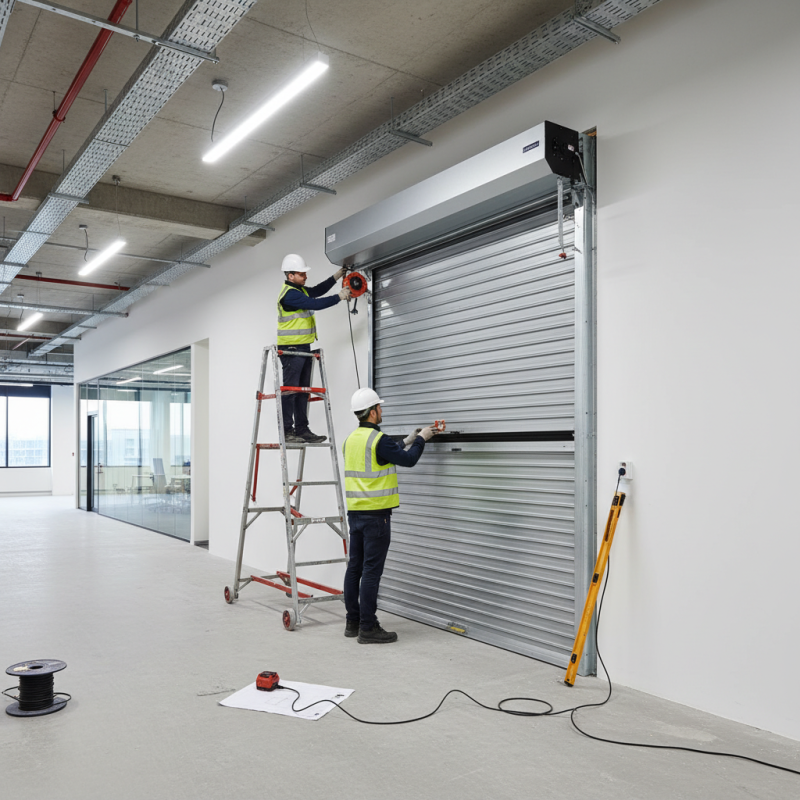
Understanding the Purpose and Importance of Automatic Fire Shutters
Automatic fire shutters play a crucial role in enhancing building safety. These devices automatically close during a fire, preventing flames and smoke from spreading. They can compartmentalize a fire to protect lives and property. Many people underestimate their importance until an emergency occurs. This reliance on them can lead to a false sense of security.
Understanding how they function is vital. Sensors detect changes in temperature or smoke. When triggered, the shutters descend rapidly. This action can buy precious time for safe evacuation. However, maintaining these systems is often overlooked. Regular inspections are necessary to ensure they operate when needed. Neglect can lead to failure during critical moments.
Installing automatic fire shutters requires careful planning. Identifying key areas for protection is essential. While they are effective, they also require proper placement. Misjudgments here might render them less effective. Fire safety is not just about installation; it requires consistent effort and vigilance.
Choosing the Right Automatic Fire Shutter for Your Needs
Choosing the right automatic fire shutter is crucial for safety. You need to consider factors like size, material, and installation requirements. Measure the opening where the shutter will be installed. This ensures a proper fit. A poorly fitted shutter may not perform effectively during a fire.
Material choice matters. Steel options are durable but can be expensive. Aluminum offers a lightweight alternative. Think about your building's design and fire risk level.
Tips:
Always consult with a professional before making a decision. They can provide insights on local fire codes. Evaluate the shutter mechanism; some require manual operation. A fully automated system may be more reliable.
Remember, an automatic fire shutter is an investment in safety. Don't rush the selection process. Take your time to weigh the pros and cons of each option. The right choice can save lives and property.
Preparing Your Space for Installation: Tools and Materials Required
When installing an automatic fire shutter, proper preparation is crucial. Begin by gathering essential tools and materials. Commonly required tools include a drill, level, and measuring tape. Safety gear is essential: gloves, goggles, and hard hats. Each component plays a role in guaranteeing a safe installation.
According to industry reports, over 60% of fire incidents can be managed with effective barriers like fire shutters. Materials must meet specific safety standards. Non-combustible materials enhance effectiveness. It's also vital to ensure that all components fit properly to avoid future issues. Check dimensions meticulously; inconsistencies can lead to catastrophic failures.
Consider the area where the shutter will be installed. Clear the space and communicate with others nearby. Unexpected delays may occur due to hidden obstacles. Assessing the surrounding environment is critical before installation. Finally, remember to review your work. Perfection is rarely achieved, and double-checking ensures that you're on the right track. Reflect on each step to find areas that may have been overlooked.
How to Install an Automatic Fire Shutter for Safety? - Preparing Your Space for Installation: Tools and Materials Required
| Item | Description | Quantity | Notes |
| Automatic Fire Shutter | Device to block fire and smoke | 1 | Ensure proper size for opening |
| Drill | Tool for making holes | 1 | Cordless preferred |
| Screws | Fasteners for installation | 10-20 | Stainless steel recommended |
| Level | Tool to check horizontal alignment | 1 | Essential for proper installation |
| Measuring Tape | Tool for measuring dimensions | 1 | To ensure correct measurements |
| Safety Glasses | Protective eyewear | 1 | Must wear during installation |
| Pencil | For marking measurements | 1 | Use for accurate markings |
| Instruction Manual | Provides installation guidance | 1 | Read thoroughly before starting |
Step-by-Step Installation Process for Automatic Fire Shutters
Installing an automatic fire shutter is crucial for enhancing safety in both residential and commercial properties. A recent report from the National Fire Protection Association shows that over 40% of fire-related deaths occur in properties lacking adequate fire barriers. Automatic fire shutters serve as vital barriers, restricting the spread of flames and smoke.
To begin the installation process, measure the opening where the shutter will be placed. Ensure that the measurements are precise; even a slight miscalculation can lead to gaps. These gaps can compromise the shutter’s effectiveness. Next, secure the mounting brackets according to the manufacturer's guidelines, ensuring they are firmly in place. It’s essential to use appropriate tools, as the wrong ones can lead to errors. Many installers overlook these details, which can be detrimental.
Once mounted, attach the shutter itself. Carefully connect any wiring for the automatic control system. Ensure that all mechanisms operate smoothly. It’s common for individuals to rush through this step or neglect regular testing. Remember, functionality is paramount. Post-installation, conduct a series of tests to verify that the shutter closes properly and quickly. A failure to do this could leave you vulnerable in case of an emergency. Prioritize your safety by embracing thoroughness in your installation process.
Testing and Maintaining Your Automatic Fire Shutter for Optimal Safety
Regular testing is essential for your automatic fire shutter. Schedule checks quarterly. Look for any signs of wear or damage. Ensure the shutter opens and closes smoothly. Listen for unusual sounds during operation. These small steps can prevent larger issues later.
Maintenance should include cleaning. Remove dust and debris that can obstruct movement. Inspect the sensors and control panels. Dirty sensors may fail to detect smoke or fire effectively. Make sure everything is free of obstructions.
Tips: Check the power supply regularly. A faulty connection can prevent the shutter from closing in an emergency. Document any maintenance performed. This record helps identify patterns or recurring issues. Remember, safety involves more than just installation; it requires ongoing attention.