2026 How to Choose WPC Classic Decking for Your Project?
When planning your outdoor project, the choice of materials is crucial. WPC Classic Decking stands out as a versatile option. It combines wood and plastic to offer a blend of durability and aesthetics. Many homeowners appreciate its low maintenance requirements. With this decking, you can enjoy the beauty of wood without the constant upkeep.
However, selecting the right WPC Classic Decking for your needs requires careful consideration. Factors such as color, texture, and weight matter. Different brands offer varying levels of quality. Researching these can lead to different experiences and outcomes. It’s important to evaluate your specific requirements and context before making a decision.
Mistakes are common in this process. For example, not accounting for climate can lead to poor performance. Moreover, installation is another area where missteps occur. Budget constraints may tempt you to compromise on quality, but this often leads to regrets later. Thoughtful planning and informed choices will help you achieve a project that meets your expectations with WPC Classic Decking.
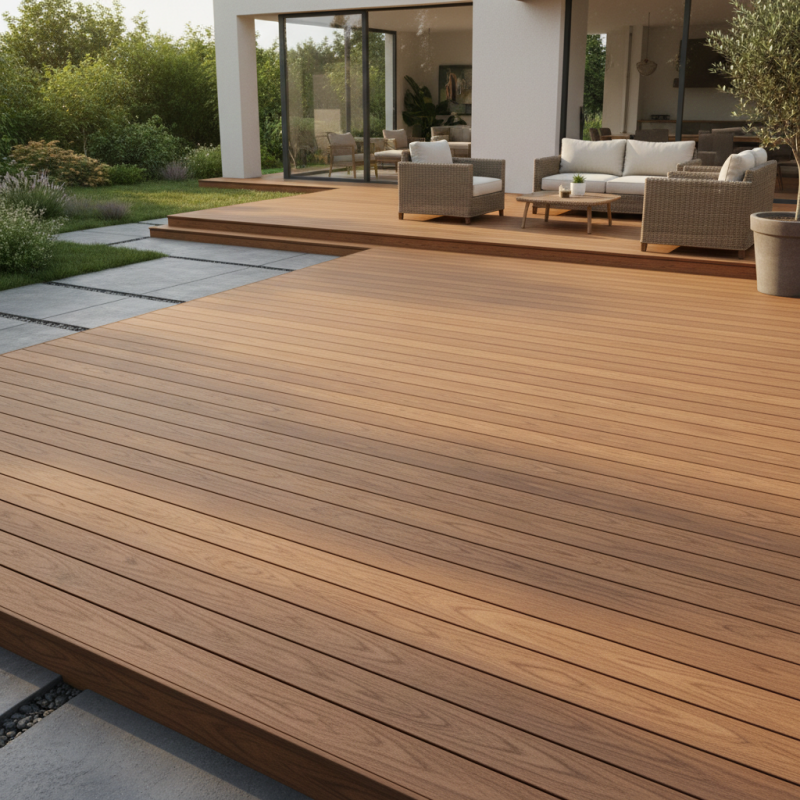
Understanding WPC Classic Decking and Its Benefits
WPC classic decking, made from wood plastic composite, offers distinct advantages. Its durability is impressive, resisting weather, moisture, and decay. Unlike traditional wood, WPC does not warp or splinter easily, making it ideal for families and pets. This material often saves you maintenance time and costs. Many homeowners appreciate this factor.
When considering aesthetic appeal, WPC classic decking comes in various colors and finishes. It can mimic the look of hardwood without the associated upkeep. However, some users have noted that certain colors may fade over time under direct sunlight. Testing samples before full installation could be wise.
Additionally, WPC decking is an eco-friendly option. It utilizes recycled materials, contributing to sustainability. Yet, it’s essential to consider the environmental impact of its production process. Research the sourcing methods to ensure they align with your values. Such reflections can guide your choice effectively.
Identifying Your Project Requirements for Decking Selection
When selecting WPC (Wood-Plastic Composite) classic decking for your project, understanding your requirements is crucial. Consider the purpose of the deck. Is it for entertaining, relaxation, or merely a walkway? Each purpose demands different durability and aesthetic qualities. Take time to define how you intend to use the space. This will guide your choices effectively.
Next, think about the environmental conditions. Is your deck exposed to harsh sunlight, rain, or snow? WPC materials generally withstand weather better than traditional wood. However, they can fade over time, especially in direct sunlight. Reflect on maintenance needs too. Some WPC options require more upkeep than others. Your lifestyle should influence this decision.
Finally, aesthetic preference matters. Do you want natural wood looks or vibrant colors? It’s easy to get distracted by trends. Focus on long-term satisfaction. Think about how the choice aligns with your personal style and the surrounding landscape. Balancing practicality and design will lead to a successful selection.
Evaluating Material Quality and Durability of WPC Decking
When selecting WPC (Wood-Plastic Composite) classic decking, evaluating the material quality and durability is critical. WPC decking combines wood fibers and plastic, making it a popular choice for outdoor projects. Look for products that contain a high percentage of recycled materials. A higher wood content often enhances the natural appearance but check for potential susceptibility to moisture and insects.
Durability is another essential factor. A quality WPC decking should resist fading, scratching, and mildew. Check if the material comes with warranty information. Warranties can indicate the manufacturer’s confidence in their product. Don’t forget to consider the environmental impact. Sustainable sourcing of materials can contribute to a lower carbon footprint.
Be wary of misleading marketing claims. Sometimes, products may appear strong but fail in real-world conditions. Seek reviews or case studies from verified users. Genuine feedback can reveal hidden flaws. Always touch and feel samples before making a decision. That can help identify any construction inconsistencies. Quality matters in the long run. Choose wisely.
Material Quality and Durability Evaluation of WPC Decking
Exploring Design Options and Aesthetic Preferences
When choosing WPC classic decking, aesthetics play a crucial role. The first step is to evaluate your space. Consider the architecture of your home and the surrounding landscape. Colors and textures that complement existing elements create harmony. For instance, a rustic cabin calls for natural wood tones. Alternatively, sleek, modern designs can benefit from darker shades.
Textures matter too. Many WPC options offer a wood-like finish, enhancing visual appeal. However, not all surfaces are created equal. Some may lack depth or authenticity. Assessing samples in natural light can reveal imperfections. This step ensures your final decision matches your vision.
Don’t rush the process. Reflect on your lifestyle as well. High-traffic areas require durable options. Aesthetic preferences might conflict with practicality. Balancing beauty and functionality is essential. Nice visuals must withstand wear and tear. Ultimately, it’s about creating a space that feels right for you.
Comparing Cost Factors and Installation Processes for WPC Decking
When considering WPC (Wood Plastic Composite) decking for your project, cost factors can vary significantly. The price is influenced by material quality, design, and local availability. Higher-quality WPC boards tend to resist fading, warping, and splintering better than lower-cost options. However, spending more upfront may lead to lower maintenance costs and longer-lasting performance. Analyzing your budget is essential before making a decision.
Installation processes for WPC decking also require attention. Some homeowners may prefer a DIY approach while others hire professionals. DIY installations might save money, but errors could lead to costly repairs later. Professional installations generally ensure better adherence to safety standards and may last longer. If you choose professionals, compare quotes and ask about their experience.
Not every project goes as planned. Delays in material delivery or unexpected site conditions can happen. It’s wise to prepare for these challenges. Ensure your budget includes contingency funds for issues that might arise during installation. Comparing installers and materials, while reflecting on potential setbacks, will help you make more informed decisions.
2026 How to Choose WPC Classic Decking for Your Project? - Comparing Cost Factors and Installation Processes for WPC Decking
| Factor | Description | Estimated Cost ($/sq ft) | Installation Time (hrs/sq ft) | Durability (Years) |
| Material Quality | WPC boards made from high-quality recycled wood and plastic | 3.50 | 2.5 | 15-25 |
| Color Options | Various colors to choose from to match your design | 2.50 | 1.5 | 10-20 |
| Length of Warranty | Length of warranty coverage offered by manufacturers | N/A | N/A | 25-30 |
| Maintenance Requirements | Frequency and type of maintenance needed | 1.00 | 0.5 | Varies |
| Environmental Impact | Recyclability and sustainability of materials used | 2.00 | N/A | N/A |