What is a garage door and how does it work?
A garage door is more than just an entrance; it's a vital component of modern homes. According to industry expert John Smith, "A garage door should be safe, reliable, and functional to enhance home security." The global garage door market is projected to grow to $17.8 billion by 2025. This growth highlights the importance of understanding garage doors and their mechanics.
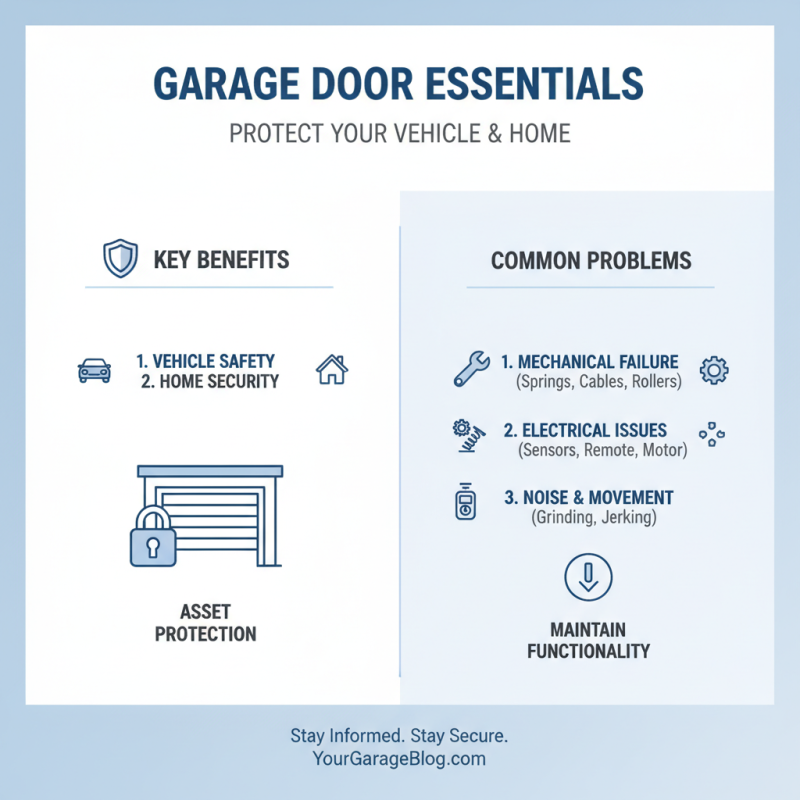
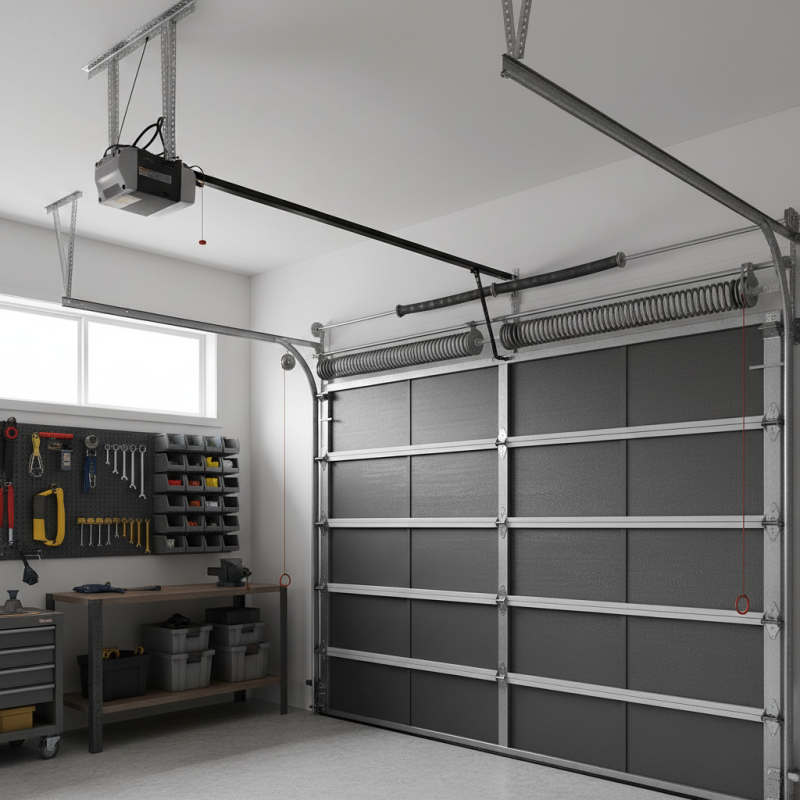
Garage doors operate through a system of springs, cables, and pulleys. When you press a button, the motor powers the opener, moving the door up or down. However, many homeowners underestimate the maintenance required for smooth operation. Regular checks on springs and tracks can prevent issues. Neglect can lead to malfunction or accidents.
Despite the convenience, garage doors can also present challenges. Over 20% of homeowners report problems with opening or closing. It's essential to address these issues promptly to avoid potential accidents. Understanding how a garage door works allows for better decisions regarding repairs and upgrades. Awareness and care can lead to a safer and more functional entryway.
What Is a Garage Door and Its Importance in Modern Homes
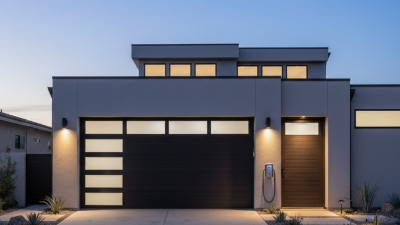
A garage door is more than just an entrance for vehicles. It plays a significant role in modern homes. It enhances security and adds aesthetic appeal. These doors come in various styles, materials, and sizes. They are designed to fit different architectural designs. A well-maintained garage door can improve your home’s value.
The importance of a garage door also lies in convenience. It grants easy access to your garage without stepping outside. This feature is especially useful during inclement weather. It creates a sheltered space for storage or hobbies. However, homeowners often overlook door maintenance. Regular checks can prevent costly repairs.
Tips: Keep your garage door clean and lubricated. Inspect it monthly for any signs of wear. Replace worn-out components promptly. This proactive approach can extend the life of your garage door and ensure its smooth operation. Don’t hesitate to seek professional help if needed.
Importance of Garage Doors in Modern Homes
This chart illustrates the importance of garage doors in modern homes based on five key dimensions: Security, Energy Efficiency, Aesthetic Appeal, Convenience, and Property Value. Each dimension is rated on a scale from 1 to 10, indicating its contribution to the overall functionality and appeal of a residential property.
Different Types of Garage Doors and Their Unique Features
Garage doors come in various styles, each with unique features to suit different needs. The most common types include sectional, roller, and side-hinged garage doors. Sectional doors are made of panels that slide up and down, saving space. They are popular due to their insulation properties and security features. Roller doors are compact and ideal for smaller garages. They roll up into a coil at the top. Side-hinged doors open outward, resembling traditional doors, and they offer classic charm.
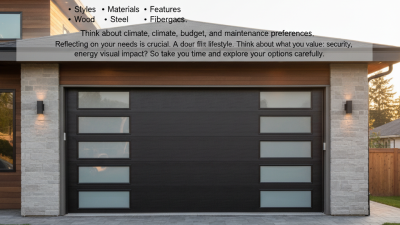
When choosing a garage door, consider practical factors. Material matters. Steel doors are durable, while wooden doors provide aesthetics. Think about insulation as well. An insulated door helps regulate temperature and save energy. Do you live in a noisy area? Sound insulation can be a priority.
Tips: Regular maintenance is key for longevity. Lubricate moving parts to prevent wear. Inspect seals and panels for cracks to maintain efficiency. If a door gets stuck, do not force it open. That could cause more damage. Sometimes, it’s best to pause and reflect on what you really need. A beautiful door matters. But so does functionality.
What is a garage door and how does it work? - Different Types of Garage Doors and Their Unique Features
| Type of Garage Door |
Material |
Insulation |
Operation Mechanism |
Unique Features |
| Sectional Garage Door |
Steel / Aluminum |
Yes |
Rolls up in sections |
Customizable, energy-efficient |
| Roll-up Garage Door |
Steel |
No |
Rolls up into a drum |
Space-saving, durable |
| Tilt-up Door |
Wood / Steel |
No |
Tilts upward on hinges |
Simple design, great for vintage aesthetics |
| Swing-out Garage Door |
Wood / Fiberglass |
Optional |
Opens outward on hinges |
Traditional look, customizable styles |
| Side-sliding Garage Door |
Aluminum / Vinyl |
No |
Slides to the side |
Ideal for short driveways, modern design |
Overview of Garage Door Components and Their Functions
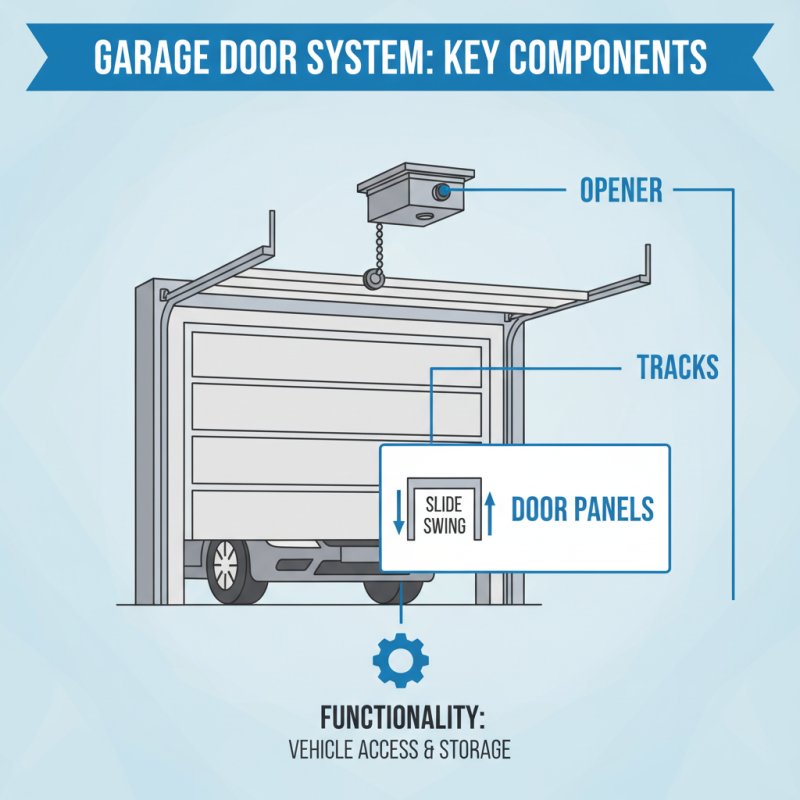
A garage door is a complex system that serves both functional and aesthetic purposes. Understanding its components can help homeowners appreciate their importance. Key parts include the door itself, tracks, rollers, and the opener. The door typically consists of panels that can either slide or swing open. This functionality allows for easy access for vehicles and storage.
The tracks guide the door as it opens and closes. They are crucial for smooth operation. Rollers fit into the tracks, allowing the door to move without friction. An industry report indicates that around 70% of garage door issues stem from these components. Regular maintenance is essential.
The garage door opener is another vital part. It provides the power to lift heavy doors, typically weighing between 150 to 300 pounds. Many openers rely on either chain, belt, or screw drive systems, each with its pros and cons. A malfunctioning opener can lead to frustrations. Homeowners must periodically check all components to ensure proper function. Ignoring small issues often leads to larger, costly repairs later.
How Garage Door Openers Work: Mechanisms and Types
Garage doors are essential components of most homes. They provide security and convenience for vehicle access. The mechanism behind garage door openers is fascinating. Various types operate differently, but they share common features.
Most openers use a motor that drives a belt, chain, or screw. The belt drive is quiet, ideal for homes near living spaces. Chain drives are robust and better for heavy doors, but they can be noisy. Screw drives work with fewer parts, making them easier to maintain. It's crucial to choose a type that fits your needs.
A key element is the safety sensor. It's designed to prevent accidents. If something blocks the door's path, it stops. However, they can sometimes malfunction. Regular maintenance helps avoid issues. Identifying problems early can save time and money. Ultimately, understanding these mechanisms can enhance your experience with your garage door.