10 Essential Tips for Choosing the Best Over Head Doors for Your Home?

Choosing the right over head doors can enhance your home's appearance and functionality. With various options available, it's essential to consider features that truly fit your needs. Many homeowners overlook crucial factors, leading to regrets later.

Before making a decision, think about material and insulation. Steel doors are durable, while wood offers warmth. Don't rush. Take time to evaluate styles that complement your home. The wrong choice can impact overall aesthetics. Pay attention to safety features as well. It's easy to overlook this detail during the selection process.

Installation is another aspect often underestimated. A poorly installed over head door can lead to issues down the road. Researching professional installers is key. Look for recommendations from neighbors or online reviews. Remember, a perfect fit means considering things like size and height. Each detail plays a significant role in your satisfaction.

10 Essential Tips for Choosing the Best Over Head Doors for Your Home?

Understanding Different Types of Overhead Doors Available for Homes

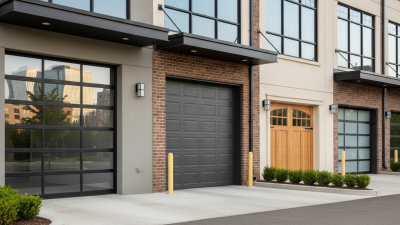
When choosing overhead doors for your home, understanding the types available is crucial. There are several options to consider. The most common types are sectional, roll-up, and tilt-up doors.

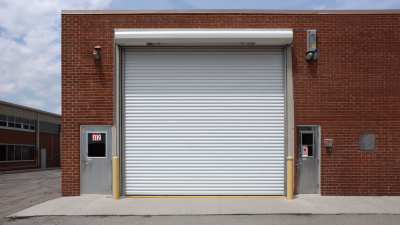
Sectional doors consist of multiple panels that slide up and down, offering great insulation and style. Roll-up doors, often used in garages, can save space and provide easy access. Tilt-up doors swing outward, making them simple and cost-effective.

Each type has its pros and cons. Sectional doors may require more maintenance, particularly their tracks. Roll-up doors could be less aesthetically pleasing, depending on the design. Tilt-up doors might face clearance issues in tight spaces. It's important to reflect on your home's layout and choose what fits best.

Consider the material too—steel, wood, and fiberglass differ in durability and appearance. Your choice should blend functionality with aesthetics. Balancing these factors can lead to regrets later if not carefully considered.
Key Features to Consider When Selecting Overhead Doors for Your Home

10 Essential Tips for Choosing the Best Over Head Doors for Your Home?

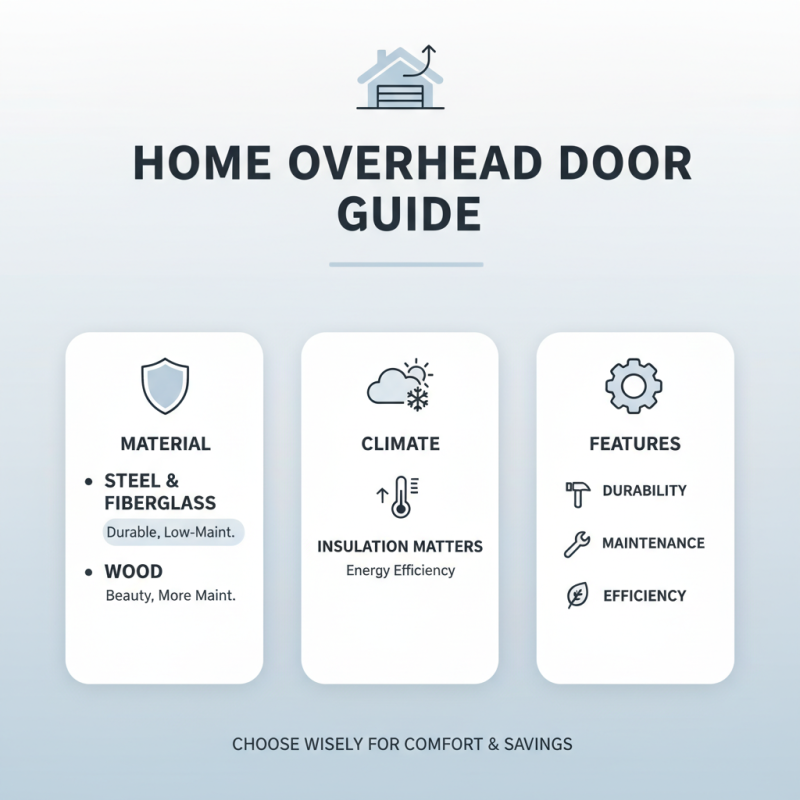
Choosing the right overhead door for your home involves careful consideration of several key features. One important aspect is the material. Steel and fiberglass are durable options that require less maintenance. Wood adds beauty but may need more upkeep. Think about your local climate, too. A well-insulated door can improve energy efficiency.

Next, consider the door's design. Match the style to your home's architecture for a cohesive look. Windows can enhance aesthetics but may reduce insulation. Think about security features as well. Strong locks and impact-resistant materials can deter intruders. While you may want something visually appealing, functionality should also weigh heavily in your decision.

Don't overlook the size and fit of the door. Measure your opening accurately to avoid surprises during installation. A poorly fitting door can invite pests and lead to drafts. Installation costs can vary, so researching this aspect is essential. Reflect on these features to find a door that not only looks great but serves its purpose effectively. Balancing beauty and practicality can be challenging, but it is vital for a decision you will live with for years.

Assessing the Material Options for Durability and Aesthetics

Choosing the right material for overhead doors is crucial for both durability and aesthetics. Wood, steel, and fiberglass are popular options. Each has its pros and cons. Wood offers warmth and charm, but it can warp or rot over time. Steel, on the other hand, is strong and secure but prone to rust if not properly treated. Fiberglass is lightweight and resistant to dents, but it may not have the same aesthetic appeal as wood or steel.

When assessing material options, consider your climate. In humid areas, wood might not be the best choice due to moisture. A steel door might serve you better, but be mindful of potential rusting. Pay attention to maintenance. Wood requires regular painting or staining, while steel needs occasional touch-ups. Think about your long-term needs. A door that looks great today might not suit your style tomorrow. Make sure to weigh durability against aesthetics.

Try to visualize how each material blends with your home’s design. A rustic home might benefit from wooden doors, while a modern design could be enhanced with sleek steel. Reflect on your lifestyle. If you have kids or pets, consider materials that can withstand wear and tear. Ultimately, the material you choose should align with your home's character while being practical for your everyday life.

Durability and Aesthetics of Overhead Door Materials

Importance of Insulation and Energy Efficiency in Overhead Doors

When selecting overhead doors, insulation and energy efficiency are vital. Proper insulation keeps your home warm in winter and cool in summer. An insulated door prevents heat loss and reduces energy bills. This is not just about comfort; it's about saving money.

Consider the R-value of the overhead door. A higher R-value indicates better insulation. However, many homeowners overlook this detail. They focus on aesthetics instead. It’s essential to balance style with functionality. Efficiency can be attractive too.

Tip 1: Choose materials that enhance insulation, like steel or fiberglass. Tip 2: Inspect the weatherstripping for gaps. This can significantly affect energy loss. Your door should be tight and secure. If not, think about upgrading.

Using overhead doors with good insulation makes a difference. It’s not just a purchase; it’s an investment in comfort and savings. You deserve a door that serves you well in many ways.

10 Essential Tips for Choosing the Best Over Head Doors for Your Home

Tip Description Importance of Insulation Energy Efficiency Rating
1. Assess Your Needs Consider the primary purpose of the overhead door. High insulation helps maintain indoor temperatures. R-value of 12 or higher is recommended.
2. Choose the Right Material Consider options like steel, wood, or fiberglass. Better materials provide better insulation. Look for doors with high thermal resistance.
3. Look for Energy Star Ratings Identify doors that meet energy efficiency standards. Insulated doors can help reduce energy bills. Choose Energy Star certified products.
4. Consider Local Climate Select doors that are suitable for your weather conditions. Proper insulation levels vary by climate. Higher ratings needed for extreme climates.
5. Measure Door Opening Accurately Ensure correct measurements for a proper fit. Better fit enhances insulation quality. Proper sealing improves energy performance.
6. Evaluate Style and Design Choose a style that complements your home. Aesthetics shouldn't sacrifice energy efficiency. Various options with energy efficient designs.
7. Research Safety Features Look for features like pinch protection and sensors. Improved sealing reduces drafts. Safety features may also improve insulation.
8. Check Warranty and Service Understand warranty terms and service agreements. Protects your investment in energy efficiency. Good warranty indicates product reliability.
9. Seek Professional Installation Ensure installation is done correctly by professionals. Quality installation enhances insulation benefits. Improvements in efficiency depend on proper fits.
10. Read Customer Reviews Gain insights from previous buyers. User experiences can highlight insulation quality. Look for feedback on energy efficiency.

How to Choose the Right Size and Style to Fit Your Home Design

Choosing the right size and style for overhead doors is crucial for your home. A well-fitted door enhances aesthetics while providing functionality. According to recent industry reports, improper sizing can lead to energy inefficiency and security issues. It is essential to measure the opening accurately. This often involves considering both width and height. A common mistake is overlooking the headroom and side room required for installation.


Style plays a major role in your home’s curb appeal. Different architectural designs call for specific door styles. For instance, modern homes often benefit from sleek, minimalist designs. Traditional homes may need more ornate styles to complement their character. Data suggests that homeowners should consider the door’s material as well. Steel, wood, and fiberglass each offer unique benefits. Steel is durable, while wood adds warmth. Fiberglass combines both qualities.


Yet, personal preferences can cloud judgment. Homeowners sometimes choose styles too quickly without considering compatibility with existing features. Aesthetic mismatches can detract from a home’s overall design. It's important to visually assess how new doors will integrate with facades, landscaping, and other elements. Taking the time to reflect on personal choices can yield a better outcome.

Go to Top