How to Choose the Right Photovoltaic Bracket for Your Needs?
Choosing the right Photovoltaic Bracket is crucial for maximizing solar energy efficiency. Proper support ensures that solar panels operate optimally. According to the International Renewable Energy Agency, solar energy capacity worldwide reached over 500 GW in 2020, emphasizing the growing need for reliable mounting solutions.
Photovoltaic Brackets come in various types, shapes, and materials. Selecting the best option can be daunting. A study by the National Renewable Energy Laboratory indicates that improper installation can decrease system performance by up to 20%. This highlights the importance of understanding your specific needs before making a decision.
Ultimately, the right Photovoltaic Bracket should match your environment and application. Research is key. However, many people overlook critical factors such as wind load and terrain. Making informed choices can lead to a more efficient solar setup. Understanding the nuances in bracket selection reflects a deeper commitment to sustainable energy practices.
Understanding Photovoltaic Brackets: Types and Functions
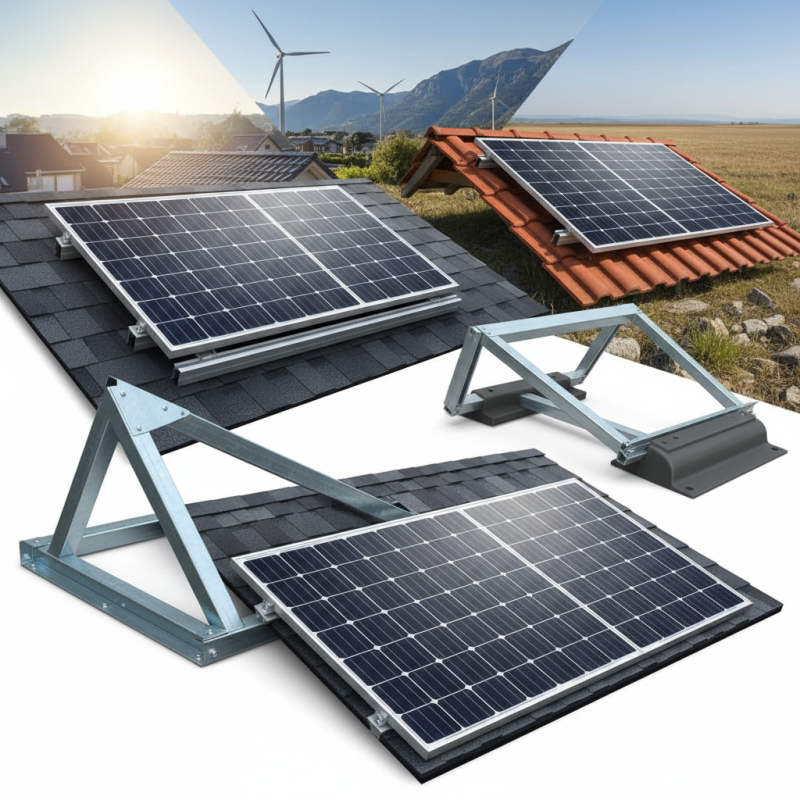
Photovoltaic brackets are essential for solar panel installations. They support the panels and determine their efficiency. Different types of brackets serve various purposes. Fixed brackets are common for residential rooftops. They hold panels at a specific angle, maximizing sunlight exposure. Adjustable brackets, however, allow for angle changes over time.
Ground-mounted brackets are popular in larger installations. They offer flexibility in panel positioning. Researchers estimate that the right bracket can increase energy capture by up to 20%. This makes choosing the right type crucial. Furthermore, non-optimized bracket systems risk underperformance. Surveys indicate that nearly 30% of installations underperform due to poor mounting systems.
Installation conditions also play a role. Brackets must withstand wind loads and snow accumulation. In some regions, failure to account for these factors has led to structural issues. Regular maintenance checks can identify early signs of wear. The right research and planning are vital for long-term success. Ultimately, choosing appropriate brackets can lead to significant energy savings.
Factors to Consider When Choosing a Photovoltaic Bracket
When choosing a photovoltaic bracket, several factors come into play. The material of the bracket is crucial. Common options include aluminum and galvanized steel. Aluminum is lightweight and resistant to corrosion. However, it may not be as durable as steel. On the other hand, galvanized steel offers strength but can be heavier and may require more maintenance. According to industry reports, about 30% of solar installation issues stem from inadequate mounting systems.
The environmental conditions where the brackets will be installed are important. High winds or heavy snowfall can impact the choice. Some brackets are designed to withstand extreme weather. It’s vital to consult local building codes. Many regions have specific requirements for solar installations. Overlooking these can lead to costly issues down the line.
Cost-effectiveness is another key consideration. While cheaper brackets may save money now, they might not last as long. A study by the Solar Energy Industries Association indicated that investing 15% more upfront can increase the lifespan of solar systems by up to 20%. Neglecting the long-term effects can undermine overall savings. Focus on quality, considering both immediate and future needs.
Factors to Consider When Choosing a Photovoltaic Bracket
Analyzing Your Solar Panel Specifications for Compatibility
When choosing a photovoltaic bracket, you must consider your solar panel specifications. Assessing the size and weight of your panels is crucial. Each panel has a different structure. Some may be heavier, while others are lighter. This variability affects the choice of the bracket material.
Compatibility is key. Measure the dimensions of your solar panels carefully. If the bracket is too small, it may not support the panel well. A larger bracket can lead to inefficient energy production. Look into the tilt angle as well. Different installations require varying angles for optimal sunlight capture.
It's easy to overlook these details. Some brackets may fit poorly or lead to increased wear over time. Reflect on your environment, too. Are there high winds or heavy snowfall? Such factors can influence your choice. Not all brackets can withstand extreme weather. A knee-jerk reaction might lead to a hasty decision. Take your time to ensure compatibility and durability.
How to Choose the Right Photovoltaic Bracket for Your Needs?
| Parameter | Description | Recommended Bracket Type |
| Panel Size | Standard size is usually 1650mm x 992mm | Fixed Tilt Bracket |
| Panel Weight | Weight varies, commonly around 18-25 kg | Heavy-Duty Adjustable Bracket |
| Mounting Location | Rooftop or Ground installation | Rooftop Mount or Ground Mount |
| Tilt Angle | Optimal angle for solar panel exposure | Adjustable Angle Bracket |
| Material | Aluminum or Steel for durability | Corrosion-Resistant Bracket |
| Wind Load Rating | Brackets rated for local wind speeds | High Wind Load Bracket |
| Compatibility | Check if bracket fits specific panel types | Universal Mounting Bracket |
Evaluating the Environmental Conditions for Bracket Selection
Selecting the right photovoltaic bracket involves understanding your unique environmental conditions. Temperature and wind speed are crucial factors. For example, regions with high winds may require sturdier, more reinforced brackets. Conversely, areas with moderate climates could use lighter materials. Take note of local climate patterns.
Consider sunlight exposure too. If your site has frequent shading, choose brackets that allow for optimal panel angles. A tilted installation could catch more sunlight, improving energy efficiency. However, this might not be suitable for flat surfaces. Assess your specific situation to avoid poor decisions.
Don’t overlook snow loads either. In snowy areas, brackets must withstand the weight. This factor can influence the choice significantly. Test different placements and angles under various conditions to see what works best. Sometimes, the ideal setup is not what you'd expect. Adapt and refine your strategy based on real-world outcomes.
Cost vs. Durability: Making an Informed Decision on Brackets
When selecting a photovoltaic bracket, the balance between cost and durability is crucial. According to a recent report by the International Renewable Energy Agency (IRENA), nearly 50% of solar panel failures are due to inadequate mounting solutions. Therefore, understanding the material quality and design is essential. Cheaper brackets might save immediate costs but can lead to higher expenses over time due to replacements.
Durability often hinges on the materials used. Aluminum brackets are lightweight and resistant to corrosion. They can last up to 25 years with proper maintenance. On the other hand, steel brackets, though more robust, can be prone to rust in certain conditions. A poorly chosen bracket may cause misalignment or even structural failures, leading to loss of energy production. Industry research indicates that investing an additional 10-15% in higher quality brackets can yield energy efficiencies of around 5-10% over the product lifespan.
Think about the environment as well. Regions with heavy snow or wind loads need robust brackets. In contrast, a milder climate may allow for lighter options. Neglecting to consider local weather conditions could result in overspending or damage. Thus, weighing cost against durability and suitability is vital for a successful solar installation.