When selecting the right overhead doors for your space, understanding your unique needs is essential. Industry expert John Peters notes, “Choosing the correct overhead door can boost efficiency and security.” This highlights the importance of finding a suitable door that complements your environment.
Consider the functionality of the overhead doors. Will they be primarily for commercial or residential use? Each context demands different features and designs. Durability is another factor. High-quality materials will withstand the test of time and usage. Yet, many overlook maintenance costs that can accrue over time.
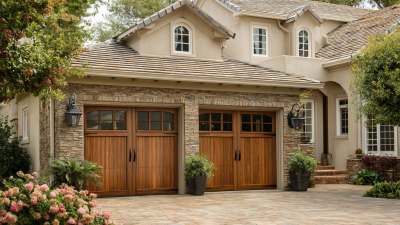
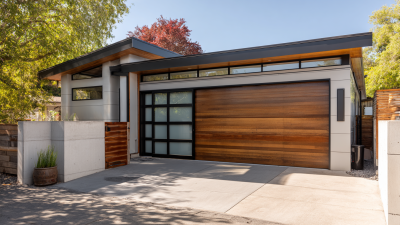
Aesthetic appeal is also vital. The appearance of overhead doors can impact the overall look of your property. Choose a style that reflects your brand or personal taste. It’s important to think deeply about these choices, as the wrong door might lead to regret down the line. Balancing practicality with visual charm is not an easy task but is crucial for lasting satisfaction.
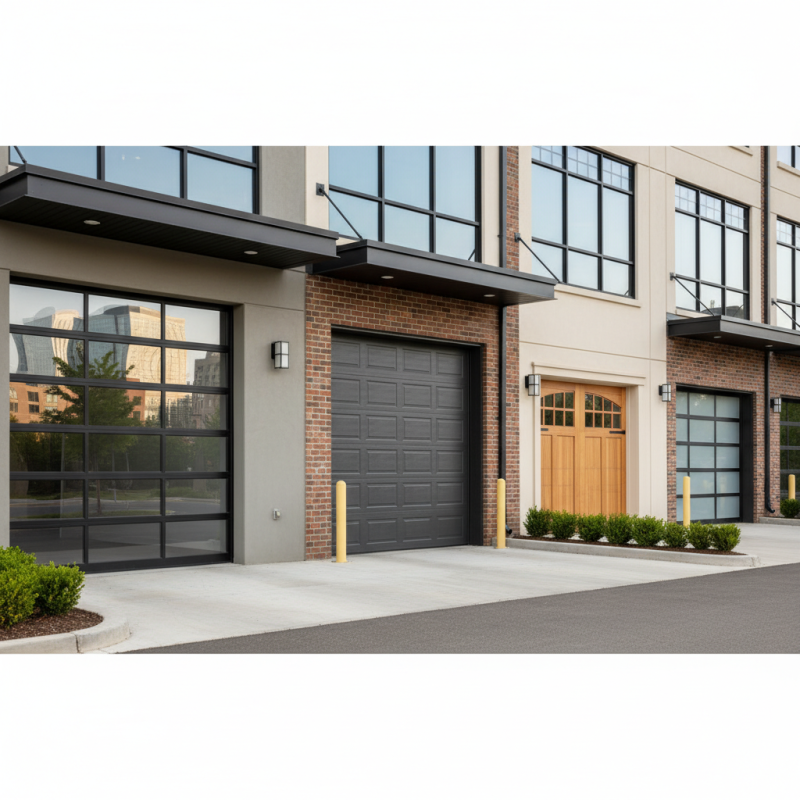
Choosing the right overhead doors can significantly impact your space. Consider the purpose of the doors. Will they be used for a garage, warehouse, or commercial building? The functionality should match your needs. For example, heavy-duty doors work well in a warehouse but may not be suitable for a home garage. Different door materials offer various benefits. Steel offers strength, while wood provides aesthetic appeal.
Additionally, think about insulation. If energy costs are a concern, insulated doors can help maintain temperatures. Noise levels also matter. A quiet door mechanism is essential, especially for residential areas. Some doors may rattle or vibrate, causing disturbances. If you’re unsure, it can be helpful to consult with professionals. Sometimes, measurements can be tricky and lead to errors.
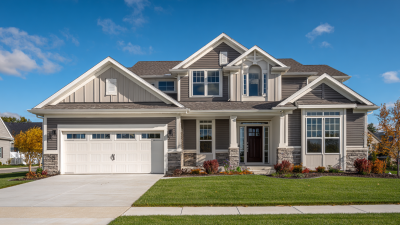
Finally, examine the aesthetics. Overhead doors should complement the building's design. Color and style choices impact the overall look. A mismatch can detract from your space’s appeal. Pay attention to maintenance requirements too. Some materials need more care. It’s a balancing act of style, cost, and upkeep. Reflecting on these factors can guide you to make a better choice.
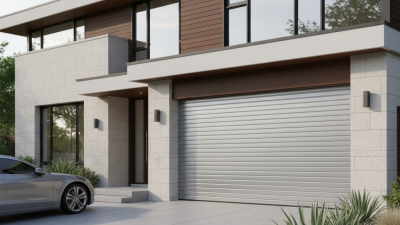
When selecting overhead doors, understanding their types is essential. There are various styles available, each suited for different needs. Roll-up doors are often favored for small spaces. They save room as they roll neatly into a coil. Sectional doors are robust and versatile, ideal for warehouses. They consist of several panels that fold up. Such doors are great for high-traffic areas.
Another popular type is the sliding door. These are excellent for larger openings and can add a modern touch. They glide smoothly along tracks. This design can be both functional and stylish. However, maintenance can be tricky. Regular cleaning is necessary to keep the tracks clear.
While choosing overhead doors, consider insulation options. Some doors offer excellent insulation, which can help in energy savings. However, think about the climate in your area. A poorly fitted door can lead to drafts and energy loss. Aesthetic is also key. The door should align with your overall space décor while being practical. Balancing functionality and appearance often requires reflection. Making the right choice can enhance both utility and charm in your facility.
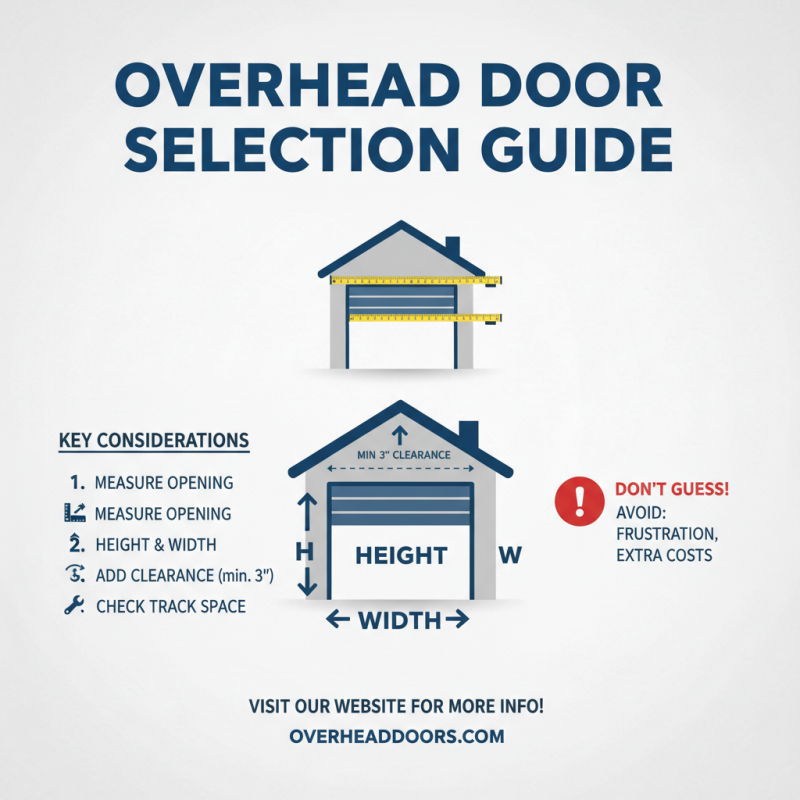
When selecting overhead doors, understanding size and space requirements is crucial. Measure your opening carefully. Note the height and width. Ensure you have at least a few extra inches for clearance. These details can sometimes make a big difference. If your door doesn’t fit, it can create frustration and additional costs.
Consider the height of your vehicle too. Garage doors should accommodate any SUVs or trucks you own. If you plan to store large equipment, factor that in as well. Doors may need to be higher than standard sizes. It’s easy to overlook this, but it’s vital.
Think about the surrounding area. Are there any obstructions like beams or shelves? These could affect the door's operation. A door that doesn't open fully due to space constraints can be a pain. It’s important to allow for smooth movement and accessibility. Take your time with these measurements. It’s worth the effort to avoid headaches later on.
When selecting overhead doors, insulation and energy efficiency are critical factors. A well-insulated door can significantly reduce energy costs. According to the U.S. Department of Energy, insulated garage doors can save homeowners around $200 annually on energy bills. With rising energy prices, these savings are increasingly important.
The R-value of the door indicates its thermal efficiency. Doors with higher R-values provide better insulation. For instance, a door with an R-value of 13 provides nearly double the insulation of a door with an R-value of 6. This difference impacts both comfort and energy expenses. However, many homeowners overlook this aspect, focusing mainly on price or style instead of efficiency.
A poorly insulated overhead door can lead to drafts and fluctuating temperatures. This creates an uncomfortable environment and increases heating and cooling costs. It's essential to think carefully about insulation options. Reflective insulation may work better in warmer climates, while solid core insulating materials may be more effective in colder regions. Understanding these details can lead to better long-term decisions.
| Door Type | Insulation Rating (R-Value) | Energy Efficiency Level | Ideal Use |
|---|---|---|---|
| Steel Insulated Door | 14 - 18 | Excellent | Commercial, Cold Storage |
| Fiberglass Door | 9 - 14 | Good | Residential, Humid Areas |
| Wooden Door | 5 - 10 | Moderate | Residential, Aesthetic Appeal |
| Roll-Up Door | Various | Variable | Warehouses, Industrial Spaces |
| High-Performance Door | Up to 20 | Excellent | High Traffic, Temperature-Controlled Areas |
When selecting overhead doors, budgeting plays a crucial role. Costs can vary widely based on materials, size, and features. Steel doors may appear cheaper upfront but could lead to higher maintenance costs over time. Wooden doors provide aesthetic appeal but can also demand more attention to upkeep. It’s essential to weigh these factors against your budget.
Consider the installation costs, which might be hidden. DIY installation can save money but requires skill and tools. Hiring professionals may add to your budget but can ensure proper fitting and functionality. Think about long-term savings too. Energy-efficient doors may cost more initially but can lower energy bills in the future.
Evaluate how often the doors will be used. Heavy-duty options might be necessary for high-traffic areas. However, this can significantly increase expenses. It’s easy to get caught up in features and forget about overall costs. Reflect on your needs versus your budget limits to avoid overspending. Balancing quality and affordability is key for a successful choice.