How to Choose the Right Garage Door for Your Home?
Choosing the right garage door can transform your home's appearance and enhance its security. According to industry expert Mark Thompson, “A garage door isn’t just an entrance; it's a key part of your home’s personality.” With so many options available, this choice can indeed feel overwhelming.
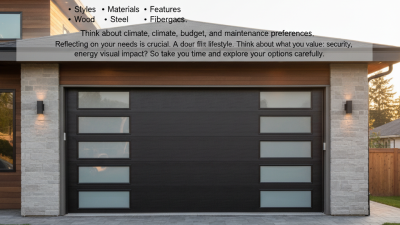
When selecting a garage door, consider materials, color, and style. Wood offers warmth, while steel provides durability and security. Each material has its pros and cons. The wrong choice could lead to maintenance headaches or a lack of curb appeal. Think about how the door complements your home’s architecture.
Budget is another critical factor. A beautiful door can be costly, but there are affordable options too. It's essential to balance quality and cost. Reflect on long-term satisfaction rather than immediate savings. Ultimately, the right garage door will enhance both functionality and aesthetics for years to come.
Understanding Your Garage Door Options: Types and Materials
When selecting a garage door, consider types and materials carefully. There are many options available. Popular types include sectional, roller, and tilt-up doors. Each type has its benefits and drawbacks. For example, sectional doors offer great insulation but can be more complex to install. Roller doors are easy to operate but might not provide the best insulation.
Material choice also impacts functionality and aesthetic. Steel doors are durable and low-maintenance. Wood doors provide a classic look but require regular upkeep. Fiberglass doors resist dents and rust but may not be as sturdy as steel. Consider your local climate when choosing materials. Harsh weather can affect door longevity.
Tips: Think about your budget early. Different types and materials can affect pricing. Research local building codes. Some areas have specific requirements for garage doors. Also, assess your garage's overall style. Matching your door with your home's architecture can enhance curb appeal. Don't rush this decision. Take time to explore your options.
Assessing Your Home's Style and Aesthetic Preferences
Choosing the right garage door starts with understanding your home's style. Your garage door is a prominent feature. It can enhance or detract from your home's aesthetic. According to a 2021 Remodeling Impact Report, a new garage door can offer an average ROI of 93%. This shows its value in home improvement.
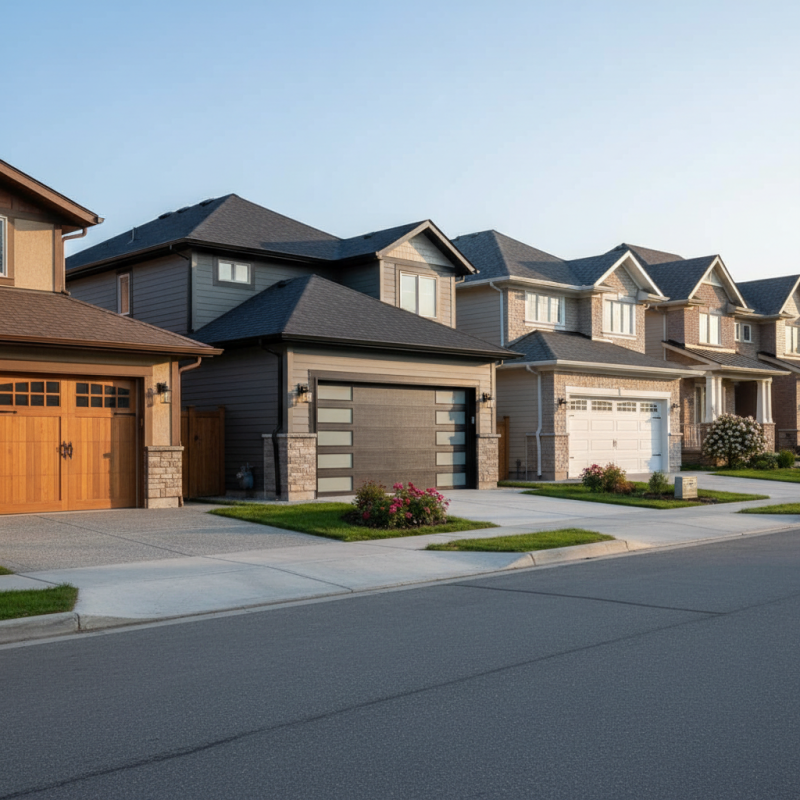
Consider the architectural style of your home. Are you in a modern neighborhood or a classic one? A contemporary door might clash with a Victorian house. In contrast, traditional wood designs complement Craftsman-style homes very well. Think about your exterior colors too. A contrasting door can provide a striking look. But it can also overwhelm the overall design.
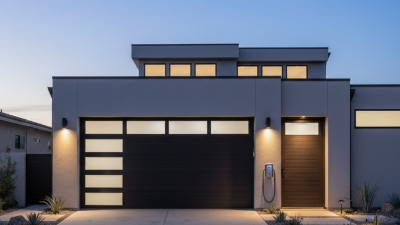
Lighting plays a crucial role in this choice. A glass-panel door allows natural light in, creating a pleasant ambiance. However, it may expose your garage's clutter. Similarly, dark doors may absorb heat. But a bright door can brighten gloomy days. Each choice influences your home’s curb appeal. Reflect on your style and needs. Remember, it's about balance and harmony. Make choices that resonate with your vision for your home.
How to Choose the Right Garage Door for Your Home?
This chart displays the popularity of various garage door styles based on aesthetic preferences. Traditional styles are the most favored, while rustic options are the least popular among homeowners.
Measuring Your Garage Opening for the Perfect Fit
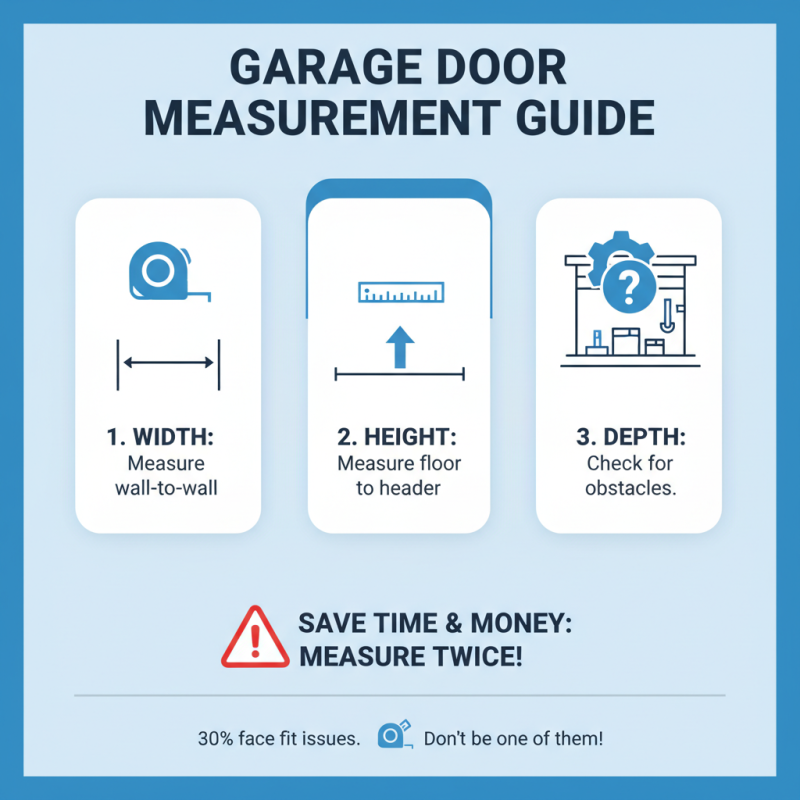
Measuring your garage opening accurately is crucial for selecting the right garage door. According to a report from the Door and Access Systems Manufacturers Association, nearly 30% of homeowners face issues with fit due to improper measurements. To avoid this, take precise measurements of both the width and height of the opening. Don’t forget to check depth, especially if the garage has structural or mechanical components inside.
Use a level for vertical measurements. Measure from the top of the opening to the floor. Be mindful of any obstructions like light fixtures or shelving. A small error can lead to complications. Homeowners often underestimate the importance of allowing extra clearance for door mechanisms. The average garage door can require up to 3 inches of additional space above the opening for tracks and springs.
It’s essential to double-check your measurements. Even slight variations can affect installation. A report from the Home Improvement Research Institute noted that improper measurements can lead to increased installation costs. Plus, a poorly fitting door may compromise energy efficiency. Homeowners might think one measurement is enough, but it's advisable to measure at least three times to ensure accuracy.
Evaluating Insulation and Energy Efficiency Features
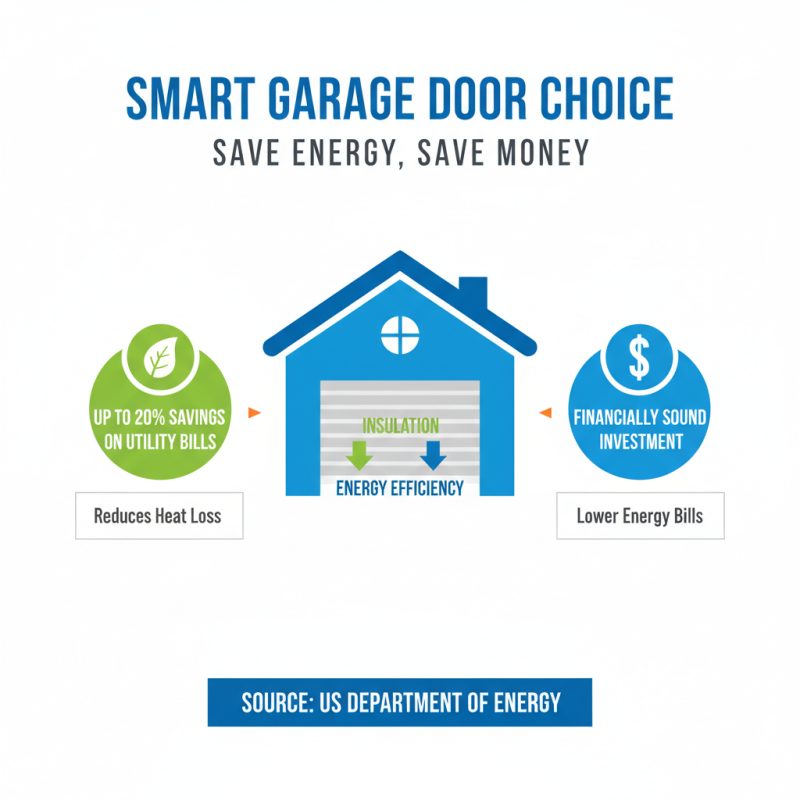
When selecting a garage door, insulation and energy efficiency are crucial factors. According to the U.S. Department of Energy, insulated garage doors can reduce energy loss, leading to lower utility bills. A well-insulated door can save homeowners up to 20% on heating and cooling costs. This means investing in the right door isn’t just a stylistic choice—it’s financially sound.
Insulation also plays a role in maintaining a comfortable home environment. A garage door with an R-value of 10 or higher is effective at keeping heat in during winter and cool air during summer. However, not all insulated doors perform equally. Some models may feature only minimal insulation, which could lead to energy inefficiencies.
While energy efficiency features sound ideal, one must consider their garage's location and usage. A detached garage may not necessitate the same investment in insulation as one directly connected to the house. This leads to the question: is the added cost worth it? Sometimes, reflecting on your unique circumstances is essential for making the best decision. Not every garage door will meet every homeowner’s needs perfectly.
Considering Budget and Maintenance Requirements
When selecting a garage door, it's essential to factor in your budget and maintenance requirements. A reliable garage door should suit your financial plan while meeting your practical needs. Different materials come with varying costs. Steel doors are durable but may require occasional repainting. Wooden doors are stylish, yet they demand more upkeep.
Consider repair costs too. A complicated door may have higher maintenance expenses. Think about how often you'll use the door. An automatic option might be convenient, but it can increase your spending. Regular inspections should be part of your maintenance routine. Look for signs of wear over time.
A balance between looks and practicality is vital. A beautiful door enhances curb appeal, but if it needs constant repairs, it might frustrate you. Choosing a door that fits your lifestyle and budget can be challenging. Spend time comparing options before making your decision. Avoid rushing the process; the right choice should feel right for your home.