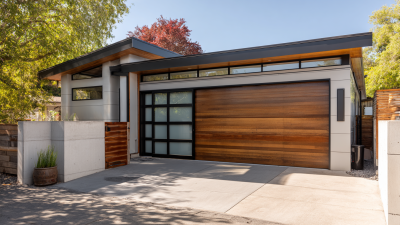
2026 How to Choose the Best Overhead Garage Door for Your Home?
Choosing the right overhead garage door for your home is essential. This decision impacts both security and curb appeal. With so many options, it can be overwhelming. Factors include style, material, and insulation. Each element plays a crucial role in functionality.
Many homeowners overlook specific details. For instance, the durability of materials matters. Steel may be strong, but wood can add warmth. Insulation levels also vary significantly, affecting energy costs. A poorly insulated door can lead to higher bills.
Consider your budget carefully. A premium overhead garage door may seem appealing. Yet, it might not be necessary for all homes. Investing wisely means balancing quality and cost. Choose a door that complements your home while meeting your needs. Reflect on what value you truly seek.
Factors to Consider When Choosing an Overhead Garage Door
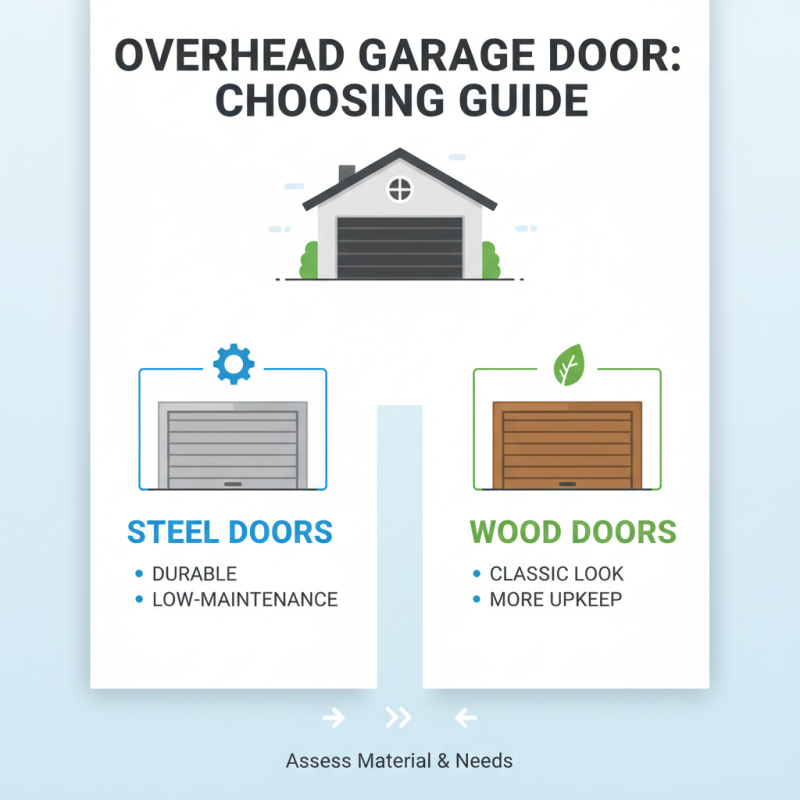
Choosing the best overhead garage door for your home involves careful consideration of several crucial factors. First, assess the material. Steel doors are durable and low maintenance. Wood doors provide a classic look but require more upkeep. Each material has its pros and cons that suit different needs.
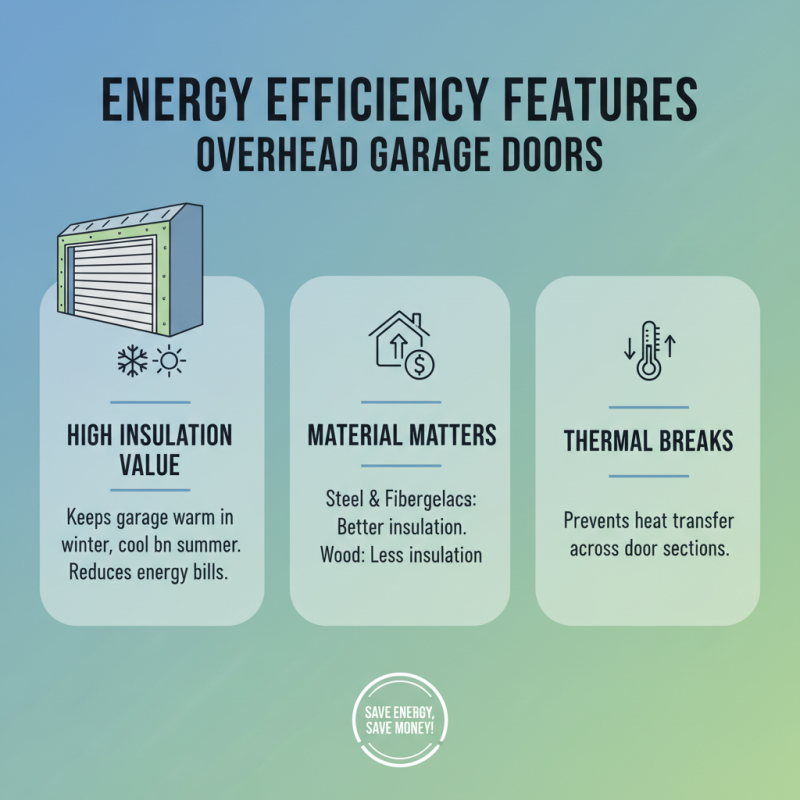
Consider the door's insulation. Insulated doors keep your garage climate-controlled, ultimately saving on energy. This is important if you use your garage as a workspace or for storage. Next, think about the door’s design. Style and color should complement your home’s exterior. Even a minor mismatch can affect curb appeal.
Don’t overlook safety features. Modern garage doors offer advanced security options. Look for automatic reverse mechanisms and tamper-proof designs. Reflect on how often you use your garage and the importance of these features. Investing in the right door now can save you hassle later.
Types of Overhead Garage Doors: Pros and Cons
When choosing an overhead garage door, understanding the types is crucial. Each type offers unique advantages and drawbacks. For example, sectional doors consist of multiple panels that curve when opening. They are popular for their space-saving design. These doors provide good insulation and security but can be complex to repair if damaged.
Roll-up doors are another option. They roll up into a compact coil overhead, making them ideal for tight spaces. However, their insulating capabilities may be less effective than sectional doors. Maintenance can be challenging, as the mechanisms can wear out over time.
Wood doors offer aesthetic appeal and variety. They can complement a home’s exterior. Yet, wood requires regular maintenance to prevent warping or rotting.
Choosing the right door might not be straightforward. Some homeowners prioritize aesthetics, while others focus on functionality. It's vital to weigh the pros and cons. Cost also factors into the decision. Remember, you may need professional help for installation and repairs. Exploring different styles might open new possibilities for your garage but also lead to indecision.
Materials Used in Garage Doors and Their Impact on Durability
Choosing the right materials for your garage door can greatly impact its durability.
Steel, wood, and fiberglass are common options,
each with unique strengths and weaknesses. Steel is highly durable and resistant to dents, but may rust if not properly coated.
Wood offers a classic aesthetic, but requires regular maintenance to prevent warping.
Fiberglass is lightweight and resistant to corrosion, but it can crack in extreme temperatures.
When selecting materials, consider the local climate. In humid areas, wood may not be the best choice.
Steel doors may need a protective layer to withstand salt in coastal regions. Think about your home’s architecture too.
A mismatch can detract from curb appeal.
Tip: Always check the warranty offered by manufacturers.
A longer warranty can indicate better quality.
Also, balance aesthetics with functionality. While a beautiful door adds charm, it shouldn't compromise security.
Unattended, aging materials can lead to costly repairs or replacements.
Regular inspections are crucial. Consider all these factors for a balanced decision that suits your needs.
How to Measure Your Garage Space for the Perfect Fit
Measuring your garage space is crucial for selecting the right overhead garage door. Start by measuring the width and height of your opening. Use a tape measure for accuracy. It's best to measure in multiple spots to catch any inconsistencies. Your garage may have slight variations in size due to settling or construction.
Consider the door's track system as well. A standard door typically requires additional clearance above the opening. Take note of any obstructions like pipes or beams in the way. You might need to alter your space or choose a different door type based on these measurements. A little oversight can lead to a door that doesn’t fit properly.
Finally, remember to account for insulation if that is important to you. Insulated doors may require more space. Check your garage's structure if you plan to insulate. Measuring correctly can save time and money in the long run. Reflect on past experiences where rushed measurements led to fitting issues. Adequate preparation is key to a successful installation.