How to Choose the Best Over Head Doors for Your Home or Business
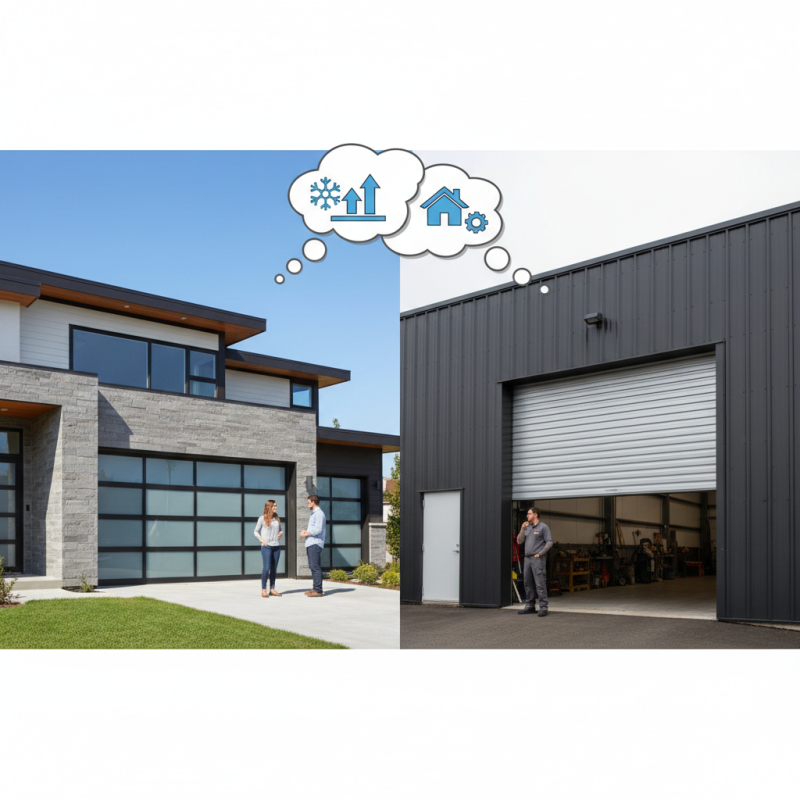
When selecting over head doors for your home or business, several important factors come into play. The right doors can enhance security, improve aesthetics, and offer convenience. Yet, the choice can feel overwhelming.
Consider your specific needs before diving into options. Think about the material, design, and size. Each decision impacts durability, insulation, and appearance. Over head doors vary greatly. Some might look great but offer little in terms of functionality. Aesthetics should not overshadow practicality.
Evaluate what suits your space best. You may need to reflect on your priorities. Will you prioritize energy efficiency or a sleek design? Each choice has its trade-offs. It’s crucial to find the right balance. Ultimately, your selection should meet both your personal taste and practical requirements.
Understanding the Different Types of Overhead Doors and Their Uses
When selecting overhead doors, understanding their types is essential. The most common options include rolling doors, sectional doors, and tilt-up doors.
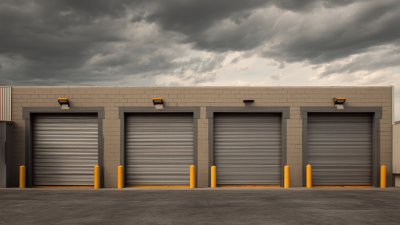
Rolling doors are ideal for tight spaces. They roll upwards, saving room. Sectional doors consist of multiple panels, providing insulation and better aesthetics. Tilt-up doors have a single panel and are straightforward to operate.
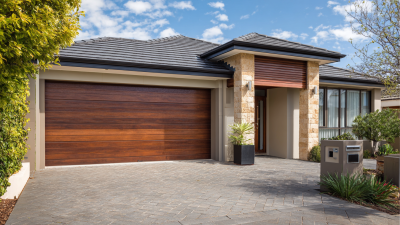
According to a recent industry report, nearly 30% of businesses prefer insulated overhead doors. They provide energy efficiency. This is especially critical in places with extreme temperatures. For homes, aesthetics play a significant role. Garage doors can enhance curb appeal. A well-chosen door complements the architecture of your home.
Tips: Consider the door's material—steel, wood, or fiberglass—based on maintenance and durability. Look for models that offer safety features. They reduce the risk of accidents. Lastly, think about the door's energy efficiency. The initial investment may be more, but savings on energy costs can be significant. Some past buyers regret not prioritizing insulation features, leading to higher bills. Don't make that mistake.
Evaluating Material Options for Durability and Energy Efficiency
When choosing overhead doors, material options play a crucial role in durability and energy efficiency. Common choices include steel, wood, fiberglass, and aluminum. Steel is known for its strength. However, it may rust in humid environments. Wood offers aesthetic appeal but requires regular maintenance. It may warp or crack over time. Fiberglass is lightweight and resistant to dents but can become brittle. Aluminum is corrosion-resistant, yet it can be less insulating.
Energy efficiency is also vital. Insulated doors can help reduce energy costs. They maintain indoor temperatures better than non-insulated options. Check the R-value before deciding on insulation. Higher R-values indicate better energy performance. Still, budget constraints might limit your choices. You may need to prioritize between cost and efficiency.
Think about long-term use. Evaluate how each material performs under your specific conditions. Observe your environment. Consider temperature fluctuations and moisture levels. These factors could impact your decision. It’s easy to overlook durability for visual appeal. Reflect on maintenance needs and replacement timelines. Your choices matter. They affect comfort, costs, and aesthetics.
Key Features to Consider for Security and Insulation Ratings
When choosing overhead doors, security and insulation are critical.
Consider the material of the door. Steel is strong and durable, providing excellent protection.
Wooden doors look appealing but may not offer the same level of security.
A solid core door may be a good compromise, but it can be more expensive and heavier to operate.
Next, examine insulation ratings. The R-value indicates how well a door can retain heat. Higher R-values mean better insulation.
If you're in a colder climate, this feature is vital. Look for doors with double or triple layers of insulation. They can significantly reduce energy costs.
Don't forget about the locking mechanism. A robust locking system is essential for security.
Weak locks are an invitation for intruders. Ensure locks are durable and resistant to tampering.
Consider adding additional features like motion sensors for enhanced security.
Assessing Installation Costs and Maintenance Requirements
When considering overhead doors, installation costs and maintenance requirements are crucial factors. According to a recent industry report, average installation costs can range from $500 to $1,500, depending on the door type and complexity of the installation. Many homeowners find themselves surprised by these costs, especially if unexpected structural adjustments are needed. It's vital to budget adequately.
Maintenance, on the other hand, is often overlooked. Regular servicing can extend the lifespan of overhead doors by several years. A study found that doors requiring consistent maintenance average lower repair costs over time. However, many neglect this aspect. Simple tasks like lubricating hinges or checking weather stripping can prevent costly future repairs. Even minor issues, if ignored, can lead to significant damage.
Choosing the right overhead door involves a long-term perspective. A door may seem inexpensive at first, but its overall maintenance costs matter. You might save a lot initially but pay later. Investing in a durable door can lessen repairs and replacements. Think of the future and choose wisely.
Installation Costs and Maintenance Requirements of Overhead Doors