Why Choose Soft Silicone Hose for Your Industrial Needs?
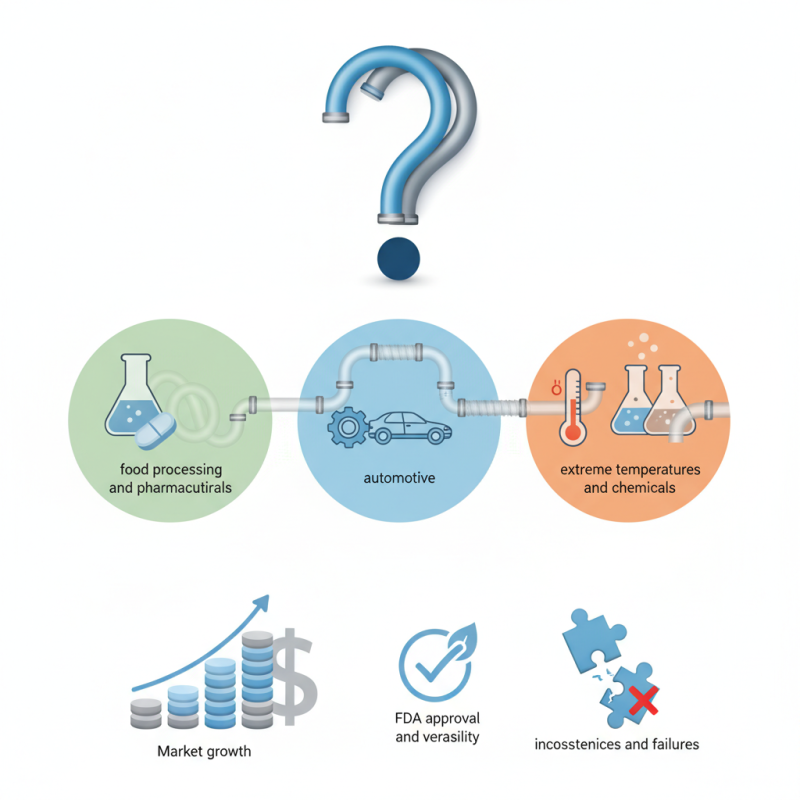
In today's industrial landscape, the choice of materials can impact both performance and safety. Soft Silicone Hose has emerged as a vital component for various applications. According to industry reports, the global silicone market is projected to reach $30 billion by 2025. This growth is driven by the material’s versatility and durability.
Industries such as food processing, pharmaceuticals, and automotive extensively use Soft Silicone Hose. It offers excellent resistance to extreme temperatures and various chemicals. The FDA approves many silicone products, ensuring safety in sensitive applications. Additionally, its flexibility aids in intricate assembly designs.
Still, not all silicone hoses are created equal. There can be inconsistencies in product quality, affecting performance. Some consumers may overlook this, leading to costly failures. Recognizing these nuances is essential for making informed decisions. A reliable supplier can play a critical role in navigating these complexities.
Benefits of Soft Silicone Hose in Industrial Applications
Soft silicone hoses offer numerous advantages in industrial applications. One key benefit is their flexibility. These hoses can bend without breaking, making them ideal for tight spaces. This flexibility helps in easier installation and reduces the chances of kinks or blockages.
Another important aspect is temperature resistance. Soft silicone hoses endure extreme temperatures, both hot and cold. They maintain their performance in environments that would damage other materials. This durability is crucial for industries like automotive and food processing, where temperature fluctuations are common.
Moreover, soft silicone hoses are often more chemically resistant than traditional hoses. They can handle a variety of fluids without degrading. This can enhance safety by preventing leaks, which is vital in industrial settings. However, it’s important to note that while silicone hoses have many benefits, they sometimes require careful handling to avoid tears. Users should regularly inspect hoses to ensure their longevity and performance.
Cost-Effectiveness of Soft Silicone Hose Compared to Alternatives
When considering industrial hoses, soft silicone hoses stand out for their cost-effectiveness. These hoses offer flexibility and durability, essential for various industrial applications. Compared to traditional rubber hoses, soft silicone options often reduce material costs significantly.
The manufacturing process of soft silicone hoses often results in lower overhead, making them affordable. This financial advantage attracts many industries looking to manage their budgets efficiently. Additionally, soft silicone hoses are resistant to extreme temperatures and chemicals, which can decrease replacement costs over time. They last longer and perform well under stress, which saves money on maintenance.
However, some might wonder about their performance under specific conditions. It's important to evaluate whether soft silicone hoses meet your unique requirements. Their flexibility may not be suitable for every scenario, so conducting thorough testing is crucial. While these hoses shine in many applications, careful consideration will ensure you're making the right choice for your needs.
Why Choose Soft Silicone Hose for Your Industrial Needs? - Cost-Effectiveness of Soft Silicone Hose Compared to Alternatives
| Material Type | Cost per Meter ($) | Temperature Resistance (°C) | Flexibility Rating | Lifespan (Years) | Applications |
| Soft Silicone Hose | $5.00 | -60 to 200 | High | 10 | Food Industry, Medical, Automotive |
| PVC Hose | $3.50 | -10 to 60 | Medium | 5 | Irrigation, Low-pressure Applications |
| Rubber Hose | $4.00 | -20 to 100 | Low | 8 | Hydraulic Systems, General Purpose |
| Reinforced Silicone Hose | $6.50 | -80 to 260 | Very High | 12 | Aerospace, High-performance Applications |
Temperature and Chemical Resistance of Soft Silicone Hose
Soft silicone hoses are increasingly favored in industrial applications due to their exceptional temperature and chemical resistance. These hoses can withstand temperature ranges from -100°F to 500°F. This capability makes them ideal for various industrial contexts, from manufacturing to food processing. A study by the Society of Plastics Engineers noted that silicone’s stability at high temperatures exceeds many other materials, ensuring effective performance under stress.
Moreover, soft silicone hoses are resistant to a wide array of chemicals. They are often compatible with oils, acids, and laboratory reagents. This versatility is highlighted in a report by the American Chemistry Council, which reveals that silicone maintains its integrity when exposed to harsh substances. Users should, however, periodically assess their hose systems. Over time, even high-quality silicone may face degradation under extreme conditions. Identifying these changes early can prevent significant operational issues.
Selecting soft silicone hoses requires careful consideration of specific applications. While alternatives might seem cheaper, they don’t always offer similar performance. Investing in the right material upfront can save time and costs associated with premature replacements. Regular inspections are crucial to ensure safety and efficiency in industrial environments. This proactive approach can mitigate risks associated with material failure.
Flexibility and Durability of Soft Silicone Hose for Industrial Use
Soft silicone hoses stand out for their exceptional flexibility and durability. These characteristics make them ideal for various industrial applications. The ability to bend and twist without compromising performance is essential in many environments. This elasticity allows for easy installation in tight spaces. It also minimizes the risk of kinking and blockage during operation.
When considering these hoses, pay attention to temperature resistance. Soft silicone can withstand extreme temperatures, from -60°C to 200°C. This resilience ensures they maintain functionality in challenging conditions. Additionally, they are resistant to many chemicals. This makes them suitable for transporting various fluids. However, improper selection can lead to failure. Always verify compatibility with your specific materials.
Tips: Regularly check for signs of wear or damage. Minor cracks can grow and lead to significant issues. Clean the hoses periodically to prevent buildup that may affect airflow or fluid flow. Finally, consult with experts when uncertain about installation or usage. Their insights can prevent costly mistakes.
Maintenance and Longevity of Soft Silicone Hose in Harsh Environments
In harsh industrial environments, maintaining equipment is crucial. Soft silicone hoses offer durability and flexibility that traditional materials may lack. They withstand extreme temperatures, ranging from -60°C to 200°C. This versatility makes them suitable for various applications, including food processing and chemical transport.
Regular inspection can prolong the life of soft silicone hoses. Look for signs of wear or damage, such as cracks or discoloration. These indicators often reflect exposure to other harsh conditions, like sharp edges or intensive chemicals. While silicone hoses are robust, neglect can lead to failure, causing costly downtime.
Cleaning is another critical factor in maintenance. Build-up of residue can happen, affecting performance. Regular cleaning with appropriate solutions can enhance the longevity of the hose. Remember, while soft silicone hoses are reliable, improper care can compromise their integrity. Always prioritize maintenance in harsh environments for optimum performance.