How to Choose the Right Galvanized Coil for Your Project?
Choosing the right Galvanized Coil for your project is vital. The global market for galvanized steel products is expected to reach $218.6 billion by 2026, according to a recent report by Grand View Research. This surge highlights the growing demand for durable, corrosion-resistant materials.
Most projects require a specific type of galvanized coil. Important factors include coating thickness, finish type, and tensile strength. For instance, a thicker coating provides better protection against rust. Yet, many overlook the implications of these choices. A poor selection can lead to increased maintenance costs.
Understanding the performance characteristics of galvanized coils is crucial. The American Galvanizers Association notes that hot-dip galvanized coatings can last over 70 years in exterior environments. However, unpredictable factors can affect this longevity. For example, environmental conditions may vary, challenging the durability promised by standards. Therefore, evaluating your project's unique requirements becomes essential.
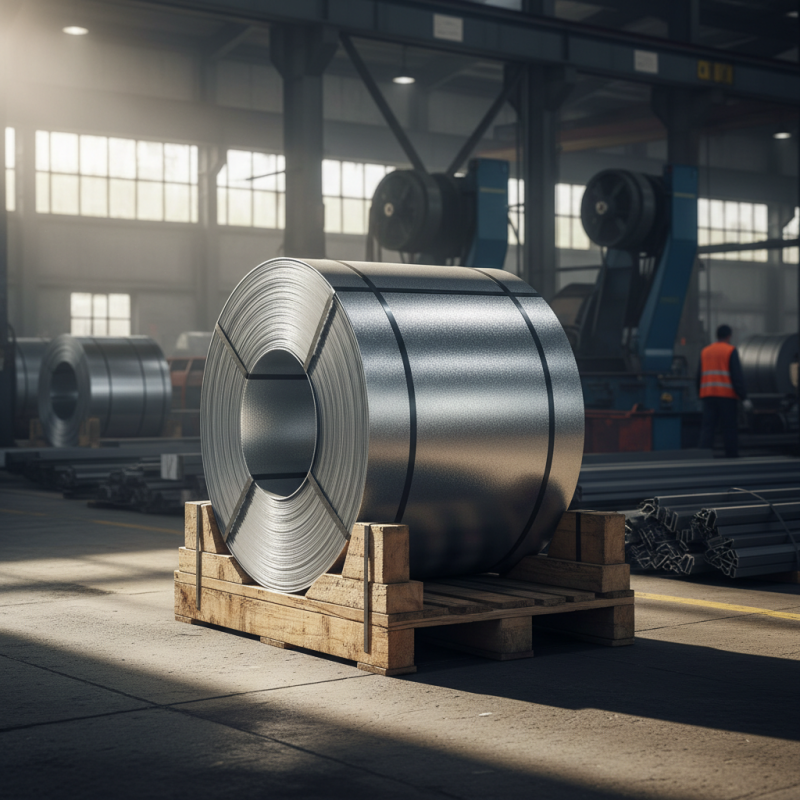
Understanding Galvanized Coils and Their Applications
Galvanized coils are vital in many industries. They provide corrosion resistance, enhancing durability. The zinc coating on these coils acts as a barrier against rust. According to a recent market report, the global galvanized steel market is projected to grow by 4.4% annually through 2025. This significant growth indicates increasing demand.
Understanding the applications of galvanized coils is essential. These coils are used in construction, automotive, and appliance manufacturing. In construction, they are prevalent in roofing and siding. The automotive industry utilizes them for structural components. A study found that 55% of galvanized steel is used in construction. This statistic highlights the material's importance in building sustainable structures.
However, selecting the right galvanized coil can be challenging. Not all coils are suitable for every application. Factors such as thickness, coating weight, and mechanical properties need consideration. It's crucial to reflect on project requirements. There may be mistakes in choosing the wrong type. Quality control should not be overlooked. The right galvanized coil will improve project longevity and efficiency.
Key Factors to Consider When Choosing a Galvanized Coil
Choosing the right galvanized coil involves several key factors. First, analyze your project's environmental conditions. If your project is in a coastal area, higher corrosion resistance may be necessary. The American Galvanizers Association states that galvanized steel can last 50 years or more in certain conditions. However, it can be less effective in more aggressive environments.
Next, consider the thickness of the coil. Standard options range from 0.009 inches to 0.25 inches. Thicker coils provide better durability but can be heavier and harder to work with. According to industry reports, using the correct gauge can significantly impact the final product's lifespan and performance.
Additionally, the coating weight matters. The coating helps protect against rust. A G60 coating is common for general use. In harsher environments, a G90 or even higher may be necessary. However, this increases the cost. It's important to weigh the long-term benefits against immediate expenses. Sometimes, overspending on coatings can lead to budget constraints elsewhere. Reflecting on these factors will guide you toward a suitable choice.
Different Types of Galvanized Coils and Their Characteristics
When selecting a galvanized coil, understanding the various types available is crucial. Galvanized coils are primarily classified into hot-dipped and electro-galvanized varieties. Hot-dipped galvanizing involves immersing steel in molten zinc, creating a thicker coating. This method provides excellent corrosion resistance, making it ideal for outdoor applications. Conversely, electro-galvanized coils are coated with zinc through an electroplating process. These are generally thinner and offer a smoother finish, suitable for indoor use or items requiring a pristine appearance.
Different applications demand different characteristics. For construction, a thicker hot-dipped coil might be preferable due to its durability. However, if aesthetics are more vital, the finer finish of electro-galvanized coils may be the answer. It's important to consider the environment where the materials will be used. Coils exposed to moisture need better protection against rust, while those used in dry areas may not require as thick a coating. Reflection on your project's specific demands can lead to a more informed choice.
Assessing Quality Standards and Certifications for Galvanized Coils
When selecting galvanized coils, assessing quality standards and certifications is crucial. The American Society for Testing and Materials (ASTM) provides guidelines that help ensure the quality and durability of galvanized products. ASTM A653 standard specifies the requirements for steel sheet coated with zinc, which is vital for corrosion resistance. This information is essential for construction projects, where durability matters.
It's important to check for certifications like ISO 9001. This indicates that the manufacturer follows quality management principles. A study by the World Steel Association highlights that companies with quality certifications tend to have lower failure rates. In contrast, unverified products can lead to costly repairs or project delays, causing frustration.
However, not all manufacturers meet these standards consistently. Some may cut corners to reduce costs. While low prices attract attention, they may compromise quality. It's vital to scrutinize documentation and ask for test reports. A minor error in quality can spiral into significant issues down the line, affecting safety and performance.
How to Choose the Right Galvanized Coil for Your Project?
| Property | Description | Quality Standards | Certification |
| Thickness | Typically measured in gauges or millimeters, thickness affects strength and formability. | ASTM A653 / A653M | ISO 9001 |
| Zinc Coating Weight | The amount of zinc applied to steel, influences corrosion resistance. | ASTM A924 | CE Marking |
| Surface Finish | Various finishes such as spangle, dull, or bright available. Affects aesthetics and performance. | ASTM A653 | GOST R Certification |
| Mechanical Properties | Includes yield strength, tensile strength, and elongation. | ASTM A740 | ISO/TS 16949 |
| Corrosion Resistance | Resistance to environmental factors such as moisture, salt, and chemicals. | ASTM B117 | RoHS Compliance |
Cost Considerations and Supplier Selection for Your Project
When selecting a galvanized coil, cost is a critical factor. Prices can vary significantly. Research is essential. Look for reliable quotes from multiple suppliers. Compare not just numbers but also quality. Sometimes, the cheapest option leads to future expenses.
Supplier selection is equally important. Communication can reveal much about a supplier's reliability. Ask questions about their sourcing and manufacturing processes. Are they transparent? What about their delivery timelines? A trustworthy supplier often ensures better materials and service.
Consider long-term relationships with suppliers. Building rapport can lead to discounts or better terms in future projects. Pricing may change but working with someone familiar can provide stability. Reflect on your choices, as they can impact both budget and quality down the line.
Cost Comparison of Different Galvanized Coils
This chart illustrates the cost comparison of different types of galvanized coils in USD per ton. The standard coil has the lowest cost, while the premium coil is the most expensive, reflecting the variations in material properties and manufacturing processes.