How to Choose Commercial Overhead Doors at the 139th Canton Fair?
Choosing commercial overhead doors at the 139th Canton Fair offers unique opportunities. The Fair features advanced manufacturing and new materials, critical for industrial growth. Reports show that the global overhead door market is expected to grow significantly, driven by innovations.
Navigating the vast 1.55 million square meters can be overwhelming. AI-driven tools enhance efficiency, allowing buyers to filter suppliers based on certifications like ISO and CE. This speeds up the procurement process and brings clarity to complex decisions.
Choosing the right doors requires careful consideration. There's a need to reflect on cost, durability, and design. Imperfections in logistics or supplier reliability can impact your choice. Understanding your specific requirements is crucial to avoid costly mistakes.
Understanding the Types of Commercial Overhead Doors Available
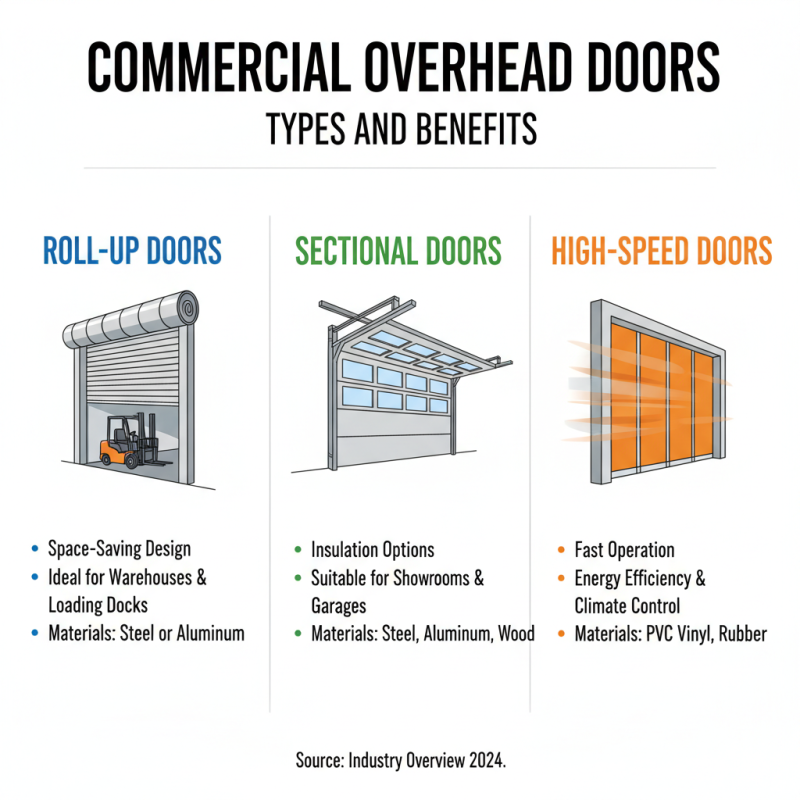
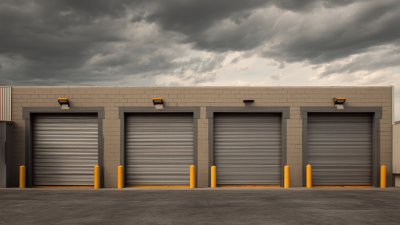
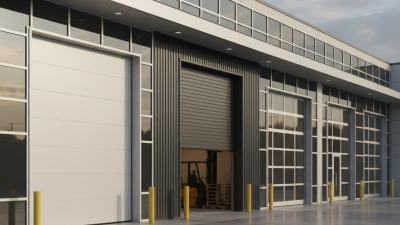
When selecting commercial overhead doors, understanding the various types is essential. There are several options available. Roll-up doors are popular for their space-saving design. They’re ideal for warehouses or busy loading docks. These doors can be made from steel or aluminum, providing strength and durability.
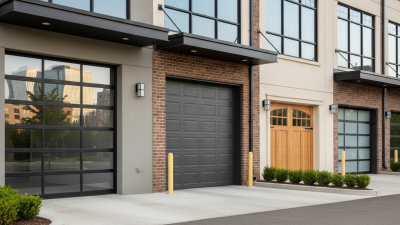
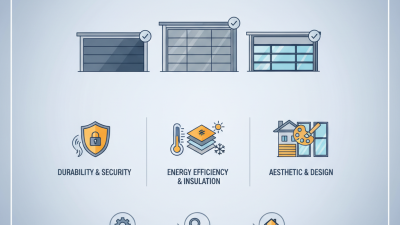
Sectional doors are another choice. They consist of multiple panels that slide upwards. This option is beneficial when needing insulation and security. Various finishes are available, allowing for customization to fit your building's aesthetic.
Swing doors offer a different approach. They are similar to regular doors but designed for commercial use. These can be automatic or manual and provide easy access. However, they may require more space to operate efficiently. Choosing the right type depends on specific needs and space constraints. Consider functionality and appearance carefully, as these decisions impact daily operations.
Evaluating Material Options for Durability and Efficiency
Choosing the right materials for commercial overhead doors is crucial for durability and efficiency. Statistics show that roughly 30% of businesses face door malfunctions due to poor material choices. In high-traffic areas, doors must withstand heavy use, so it’s essential to evaluate factors like strength and maintenance needs. Steel doors often provide superior security and resistance to wear, yet they can be prone to rust without proper coatings.
On the other hand, fiberglass doors are lighter and often boast better insulation properties. According to industry reports, insulated doors can improve energy efficiency by up to 15%, a critical consideration for businesses prioritizing sustainability. However, they may not hold up as well in extreme environments. Evaluating these characteristics can prevent costly repairs down the line. Some doors may appear visually appealing but lack the robust performance needed for commercial applications.
Reflecting on one’s choices can reveal unexpected flaws. Aesthetic finishes should not overshadow functionality. Many decision-makers may overlook the long-term implications of their choices. Material quality translates directly to safety and operational continuity. Investing in the right material pays off, yet it's easy to get swayed by initial cost savings. Regular assessments of door conditions can ensure they meet evolving business needs.
How to Choose Commercial Overhead Doors at the 139th Canton Fair? - Evaluating Material Options for Durability and Efficiency
| Material Type |
Durability Rating (1-5) |
Insulation Efficiency (R-Value) |
Maintenance Requirements |
Typical Usage |
| Steel |
5 |
R-10 |
Low |
Industrial Warehouses |
| Aluminum |
4 |
R-12 |
Medium |
Commercial Stores |
| Fiberglass |
3 |
R-15 |
High |
Refrigerated Facilities |
| Wood |
2 |
R-8 |
Medium |
Retail Shops |
| Vinyl |
3 |
R-9 |
Low |
Light-Duty Applications |
Assessing Insulation and Energy Efficiency Features
When selecting commercial overhead doors at the Canton Fair, investment in energy efficiency is crucial. Insulation plays a significant role in achieving this goal. According to the U.S. Department of Energy, a well-insulated door can reduce heating costs by 20% to 50%. This statistic emphasizes the importance of choosing doors with high R-values.
Look for doors featuring insulated cores. Materials like polystyrene or polyurethane can enhance performance. Energy-efficient doors significantly lower energy consumption. A survey by the International Door Association shows that 89% of businesses prioritize energy efficiency in their door selection.
Assessing seals and weather stripping is essential too. Poor insulation can lead to drafts and increased HVAC usage. Gaps in door seals may result in energy loss. If doors do not fit correctly, they compromise energy efficiency. Proper installation is just as vital as the product itself. Choosing the right door means more than just aesthetics; it requires attention to energy use and long-term costs.
Energy Efficiency and Insulation Ratings of Commercial Overhead Doors
Identifying Security Features and Safety Standards
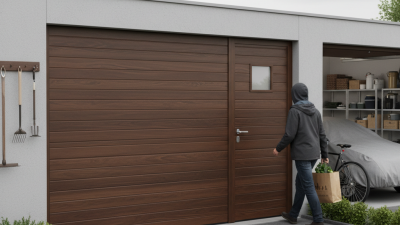
When attending the 139th Canton Fair, focusing on security features of commercial overhead doors is crucial. A reliable door should meet specific safety standards. According to industry standards, over 70% of commercial doors fail to meet basic security requirements. This statistic highlights the need for thorough evaluation.
Look for doors with robust locking mechanisms. They should resist forced entry and tampering. Many reports indicate that doors with multi-point locking systems are 50% more secure than those with single locks. Additionally, consider materials. Steel doors are often sturdier than aluminum. However, some metal doors can suffer from rust if not properly coated.
Fire ratings also matter. Overhead doors should meet local fire safety codes. A door without the right rating could lead to serious consequences. Many businesses overlook this aspect, risking safety for aesthetics. Choose wisely; safety and security should never be compromised for looks.
Comparing Costs and Manufacturer Reputations at the Fair
When attending the 139th Canton Fair, the choice of commercial overhead doors can greatly impact your business. Considering costs and manufacturer reputations is essential. Industry reports suggest that overhead doors can range from $500 to over $10,000 depending on materials and features. Understanding these costs can help you allocate your budget effectively.
Manufacturer reputation plays a crucial role in your decision. A survey showed that 70% of buyers value the reliability of suppliers. Brands with solid track records often offer better warranties and customer services. However, not all reputable manufacturers are expensive. Some lesser-known companies provide high-quality products at competitive prices. This can be a gamble, so proper research is critical.
Take time to compare various options at the fair. Look for customer reviews and ask previous buyers about their experiences. Quality should not be compromised for price, but the opposite is also true. Sometimes, cheaper options lead to frequent repairs and replacements. Finding the right balance is key.