How to Choose the Best Non-Powered Roller for Your Needs?
Choosing the right Non-Powered Roller can significantly impact your operational efficiency. Industry expert John Anderson, a logistics specialist with over a decade of experience, emphasizes, "Selecting the right roller makes all the difference in productivity." This statement underscores the importance of understanding your specific needs.
Understanding the various types of Non-Powered Rollers available is crucial. These rollers vary in material, diameter, and load capacity. A poorly chosen roller can lead to downtime or increased maintenance costs. Visualizing the workspace can aid in decision-making. Are the rollers too large or too small? Will they fit through tight areas?
Consideration of your unique environment is essential. Ask questions about load requirements. Will the roller endure heavy items or lighter loads? Reflecting on these factors will lead to a more informed choice. The journey of selecting a Non-Powered Roller may require adjustments along the way, but the ultimate goal is enhanced efficiency.
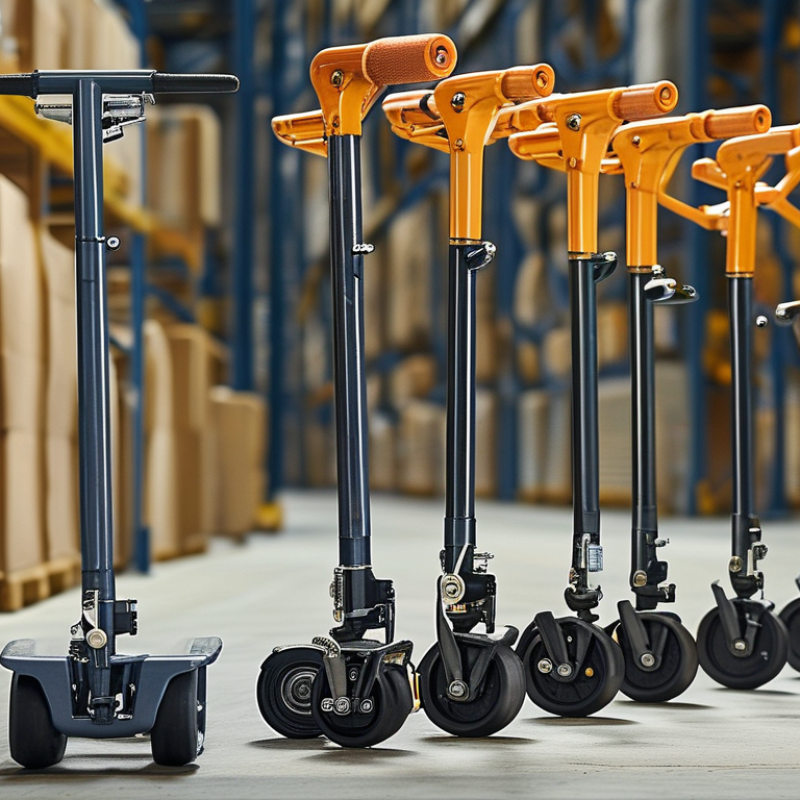
Understanding the Different Types of Non-Powered Rollers in the Market
When selecting a non-powered roller, understanding the various types available is crucial. Non-powered rollers are mainly categorized into gravity, manual, and pneumatic rollers. Each type serves different purposes. Gravity rollers use gravity to move loads, making them ideal for conveyor systems. Manual rollers require user effort for operation, while pneumatic rollers rely on air cushions for smoother mobility.
Data shows that the manual handling equipment market is projected to grow significantly, with an expected increase of around 4.5% annually. This suggests a rising demand for efficient solutions. Choosing the right roller can enhance productivity while reducing strain on workers.
Tips: Ensure your workspace allows for the type of roller you select. Consider load capacity and dimensions carefully. Prioritize ergonomic designs to protect your workforce from injuries. Understand that not every level of roller will meet all operational needs. Test various models to find the best match. Always seek feedback from operators to refine your choice further.
Key Factors to Consider When Selecting Non-Powered Rollers for Specific Tasks
When selecting non-powered rollers, several key factors demand careful consideration. First, consider the load capacity. Different tasks require varying capacities. For instance, a report from the Material Handling Industry states that the average load capacity for standard rollers typically varies between 1,000 to 5,000 pounds. This range highlights the need for clarity about weight requirements.
Next, analyze the roller material. Options typically include plastic, steel, or aluminum. Each material possesses unique attributes. A study by the National Institute of Standards and Technology indicated that steel rollers offer high durability but may corrode over time. Plastic rollers, while less durable, provide excellent resistance to various chemicals and can be essential in specific applications.
Finally, consider roller diameter and width. These dimensions impact stability and ease of use. For instance, wider rollers can reduce the risk of tipping, providing better control during operations. However, compact designs may facilitate easier transportation in tight spaces. Thus, balancing stability with agility remains a challenge that requires careful thought and reflection on task needs.
Choosing the Right Non-Powered Roller: Key Factors
Industry Standards and Certifications Relevant to Non-Powered Rollers
When selecting non-powered rollers, understanding industry standards and certifications is crucial. Organizations like the American National Standards Institute (ANSI) and the International Organization for Standardization (ISO) provide guidelines for safety and performance. The ANSI B30.1 standard addresses safety in lifting equipment, ensuring rollers adhere to specific weight capacities and operational practices. Compliance with these standards helps avoid accidents, reflecting the reliability of your chosen equipment.
Certifications from industry bodies, such as the Occupational Safety and Health Administration (OSHA), indicate that a roller meets safety protocols. A recent report highlighted that over 30% of workplace injuries are linked to equipment failure. Choosing non-powered rollers with proper certification reduces risks associated with frequent use.
Tip: Always check for compliance labels on rollers. They should indicate conformity with recognized standards.
Look for rollers that offer clear documentation of their testing and certifications. This provides insight into the excellence of the product. Each manufacturer's claims should be backed by verifiable data.
Tip: Don’t hesitate to request additional information from suppliers. Knowledge is key in making a safe choice.
Assessing these factors ensures you select a reliable roller that meets your operational needs while prioritizing safety. Remember that not all products marketed as compliant are adequately tested, leading to potential vulnerabilities.
How to Choose the Best Non-Powered Roller for Your Needs? - Industry Standards and Certifications Relevant to Non-Powered Rollers
| Dimension | Standard | Certification | Material | Weight Capacity (lbs) |
| 6 ft | ANSI/ASME B30.9 | ISO 9001 | Steel | 1500 |
| 8 ft | AIST 3 | CE Marking | Aluminum | 1200 |
| 10 ft | ISO 14121 | OSHA Compliance | Polyethylene | 1000 |
| 12 ft | ANSI/ASME B30.20 | REACH Compliant | Reinforced Plastic | 800 |
Material Composition and Durability: Choosing the Right Roller for Longevity
When selecting a non-powered roller, material composition plays a crucial role. Common materials include plastic, rubber, and metal. Each has unique benefits and drawbacks. For instance, plastic is lightweight and resistant to corrosion, while metal offers enhanced durability and load-bearing capacity. Rubber can provide better grip but might wear down faster in abrasive conditions.
Durability should match your intended use. If you operate in harsh environments, invest in rolls made from sturdy materials. Check for wear ratings and load specifications. Remember, a cheaper roller often leads to more frequent replacements.
Reflection on your operational demands is key. Are you frequently transporting heavy items or working on uneven surfaces? This consideration will guide your choice effectively. Trustworthiness in materials stems from reputable sources, ensuring that the roller will withstand usage over time.
Cost Analysis: Balancing Price and Quality in Non-Powered Roller Selection
When selecting a non-powered roller, balancing price and quality is essential. Many options exist, from budget-friendly models to high-end choices. Understanding your specific needs helps narrow the selection. Consider factors like durability, material, and design. A roller that appears cheaper might not withstand frequent use, leading to additional costs over time.
Before making a decision, evaluate the potential long-term savings. Sometimes, investing a little more upfront pays off with increased longevity and efficiency. For instance, choosing a robust design often results in fewer repairs and replacements. Reflect on how often you’ll use the roller. Occasional use might justify a more economical product, while regular use requires something more durable.
A detailed cost analysis also involves comparing features. Some rollers offer unique advantages, such as enhanced grip or better weight distribution. Analyze these features against your budget. In the end, a non-powered roller is about practicality, ensuring you get the value you need without overspending. As you research, remain open to learning from reviews and expert insights; they can uncover hidden gems or pitfalls. This approach helps in making a more informed purchase.