
Top Biological Water Treatment Suppliers in China

Biological Water Treatment is central to many municipal and industrial wastewater projects in China. It uses microorganisms to reduce organic pollutants and, in some systems, nutrients such as nitrogen. Common solutions include activated sludge, membrane bioreactors, moving-bed biofilm reactors, and sequencing batch reactors. Each has different space, energy, and operating needs. There is no universal winner.

A supplier’s brochure can show process diagrams and design figures, but actual plant conditions matter more. Influent quality, flow changes, temperature, sludge handling, and operator experience can all affect results. Small details count: a blower’s energy demand, access to a sampling port, or how quickly a service team responds. Not every case fits.

This guide introduces leading Biological Water Treatment suppliers in China and the capabilities buyers may want to examine. It considers engineering experience, equipment scope, project references, commissioning support, and documented performance data. These points offer a practical starting place, not a guarantee of results. Buyers should request references from comparable projects and confirm that stated figures match operating conditions. A site visit can reveal useful details that a quotation cannot. Even a strong shortlist has gaps. The final choice should reflect the project’s wastewater, budget, discharge targets, and local operating capacity—not company size alone.
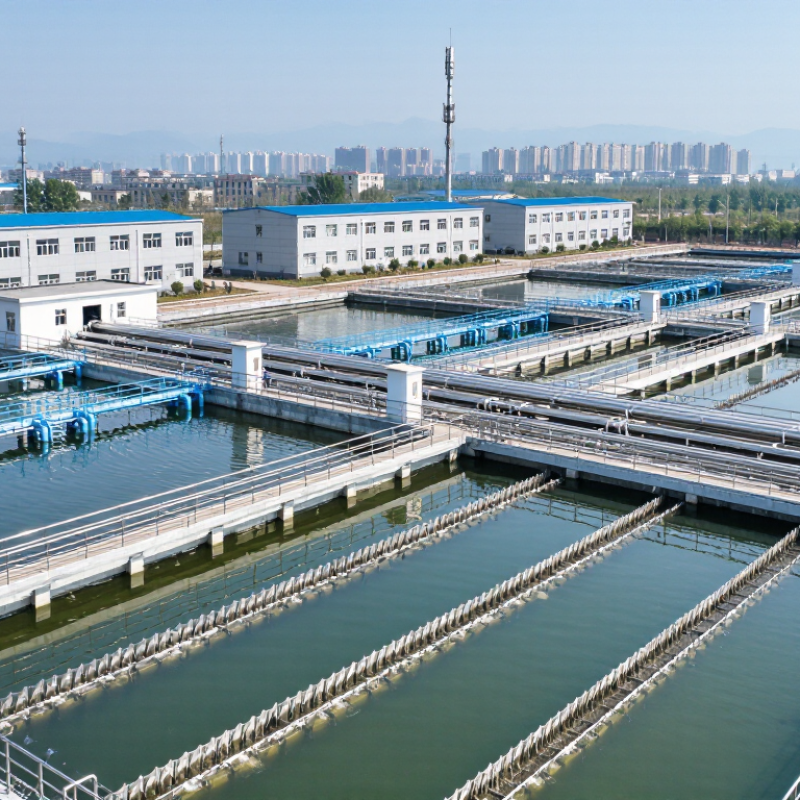
Top Biological Water Treatment Suppliers in China

Biological Water Treatment in China: Industry Scope and Key Technologies

China’s biological water treatment sector serves municipal plants, industrial parks, food processors, and smaller communities. Their wastewater differs in flow, temperature, and pollutant load. Conditions vary. A coastal facility may handle saline process water, while a northern plant faces colder winters that slow microbial activity. These differences shape system design more than a standard equipment list does.

Common technologies include activated sludge, moving-bed biofilm reactors, membrane bioreactors, and anaerobic treatment. Activated sludge can manage many municipal flows, but it needs careful aeration and sludge control. Biofilm systems offer compact treatment, while membranes can produce clearer effluent in limited space. Anaerobic processes may recover biogas from concentrated organic wastewater. No single process fits every site. Pilot testing helps reveal how local water behaves, though pilots cannot capture every seasonal change.

When assessing suppliers, operators should examine process data, commissioning support, and plans for routine maintenance. Ask how a design handles peak flow, toxic shocks, and changing influent quality. Look for measured removal rates and clear assumptions, not only ideal-case claims. Energy use matters too, especially where aeration runs continuously. A detail is easy to miss: sensors need calibration, and operators need training. Even a sound design can underperform when daily operation is rushed.

How Biological Water Treatment Suppliers Are Evaluated

Evaluating biological water treatment suppliers in China requires more than comparing quoted capacity. Check whether performance data come from full-scale plants, pilot trials, or laboratory tests. Ask for influent ranges, seasonal operating records, and effluent results, including BOD, COD, ammonia, and suspended solids. The U.S. EPA’s Municipal Wastewater Treatment Systems: A Primer notes that secondary treatment typically removes at least 85% of BOD and suspended solids. This is a useful reference point, not a guarantee for every site. Numbers need context.

Process stability matters. Request operating data during cold weather, peak loading, and equipment downtime, then compare energy use per cubic metre and sludge production. UN-Water’s Progress on Wastewater Treatment 2024 Update estimates that 42% of household wastewater worldwide was not safely treated in 2022, underscoring why reliable operation matters beyond equipment specifications. For suppliers serving Chinese projects, examine local installation experience, commissioning plans, spare-parts access, and operator training. Ask how they respond when dissolved oxygen falls or influent strength suddenly rises. I would not accept a polished case study as proof; site conditions differ, and reported results may omit difficult operating periods. A clear warranty and transparent measurement method are valuable, but they do not replace independent sampling.

Leading Biological Water Treatment Suppliers in China

Leading biological water treatment suppliers in China serve municipal, industrial, and decentralized projects. Their work may include process design, equipment integration, biological media, aeration systems, and commissioning support. A strong supplier explains how microbial processes fit the wastewater rather than offering a standard package.

That matters. Influent quality varies with seasons, production schedules, temperatures, and cleaning cycles.

Buyers can compare suppliers by requesting design assumptions and operating data from similar applications. Useful evidence includes influent and effluent ranges, sludge yield, energy demand, and recovery plans after process upsets. Site visits reveal practical details: diffuser layout, pump access, control-panel alarms, and space for safe sampling. Documentation should state what is measured, how often, and who responds when readings drift.

Not always. A polished proposal cannot replace clear boundaries for performance guarantees and commissioning responsibilities.

Biological systems also need patience. Changes in flow or chemical loading can disturb microbial communities, and stable results may take time. Experienced process engineers should explain startup plans, operator training, monitoring routines, and maintenance needs in plain language. Ask whether support continues after handover, especially during seasonal changes.

Small details matter, such as spare aeration parts and an accessible sampling point. China’s supplier market is broad, but capabilities differ by project and region. Careful technical review is more useful than selecting by price alone, though the lowest bid can sometimes suit a simple, well-defined duty.

Supplier Technologies and Applications Across Key Industries

Across China, leading biological water-treatment suppliers offer systems designed around wastewater quality, discharge targets, and site constraints. Common options include activated sludge, moving-bed biofilm reactors, membrane bioreactors, and anaerobic digestion. Each handles organic loading differently. Selection should begin with wastewater testing, not a catalogue. A food-processing plant may need robust treatment for variable sugars and fats, while an electronics facility often needs close control of suspended solids and specific contaminants. Textile wastewater can shift sharply in color and chemistry. That matters.

Supplier capability is visible in the details. Ask how aeration adjusts when oxygen demand changes, how sludge age is managed, and what happens during a production shutdown. For a membrane system, request data on cleaning frequency and performance under comparable water conditions. Pilot testing can reveal issues that drawings miss. Small leaks matter. Strong suppliers also support commissioning, operator training, and routine performance checks, rather than simply handing over equipment. Their proposed energy use, spare-parts plan, and expected sludge production should be stated clearly. Still, estimates are not guarantees; results depend on influent quality, maintenance, and operator decisions. A modest process staff understand may outperform a sophisticated system that is poorly managed.

Top Biological Water Treatment Suppliers in China - Supplier Technologies and Applications Across Key Industries

Comparison of biological treatment technologies commonly offered by water-treatment suppliers serving the Chinese market. Performance depends on wastewater characteristics, pretreatment, design, and operating conditions.

Technology or solution type Biological process Typical wastewater and industries Main treatment role Key application considerations
Conventional activated sludge Suspended-growth aerobic microorganisms oxidize biodegradable organic matter; configurations can include anoxic zones for nitrogen removal. Municipal sewage; food and beverage; general industrial parks; suitable, pretreated textile and chemical effluent. Bulk removal of biodegradable BOD and part of the COD; nutrient removal when configured and operated for it. A widely used process with established operating practice. Requires aeration, sludge separation, and control of shock loads and toxic inputs.
Sequencing batch reactor (SBR) Suspended-growth treatment in timed fill, react, settle, and decant phases within a tank. Municipal and county wastewater; industrial parks; food processing; facilities with variable or seasonal flows. Biodegradable organic matter removal, with nitrogen removal possible through controlled aerobic and anoxic phases. Can combine reaction and settling in one basin. Cycle control and equalization are important where inflow varies significantly.
Moving bed biofilm reactor (MBBR) Microorganisms grow on mobile plastic carriers retained in an aerated or mixed tank. Municipal plants needing capacity upgrades; food and beverage; industrial wastewater with biodegradable organics or ammonia. Biofilm-based carbon removal and, with suitable conditions, nitrification; often used to intensify existing treatment capacity. Carrier retention screens and adequate mixing are required. A downstream solids-separation step is generally needed.
Membrane bioreactor (MBR) Activated-sludge biology combined with membranes that separate treated water from suspended solids. Urban reuse projects; industrial parks with limited space; electronics, pharmaceutical, and food facilities after appropriate pretreatment. Biological organic-matter removal and production of low-turbidity effluent suitable for further polishing or reuse. Compact footprint and strong solids separation. Membrane fouling control, cleaning, energy use, and concentrate management need consideration.
Anaerobic UASB reactor Wastewater passes upward through an anaerobic sludge bed; microorganisms convert organic matter into biogas. High-strength, biodegradable wastewater from brewing, food processing, starch, sugar, and some pulp and paper operations. Reduces organic loading before aerobic polishing; biogas may be recovered where gas handling is properly designed. Best suited to warm, sufficiently biodegradable wastewater. Usually requires downstream treatment; startup and pH/alkalinity control matter.
Anaerobic baffled or expanded-bed systems Anaerobic biomass is retained in compartments or on support media, increasing contact between biomass and wastewater. High-organic-load wastewater from food, beverage, agricultural-product processing, and selected chemical operations. Anaerobic pretreatment and organic-load reduction ahead of aerobic treatment or other polishing processes. Performance depends on biodegradability, temperature, and stable loading. Sulfide, odor, and biogas safety require management.
Biological nutrient removal (BNR) Sequenced anaerobic, anoxic, and aerobic zones support phosphorus uptake and nitrogen transformations, including nitrification and denitrification. Municipal wastewater; livestock and food-processing effluent; industrial discharges subject to nitrogen or phosphorus limits. Targeted removal of ammonia, total nitrogen, and, in suitable configurations, biological phosphorus. Needs appropriate carbon availability, recycle flows, dissolved-oxygen control, and sludge management. Chemical polishing may be used when required.
Trickling filter or biological aerated filter Attached-growth biofilm develops on fixed media; biological aerated filters supply air through the treatment bed. Municipal treatment; small communities; selected industrial effluent as secondary treatment or polishing. Attached-growth organic-matter removal; some designs also provide nitrification or effluent polishing. Media hydraulics, distribution, ventilation, and solids management affect performance. Pretreatment helps limit clogging and excess biofilm buildup.

Note: These are technology categories, not named companies or brands. Biological treatment is generally designed as part of a treatment train; actual effluent quality and compliance depend on influent composition, design basis, operation, and applicable discharge or reuse requirements.

Factors to Consider When Selecting a Supplier

When comparing biological water treatment suppliers in China, assess more than equipment price. Match the proposed process to your wastewater’s actual characteristics, including flow changes, temperature, and organic load. Ask how the supplier handles seasonal variation and unexpected inlet changes. A system designed only for average conditions may struggle during peak production.

Review operating data from projects with similar wastewater, not just polished case summaries. Ask what performance measures were recorded, how often samples were taken, and whether results were independently checked. Clarify the scope of installation, commissioning, operator training, and after-sales support. Spare parts and response times matter when a blower or pump stops. So does clear documentation. I would also question any guarantee that lacks stated operating conditions; real wastewater rarely behaves perfectly.

Tips: Request a process flow diagram, a clear list of exclusions, and sample operating records. Check whether local technicians can visit the site. Compare energy use and sludge handling, not just treatment capacity. Keep a few questions open; supplier answers may reveal gaps.

Go to Top