
China Best Tank Container Manufacturers for Global Buyers?

Choosing among China’s Tank Container manufacturers takes more than comparing factory prices. Global buyers need evidence of design control, welding quality, inspection records, and dependable after-sales support. A polished brochure is useful. It is not proof.

The International Tank Container Organisation’s 2024 Global Tank Container Fleet Survey estimated the worldwide fleet at about 801,800 units at the start of 2024, up from 767,000 a year earlier. That growth signals sustained demand, but it does not show which supplier will best fit a buyer’s routes, cargoes, or maintenance plans. Buyers should examine traceable production records, test documentation, spare-parts access, and references from operators using comparable equipment.

This guide compares manufacturers through those practical checks, alongside product range and export experience. Look closely at the details: a clear serial-number trail, consistent weld documentation, and a realistic delivery schedule matter more than broad claims. There is room for doubt, too; published data cannot replace an independent factory assessment. No named expert quotation is included because no verifiable interview or source text was provided. Adding an unverified quote would weaken the reliability this comparison should offer.
China Best Tank Container Manufacturers for Global Buyers?

What Tank Containers Are and How They Support Global Logistics

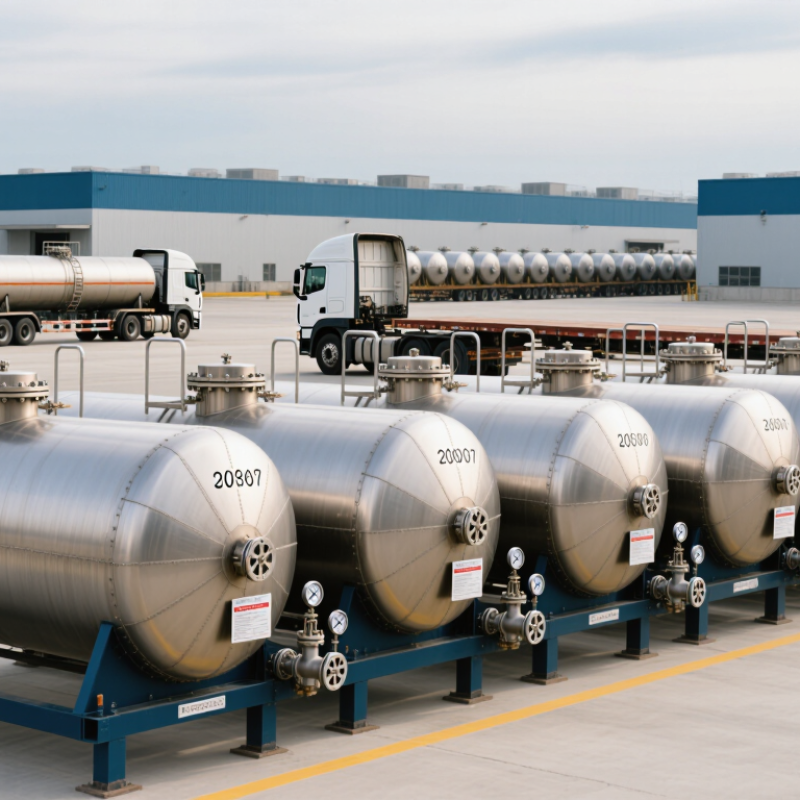
A tank container places a sealed vessel inside a protective steel frame. The frame is designed for intermodal handling, allowing cranes, trucks, and ships to move the same unit. Inside, a stainless-steel tank carries liquid cargo. Insulation or heating equipment may be fitted when temperature control is needed. Valves, manholes, and discharge fittings support loading and unloading, but their condition deserves close inspection. Small details matter.

For logistics teams, this format can reduce transfers between separate transport vessels. A food ingredient, for example, may travel from a filling site to a port and onward by road in one container. Tank suitability is not universal. Buyers should check the tank material, pressure rating, previous cargo history, cleaning records, and unloading connections. A mismatch can delay delivery even when the container looks sound. Route conditions, tare weight, payload limits, and heating needs also affect planning. In practice, fittings and records can be overlooked; that is an avoidable weak point.

How to Evaluate Tank Container Manufacturers in China

Evaluating tank container manufacturers in China requires more than comparing prices and delivery dates. Ask how each unit is built, inspected, and documented. Request material certificates, weld inspection records, pressure-test results, and clear serial-number traceability. Check that the proposed design suits your cargo, route, cleaning needs, and operating conditions. A useful factory review includes seeing production controls, not just a polished showroom. Details matter. Verify certificates with the issuing organization, and confirm which standards apply to your intended use.

Compare the quality of answers, too. Can the manufacturer explain how it controls welding, insulation thickness, valve installation, and final inspection? Ask for sample documents and agree on inspection points before production starts. Clarify spare-parts availability, warranty limits, repair guidance, and response times. A low quote may exclude important fittings or inspection steps. A neat brochure can still hide gaps. No checklist catches everything, so record assumptions and unresolved questions before placing an order.

Tips: Request photos of actual production stages, not only finished units. Match serial numbers across inspection records and test reports. If a specification is unclear, ask for a marked drawing or written clarification. Keep one independent inspection option in your plan. Be practical, but leave room to revise your checklist after reviewing the first sample.

Leading Chinese Manufacturers and Their Product Capabilities

China’s tank container manufacturers serve global buyers with stainless-steel fabrication, insulation, heating options, and customer-specific fittings. Their product ranges commonly cover standard liquid tanks and units designed for temperature-sensitive cargoes. Buyers should compare more than capacity: steel grade, weld records, insulation thickness, and test documentation affect service life. Details matter.

The International Tank Container Organisation’s 2024 Global Tank Container Fleet Survey estimated the worldwide fleet at 801,800 units on January 1, 2024. That scale reflects demand for interchangeable equipment, but fleet growth alone does not prove a supplier’s quality. Ask for evidence of compliance with ISO 1496-3, material traceability, pressure-test results, and independent inspection. A neat finish helps. It is not enough.

For heated models, inspect the layout of steam coils or electric systems, insulation seams, and external connections. These details influence temperature control and maintenance access. Request drawings and sample inspection records before production, then agree on dimensional tolerances and acceptance checks. Factory capability can vary between production lines, and brochures rarely show that variation. I would also verify spare-parts support and delivery promises in writing; this step is easy to overlook.

Certifications, Quality Control, and Customization Options

For global buyers, a certificate is useful only when its scope matches the tank’s design, production site, and intended route. Ask which recognized standards and approvals apply to the design and target markets; verify the issuer, validity, and model coverage. A tidy folder is not proof by itself. Ask how material batches are traced from mill records to the finished shell. At the factory, review weld maps, inspection reports, pressure and leak-test records, and dimensional checks; keep evidence linked to the individual unit, not just a sample.

Customization should begin with operating conditions, not a catalog photo. Discuss capacity, insulation, heating, internal lining, valve positions, and access points with an engineer, then confirm effects on weight, cleaning, maintenance, and inspection. A small fitting shift can complicate unloading later. Request drawings and a signed change record before fabrication, then compare the delivered unit with the approved version. Extra options can add maintenance points, and paperwork sometimes lags production. Details matter.

How Global Buyers Can Select and Source from a Manufacturer

Selecting a tank container manufacturer requires more than comparing quotations. The International Tank Container Organisation’s 2024 Global Tank Container Fleet Survey estimated 801,800 units worldwide on January 1, 2024, an 8.6% increase year over year. A growing fleet makes production capacity relevant, but capacity alone does not prove quality. Ask for recent delivery records and a clear production schedule.

Request traceable material certificates, welding records, and pressure-test documentation for the proposed specification. Review inspection procedures and maintenance support, too. Ask for evidence. A factory visit can reveal practical details: how welds are recorded, how test results are stored, and whether finished units are protected from weather. A polished brochure is not proof. I would also ask for a sample inspection file; missing paperwork is easy to overlook until delivery.

Compare total sourcing costs, including spare parts, training, packaging, and transport to the receiving port. Confirm that the manufacturer understands the cargo requirements and operating conditions you specify. For cross-border shipments, agree on documentation, delivery milestones, and the process for handling defects before placing an order. Some buyers focus too heavily on the purchase price. That can be a costly blind spot. Keep written acceptance criteria, and check them against the delivered unit.

Go to Top