
What Are the Best Linked Smoke Detectors in 2026?

A kitchen alarm begins to chirp. A detector upstairs sounds, too. That simple connection can give sleeping occupants more time to react, especially in larger homes where one alarm may be difficult to hear. But “linked” does not automatically mean safer. Performance depends on dependable communication, correct placement, clear alerts, and regular testing.

UL Fire Safety Research Institute Executive Director Steve Kerber studies how people respond to fire and alarms. A concise summary of the practical lesson from that work is: “A warning helps only when people can hear it and act in time.” This is a paraphrase, not a direct quotation. It points to what buyers should examine: whether detectors interconnect reliably, whether they meet recognized safety standards, and whether every household member understands the alert.

This guide compares the best Linked Smoke Detectors for 2026 by connection method, power source, installation needs, and everyday usability. Some models connect wirelessly; others depend on compatible hardwired systems. Compatibility matters. So does maintenance: dust, aging batteries, and disabled alarms can undermine even a well-reviewed system. No detector makes a home fireproof, and product features alone cannot guarantee protection. The strongest choice is the one that fits the home, is installed as directed, and is tested on schedule. A small caveat: specifications can change, so check current manufacturer details before buying.
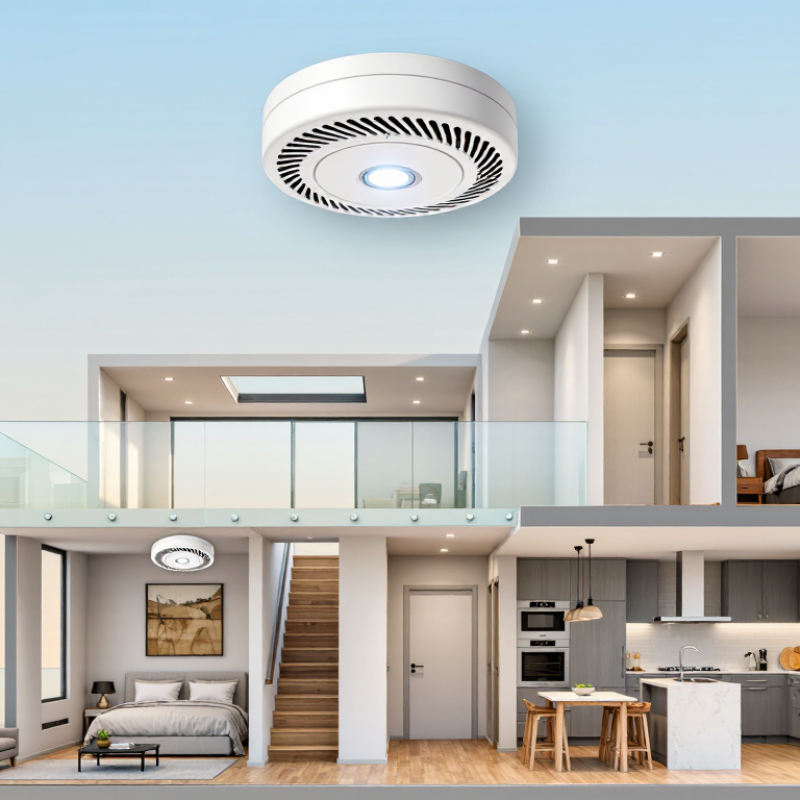
What Are the Best Linked Smoke Detectors in 2026?

How Linked Smoke Alarms Work and Where NFPA Recommends Installing Them

Linked smoke alarms share a signal, so one unit detecting smoke can trigger every connected alarm. Connections may use wiring or radio communication. In a fire, that can carry an alert from a basement to bedrooms with closed doors. The system still depends on working power and functioning sensors.

NFPA’s 2021 report, Smoke Alarms in U.S. Home Fires, found that alarms operated in 89% of reported home fires where they were present. Yet three out of five home-fire deaths occurred where alarms were absent or failed to operate.

That gap matters. NFPA recommends alarms inside each bedroom, outside every sleeping area, and on every level, including the basement. Install them on ceilings or high on walls, following the unit’s instructions. Keep them at least 10 feet from cooking appliances when possible to reduce nuisance alarms.

A hallway unit alone may seem enough, but smoke can spread unevenly through a home. Test each alarm monthly and replace units according to their listed service life. Recheck the layout after renovations; a new wall can change how sound travels.

Why Interconnection Matters: Working Alarms Reduce Home-Fire Death Risk by 60%

For a 2026 smoke-alarm choice, interconnection is not a luxury feature; it changes how quickly a warning reaches sleeping rooms. NFPA’s 2021 report, Smoke Alarms in U.S. Home Fires, compared death rates in reported home fires. It found rates were 60% lower when smoke alarms operated than when no alarms were present. That is a powerful finding. But it needs careful wording. The figure describes working alarms, not a proven 60% benefit from interconnection alone.

Interconnection adds a practical layer: when one detector senses smoke, linked units sound across the home. NFPA recommends alarms inside each bedroom, outside sleeping areas, and on every level. A distant hallway alarm may be harder to hear through a closed bedroom door. CPSC guidance also recommends smoke alarms on every floor and monthly testing. Test the system monthly, and replace batteries or units according to manufacturer instructions. Small details matter: a closed door, a loud fan, or a dead battery can change what someone hears. Still, linked alarms are not a substitute for escape planning. That distinction is easy to forget.

Which 2026 Options Stand Out: Battery, Hardwired, Dual-Sensor, and Smart Alarms

Battery, hardwired, dual-sensor, and smart alarms each suit different homes. Battery models are easier to fit in older houses, but batteries need regular checks. Hardwired alarms draw power from the home and typically include battery backup. When interconnected, one alarm can alert people throughout the house. Check compatibility before replacing a single unit in an existing system.

Dual-sensor alarms combine technologies designed to detect both fast-flaming and slow-smoldering fires. That broader coverage can be useful near bedrooms and hallways, though placement still matters. Placement matters more. The U.S. Fire Administration recommends alarms on every level, inside each bedroom, and outside sleeping areas. Smart alarms can send phone alerts, but they rely on power and connectivity; a notification should not replace an audible local alarm. NFPA’s report, Smoke Alarms in U.S. Home Fires, found that 60% of home-fire deaths occurred in properties without alarms or with alarms that failed to operate. Working alarms were associated with a 55% lower death rate per 1,000 reported fires than homes without working alarms. These figures make maintenance hard to ignore. Even a well-reviewed alarm is a weak choice if its test button goes unchecked or its alert cannot wake the household.

What Are the Best Linked Smoke Detectors in 2026? — Battery, Hardwired, Dual-Sensor, and Smart Alarms

Alarm type Typical power Sensing approach How alarms link Key advantages Considerations Best suited for
Hardwired interconnected alarm Building AC power, usually with a backup battery Varies by unit; commonly photoelectric, ionization, or dual-sensor Often connected through dedicated wiring; some systems also use wireless links AC power reduces reliance on routine battery replacement. When correctly interconnected, one alarm sounding can activate the others. Installation may require electrical work. Interconnected units must be compatible; wiring and backup-battery requirements vary. Homes with existing alarm wiring, or new construction where a wired system can be installed.
Wireless interconnected battery alarm Replaceable batteries or a sealed long-life battery, depending on the model Varies by unit; check the product specifications Radio-frequency communication between compatible alarms; internet is generally not required for local alarm-to-alarm signaling Can link alarms without running interconnect wires, making it useful for retrofits and locations where wiring is impractical. Wireless range, barriers, pairing procedures, and battery type differ. Check that every unit in the system is compatible. Existing homes, additions, and spaces where new wiring would be difficult.
Dual-sensor interconnected alarm Hardwired with backup battery or battery-powered, depending on the model Combines photoelectric and ionization sensing technologies in one alarm May use wired or wireless interconnection; confirm the specific configuration Uses two sensing approaches. Photoelectric sensors are generally more responsive to smoldering fires, while ionization sensors are generally more responsive to fast-flaming fires. Sensor combination alone does not confirm system compatibility or installation suitability. Follow the alarm’s instructions and applicable local requirements. People who want two common smoke-sensing technologies in each alarm.
Photoelectric interconnected alarm Available in hardwired and battery-powered versions Photoelectric sensing, which detects smoke using a light-based chamber Wired or wireless, depending on the model Generally responds well to smoke from smoldering fires, which can produce significant smoke before visible flames develop. Sensor type is only one factor in protection. Placement, maintenance, alarm age, and interconnection also matter. Rooms or homes where photoelectric sensing is preferred; follow local guidance for placement.
Smart interconnected alarm Hardwired with backup battery or battery-powered Varies; may be photoelectric, ionization, or dual-sensor May link locally to other alarms and send phone notifications through Wi-Fi or a compatible hub Some models provide remote notifications, status information, or app-based alerts in addition to an audible alarm. Remote features can depend on Wi-Fi, internet access, app support, and account setup. A phone alert is not a substitute for a local audible alarm. People who want remote status or notifications, provided the local alarm functions independently.
Sealed long-life battery interconnected alarm Factory-sealed battery designed for an extended service period; exact duration varies Varies by model and may be photoelectric, ionization, or dual-sensor Wireless interconnection is available on some models; not all sealed-battery alarms link to other units Reduces the need for routine battery changes during the battery’s stated service life. The entire alarm generally needs replacement when it reaches its end-of-life signal or expiration date; verify that the model supports interconnection if required. Locations where reducing battery-change tasks is a priority.

Comparison is based on common alarm designs, not specific products. Features, power options, interconnection methods, and service life vary by model. Check product instructions and local fire-safety requirements before purchase or installation.

How to Compare Linked Models Against UL 217 8th Edition Requirements

When comparing linked smoke detectors in 2026, check that the exact model is listed to UL 217 8th Edition—not just described as “updated” or “compliant.” The edition adds tests intended to reduce nuisance alarms from cooking and assess performance in challenging fire scenarios, including fires involving polyurethane foam. Look for clear certification details in the product documentation. A vague claim is not enough.

Tips: Confirm whether units connect by wire or radio, and check that every alarm in your setup is compatible. Test the installed system using the maker’s instructions. Test the whole chain. One alarm sounding does not prove every linked unit will respond.

Also compare how easily you can silence a cooking-related alarm without disabling the network. Check backup power, indicator lights, and the sound pattern each unit uses during an alarm. These details matter at night, when a quick, clear warning is essential. Still, a standards listing cannot guarantee perfect performance in every home; placement, maintenance, and dust can affect detection. I would check the manual before buying, even when the specifications look reassuring.

What Are the Best Linked Smoke Detectors in 2026? How to Compare Models Against UL 217 8th Edition

This scope chart highlights three key challenge areas associated with UL 217 8th Edition; it is not a product ranking or pass-rate comparison. When comparing linked alarms, check the product’s UL 217 listing and verify interconnection compatibility, backup power, and alarm behavior in its documentation. A listing alone does not establish that separate models will interconnect.

Testing and Replacement: NFPA Advises Monthly Tests and Replacement at 10 Years

A linked smoke detector system is only useful when every alarm can respond. NFPA advises testing smoke alarms monthly. Press each test button and listen for the other linked units. A hallway alarm should trigger the bedroom alarms, too. If one stays silent, check its power source and connection, then follow the manufacturer’s instructions. Some tests are loud. That is the point.

Testing takes little time, but it is easy to forget. Pick a regular date, such as the first day of each month, and record the check on a calendar. Do not assume a green indicator means the alarm will sound. The test button checks key functions, but it may not reveal every problem with placement or airflow. Keep alarms clear of dust, and never ignore a weak or missing sound.

NFPA advises replacing smoke alarms when they reach 10 years of age. Check the manufacture date on each unit, not just the purchase receipt; linked alarms may have been installed at different times. Replace a unit sooner if it fails a test or the manufacturer calls for earlier replacement. Some wiring and compatibility details can be confusing, especially in older homes. If a replacement will not link correctly, consult the product instructions or a qualified electrician rather than leaving part of the system disconnected.

Go to Top