The Best Home Elevators in China What You Need to Know?
In the modern era, Home Elevators have become essential in many Chinese households. With urbanization rising, people seek convenience and accessibility. According to Dr. Liang Chen, a leading expert in the Home Elevator industry, "Investing in a Home Elevator improves daily life and adds value to your property." His insight highlights the increasing demand for these innovations.
Home Elevators can transform a multi-story home. They provide easy access for the elderly and those with mobility challenges. It's not just about luxury; it's about practicality and comfort. However, not all models are created equal. Homeowners must consider factors like space, design, and installation costs.
While many companies offer attractive features, some products may not meet quality standards. Buyers should be cautious and conduct thorough research. Some elevators might promise more than they deliver. Reflecting on the choices can lead to more informed decisions, ensuring safety and functionality in your home.
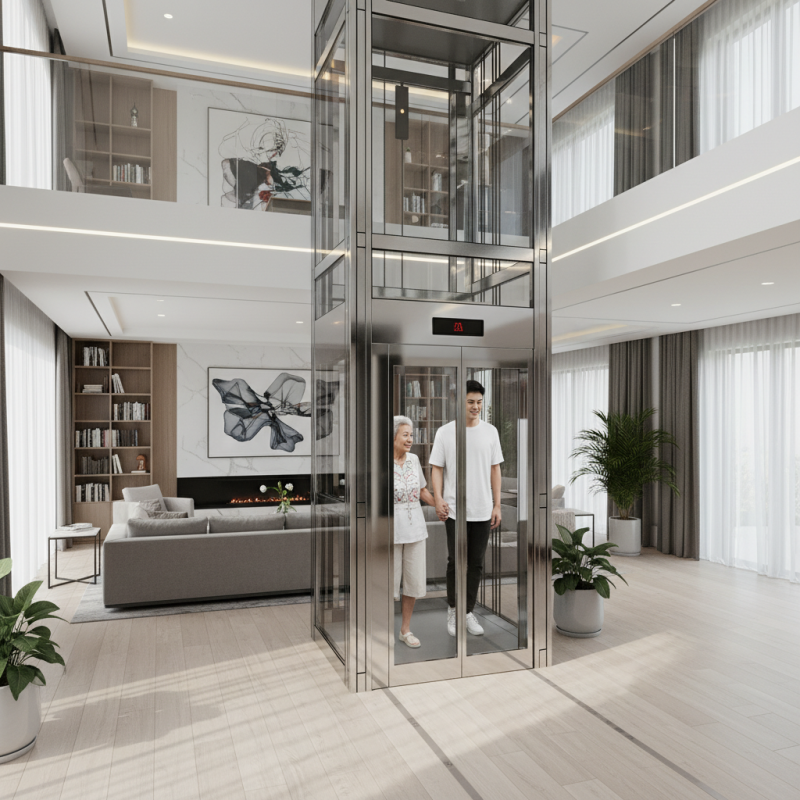
Understanding Home Elevators: Types and Special Features
Home elevators have gained popularity in modern homes. They provide convenience, especially for those with mobility issues. Different types of home elevators cater to various needs. For example, hydraulic elevators are common in residential buildings. They work efficiently but may require more space.
Another type is the screw-driven elevator. This option is often smaller and can fit in tighter spaces. These elevators are quieter and can be more economical in energy use. However, installation might be complex.
Special features enhance the user experience. Some elevators offer smart controls, making them user-friendly. Safety features are crucial, too. Backup power systems ensure functionality during outages. Yet, maintenance can be overlooked, leading to functionality issues. Regular checks are essential to prevent problems down the line.
Market Overview: Growth and Trends in China's Home Elevator Industry
In recent years, China’s home elevator market has experienced notable growth. Factors like urbanization and a rising middle class contribute to this trend. Many homeowners seek convenience and luxury, driving demand for elevator installations. Especially in multi-story residences, elevators enhance accessibility. Home elevators are becoming a symbol of modern living, but their integration poses challenges.
Installation can be complex. Space limitations often arise, and some homes may lack the necessary infrastructure. Additionally, safety regulations must be strictly followed. While many manufacturers offer innovative solutions, homeowners need to consider their unique needs. Each installation requires precise planning and design. Questioning the long-term return on investment is vital. Will this addition truly enhance the property value?
Consumer awareness is another critical aspect. Many individuals remain uninformed about the variety of options available. A lack of knowledge can lead to poor decision-making. Home elevators differ in features, styles, and costs. Understanding these differences helps homeowners make better choices. Ultimately, this growing market invites reflection on quality, safety, and convenience. The decision to install an elevator should not be taken lightly.
Safety Standards and Regulations for Home Elevators in China
Home elevators are gaining traction in China, providing convenience and accessibility. However, safety is paramount when considering their installation. The Chinese government has established stringent safety standards for these elevators. According to the National Standard of the People's Republic of China, home elevators must comply with GB 10058-2015. This regulation emphasizes safe operation and maintenance to protect users.
Recent industry reports indicate that around 15% of elevator accidents in residential settings stem from inadequate safety measures. Regular inspections are essential. Homeowners should conduct checks at least once every six months. Installing sensors and alarms can also enhance safety.
Tip: Always choose certified installers. They understand local regulations and ensure compliance. This minimizes risks for you and your family.
Another crucial aspect is user education. Many homeowners overlook this area. It is vital to train all household members on safe usage. Simple practices, such as not overloading the elevator, can prevent incidents. Many accidents are from neglecting these basic rules.
Tip: Create a safety checklist. Include guidelines for each family member to follow. Regular reminders can make a significant difference in safety awareness.
Key Considerations When Choosing a Home Elevator
When selecting a home elevator, it’s essential to consider your specific needs. Think about how many floors the elevator will serve. A two-story home may have different requirements from a five-story building. Space is another critical factor. Ensure your planned elevator fits in the available area without compromising comfort.
Safety features can’t be overlooked. Look for automatic doors or emergency alarms. These details matter when it comes to daily use. Elevator capacity is also important. An elevator should accommodate the weight of multiple users and their belongings. If you have kids or pets, consider how they will use it.
Finally, installation requirements should be on your radar. Some elevators need more extensive construction work than others. Reflect on the cost of potential renovations. Assessing these details will help you make a more informed choice.
Cost Analysis: Home Elevator Installation and Maintenance in China
Installing a home elevator in China can seem daunting. The cost varies widely, influenced by design, size, and added features. According to industry reports, a basic elevator installation can range from 80,000 to 150,000 RMB. Custom models may exceed 200,000 RMB. Maintenance costs usually require an additional 5,000 to 10,000 RMB annually. These figures highlight the importance of budgeting carefully.
Installation time also varies. Standard projects take about two to three weeks. However, custom elevators may require longer due to design complexity. Homeowners should consider the disruption during installation. Not everyone enjoys construction work in their living space. Choosing the right contractor is crucial; poor workmanship can lead to higher maintenance costs and safety issues later on.
Regulations might create unexpected hurdles. Local building codes can affect installation options. Some regions have stricter rules than others. Homeowners should research these requirements early in the process. This step can prevent costly mistakes. Ultimately, investing in a home elevator requires careful consideration of both immediate and long-term expenses.