Best Camping Sleeping Bags of 2026 What to Look For?
When planning a camping trip, choosing the right camping sleeping bag is vital. A good sleeping bag can enhance your experience, providing warmth and comfort. However, many people struggle to find the perfect one. There’s a vast range of options available. Some bags are too bulky, while others lack the needed insulation. Choosing the wrong bag can lead to a sleepless night.
Consider the weather and terrain you will encounter. The best camping sleeping bags vary in materials and designs. You might find a bag that feels light but offers little warmth. Alternatively, a heavy bag could be cumbersome to carry. The key is to balance weight and insulation.
Moreover, pay attention to the bag's fit. A bag that is too tight might restrict movement. On the other hand, a loose bag can let cold air in. Take the time to research and reflect on your needs. In conclusion, selecting the right camping sleeping bag requires careful thought. It's not just about picking the most popular option, but finding one that meets your specific needs.
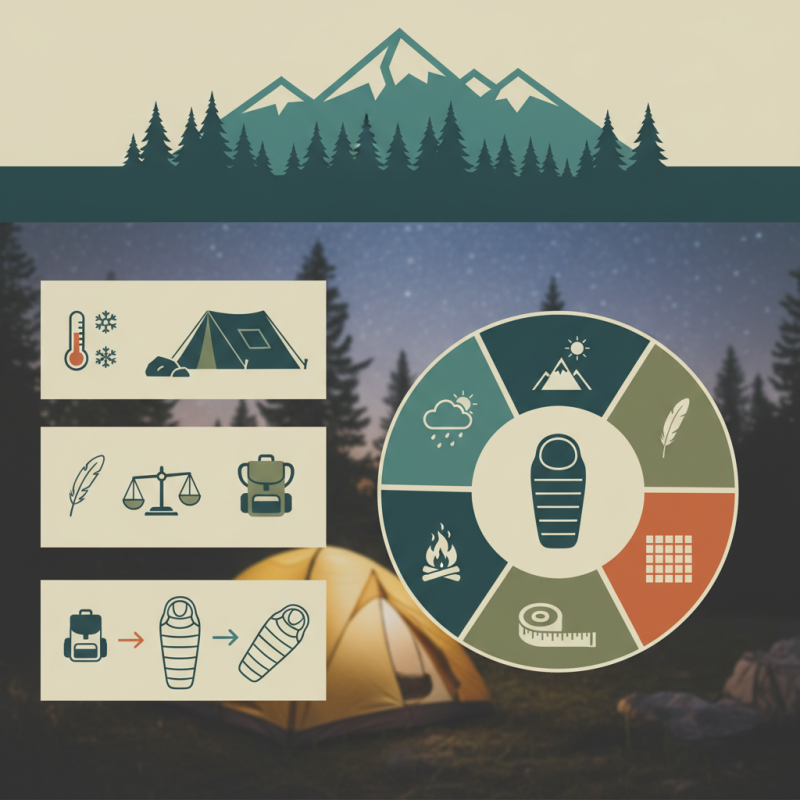
Key Features to Consider When Choosing a Sleeping Bag for Camping
When choosing a sleeping bag for camping, consider the temperature rating. This rating indicates the lowest temperature at which the bag will keep you warm. A bag rated for cold weather will be heavier and bulkier. Ensure it is appropriate for your camping season.
Material plays a significant role in comfort. Synthetic insulation dries quickly and maintains warmth, even when wet. Down insulation is lightweight and compressible. However, it can be costly and loses insulation when wet. Evaluate your preferences before making a choice.
Tips: Check the zipper quality. A low-quality zipper can break easily and ruin your camping experience. Also, pay attention to the sleeping bag's shape. Mummy bags are more efficient for heat retention, while rectangular bags offer more space.
Consider the weight and packability of the sleeping bag. It is essential to carry a lightweight bag if you hike to your campsite. A heavy bag may burden your pack. Still, a compact bag will save space. Look for versatility too; some bags can serve multiple functions.
Types of Sleeping Bags: Mummy vs. Rectangular vs. Other Styles
When choosing a sleeping bag, understanding the types available is crucial.
Mummy bags are designed to fit snugly around the body. They provide excellent insulation and warmth retention, critical for cold weather camping. According to the Outdoor Industry Association, about 45% of campers prefer mummy bags for their compactness and efficiency.
Rectangular sleeping bags, on the other hand, offer more space and comfort. They are versatile, suitable for camping in mild conditions. However, they tend to be heavier and less efficient in retaining warmth. Reports indicate that around 30% of campers like them for their roomy interiors. This type can feel drafty during colder nights, requiring additional layers to stay warm.
There are also other styles, like hybrid and double sleeping bags. Hybrid bags combine features from mummy and rectangular designs. Double bags cater to couples or friends who share their sleeping space. Despite their benefits, these options can be bulkier. Non-traditional shapes might sacrifice warmth for novelty. Ultimately, the right choice depends on individual camping styles and conditions.
Temperature Ratings: Understanding the Ideal Range for Your Needs
When choosing a camping sleeping bag, temperature ratings are crucial. The comfort range indicates the ideal temperature for a good night's sleep. It's key to understand these numbers. Most bags are rated for three categories: summer, three-season, and winter. Summer bags typically range from 35°F to 50°F. Three-season bags cover 10°F to 35°F. Winter bags are designed for temperatures below 10°F.
Tip: Check the sleeping bag's temperature ratings before purchasing. If you're a cold sleeper, consider a bag with a lower rating. Those who trek in warmer climates may prefer a lighter option. The insulation type also matters. Synthetic insulation works well in damp conditions. Down insulation is best for warmth-to-weight ratio.
Consider your specific needs when selecting a bag. Some users might find that the rated temperature still feels chilly. This is normal. Individual comfort levels can vary greatly. Always test your bag at home before a big trip. Remember, layering clothing can help if the sleeping bag is not warm enough.
Best Camping Sleeping Bags of 2026 - Temperature Ratings
This chart illustrates the ideal temperature ranges for different types of camping sleeping bags in 2026. Knowing the right sleeping bag for your camping needs is essential for a comfortable night's sleep outdoors.
Materials and Insulation: What's Best for Comfort and Warmth?
When choosing a sleeping bag, materials and insulation play crucial roles in comfort and warmth. Down insulation is lighter and compressible. However, it loses its ability to insulate when wet. Synthetic alternatives, like polyester, retain warmth even in damp conditions. A study from the Outdoor Industry Association indicates that 68% of campers prefer synthetic insulation for its reliability in various weather.
Different fabrics also impact comfort. Nylon offers durability and water resistance, while cotton is breathable but can be heavy. A report by the American Camping Association highlights that 67% of campers prioritize fabric quality for a good night’s sleep. Some bags use a mix of materials to balance warmth and weight. Look for features like a draft collar and zipper baffles to enhance insulation.
Weight is another consideration. Lightweight sleeping bags are great for backpacking. Yet, they might sacrifice warmth. Many campers struggle to find the perfect balance. Remember, there’s no one-size-fits-all solution. Personal experiences and preferences significantly influence choices. Understanding these factors can lead to better camping trips. Reflect on what works best for your adventures.
Weight and Packability: Choosing a Sleeping Bag for Backpacking Trips
Choosing the right sleeping bag for backpacking trips is crucial. Weight and packability are key factors. A lighter sleeping bag makes it easier to hike long distances. When packing your gear, every ounce counts. Aim for bags that compress well without sacrificing warmth.
When selecting a sleeping bag, consider its insulation type. Down insulation is lightweight but can be pricey. Synthetic insulation is bulkier but performs well when wet. Each option has its pros and cons. Think about your camping environment and personal preferences.
**Tips**: Check weight limits on your backpack. If your bag is too heavy, it will slow you down. Look for sleeping bags with compression sacks for easier transport. Remember, comfort is essential. Test different models at home to find the best fit. Different shapes also influence warmth retention. Consider an adjustable design for versatility.