What is 3d Wheel Alignment and Why is it Important?
In the world of automotive maintenance, 3d Wheel Alignment stands out as a crucial process. It involves adjusting the angles of the wheels to ensure they are perpendicular to the ground and parallel to each other. This precision matters because improper alignment can lead to uneven tire wear. Your vehicle may pull to one side, especially during turns.
3D Wheel Alignment utilizes advanced technology for accuracy. Sensors and cameras measure angles with remarkable precision. However, many car owners overlook this service. They might ignore symptoms like vibrations or strange tire wear. Delaying alignment checks can cause long-term damages and expensive repairs.
Understanding the importance of 3D Wheel Alignment can transform your driving experience. It ensures better handling, enhances fuel efficiency, and prolongs tire life. Ignoring it not only affects performance but can compromise safety. Reflecting on these aspects helps us appreciate this essential service. Regular alignment checks can save money and improve vehicle safety significantly.
What is 3D Wheel Alignment?
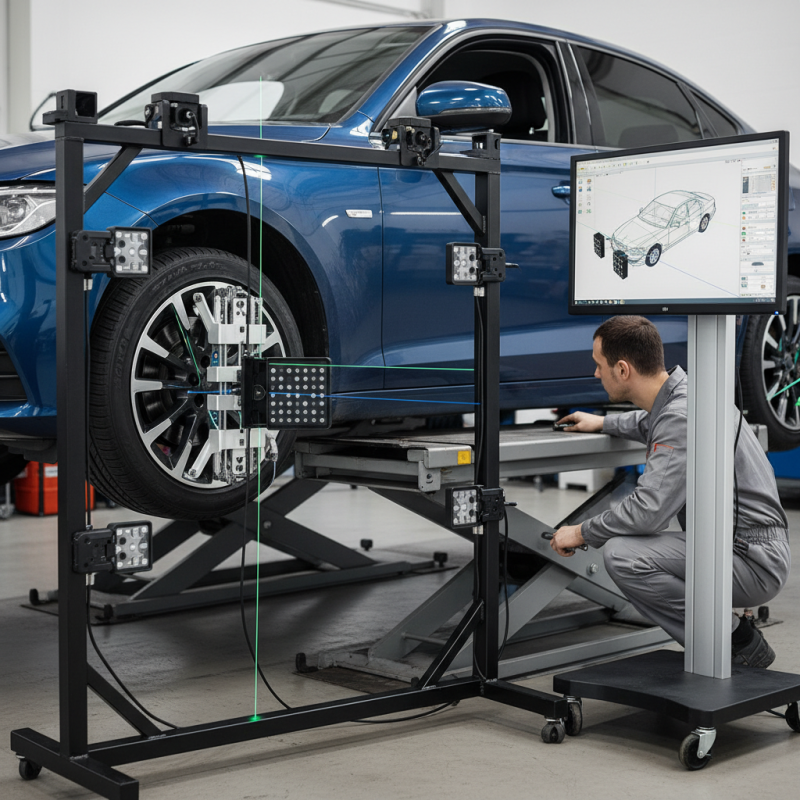
3D wheel alignment is a cutting-edge method used to ensure that a vehicle's wheels are perfectly aligned. This technology employs three-dimensional measurements to assess the position of each wheel relative to the vehicle's body. The process involves laser beams and cameras to gather data accurately. It provides a detailed view of how the wheels are positioned in relation to each other and the road.
Proper alignment is crucial for various reasons. Misaligned wheels can lead to uneven tire wear. This means that tires may need to be replaced sooner than expected. It can also affect handling and steering. A vehicle that pulls to one side is a common sign of alignment issues. This not only compromises driving comfort but can also be a safety risk. Drivers may find themselves correcting their steering constantly, which can be tiring.
While 3D wheel alignment offers many benefits, it is essential to recognize that it's not infallible. Some auto shops may lack experience with this technology. This can lead to inaccurate results. Drivers should seek qualified technicians to ensure proper service. Maintaining regular checks can save money and enhance safety on the road. Ignoring alignment issues, however minor, can lead to significant problems later on.
Key Components of 3D Wheel Alignment Systems
3D wheel alignment is an advanced method ensuring your vehicle moves smoothly. It uses three-dimensional technology to measure angles and adjust alignment accurately. This process is crucial for handling, tire longevity, and fuel efficiency.
Key components of 3D wheel alignment systems include cameras, sensors, and software. Cameras capture images of the wheels while sensors measure angles. Together, they provide real-time data. The software analyzes this data and suggests necessary adjustments.
However, not all systems are perfect. Some may require frequent calibrations, leading to inconsistency. It is essential to reflect on the equipment used and the skills of the technician. This attention to detail can make a significant difference in vehicle performance.
The Process of 3D Wheel Alignment Explained
3D wheel alignment is a precise process that ensures your vehicle's wheels are optimized for performance. The technology uses multiple cameras to measure angles and distances. This creates a detailed picture of your car's alignment status. The data helps in making real-time adjustments.
During the alignment process, technicians look at the camber, caster, and toe angles. Each angle affects how your car handles on the road. If these angles are off, it can lead to uneven tire wear or poor handling. It's not just a simple adjustment; it’s a comprehensive check to keep your vehicle safe and efficient.
Tips: Regularly inspecting your tires can help you detect wear early. Pay attention to how your car drives. If it pulls to one side, that’s a sign. Consider scheduling a 3D wheel alignment at least once a year. This proactive step can save you money in the long run. Small adjustments can prevent bigger issues. Stay aware of changes in your ride’s performance. Regular checks create both safety and peace of mind.
Benefits of Proper 3D Wheel Alignment
Proper 3D wheel alignment is crucial for vehicle performance. Misalignment can lead to uneven tire wear and reduced fuel efficiency. Industry studies show that proper alignment can improve fuel efficiency by up to 10%. This means significant savings over time, especially for frequent drivers.
Additionally, correct alignment enhances vehicle handling. Drivers report better control and smoother rides. Vehicles with misaligned wheels may pull to one side, making driving unsafe. A survey found that 60% of drivers experienced handling issues due to misalignment.
Investing in regular wheel alignment is not just about safety; it is also about longevity. Tires aligned correctly last longer, which saves money on replacements. However, many neglect this maintenance task. It’s easy to overlook warning signs like vibration or uneven tread wear. Ignoring these can lead to more costly repairs down the line.
Common Issues Caused by Incorrect Wheel Alignment
Incorrect wheel alignment can lead to a range of common issues. One major problem is uneven tire wear. Tires may wear out quickly on one side. This can cause you to replace your tires much sooner than expected. Balancing tires is crucial for a smooth ride and long life.
Another significant issue is poor handling. If your wheels are not aligned, your vehicle may pull to one side. This makes driving dangerous and stressful. Drivers often find themselves overcorrecting just to stay straight on the road. This can lead to an increased risk of accidents.
Increased fuel consumption is another consequence of bad alignment. When wheels are off, the vehicle requires more effort to move forward. This extra resistance means you’ll spend more on gas. A simple check could prevent these irritating and costly issues. Be proactive and check your alignment regularly.
What is 3D Wheel Alignment and Why is it Important? - Common Issues Caused by Incorrect Wheel Alignment
| Issue | Symptoms | Causes | Impact on Vehicle |
| Uneven Tire Wear | Tires wearing out faster on one edge | Misalignment of wheels | Increased tire replacement costs |
| Steering Pull | Vehicle pulls to one side while driving | Incorrect wheel angles | Uneven handling and safety risks |
| Vibration | Steering wheel vibrates while driving | Poor alignment affecting balance | Reduced driving comfort |
| Poor Fuel Efficiency | Frequent fuel stops required | Increased rolling resistance | Higher overall fuel costs |
| Difficulty in Steering | Steering feels heavy or unresponsive | Misalignment in wheel direction | Compromised driving control |