What Are the 2026 Best Commercial Roll Up Doors?

What will define the 2026 best commercial roll up doors? Not a glossy finish or a dramatic speed claim. The stronger choice will balance security, cycle frequency, thermal performance, maintenance access, and verified safety features. Warehouses need different doors from retail loading bays, parking structures, or climate-controlled food facilities. Fit beats hype.

Recent industry research supports this practical view. Grand View Research identifies continued growth in the global industrial doors market, driven by logistics, manufacturing, and warehouse construction. MarketsandMarkets also connects demand with automation, energy efficiency, and safer facility operations. However, these reports use different market definitions and forecasting methods. Their figures should guide planning, not replace a site survey. That distinction matters.

This article evaluates leading 2026 options through measurable details: opening speed, insulation value, wind resistance, rated cycles, control integration, repair access, and total cost of ownership. A high-cycle steel door may suit a busy distribution center with hundreds of daily openings. An insulated rolling door may perform better where temperature stability affects inventory. In a coastal site, corrosion-resistant components deserve closer attention. NFPA 80, DASMA technical guidance, manufacturer test data, and locally applicable building requirements should inform final selection. No single model wins every application. That is the honest limitation.

We will also examine installation quality, preventive maintenance, emergency operation, and available service support. These details often decide whether a door protects productivity or becomes a recurring bottleneck. Buyers should request documented performance data, clear warranty terms, and references from comparable facilities. The best commercial roll up doors are not merely fast or strong. They are appropriately specified, professionally installed, and consistently maintained.
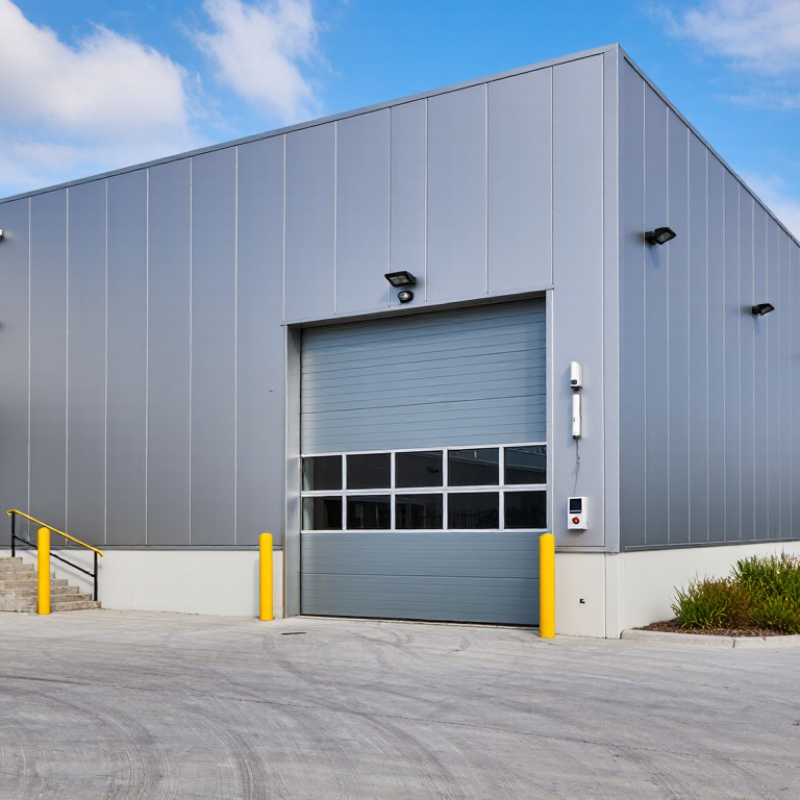
What Are the 2026 Best Commercial Roll Up Doors?

What Defines a Commercial Roll-Up Door in 2026?

In 2026, a commercial roll-up door is more than a curtain that disappears above an opening. It is a coordinated system with a slatted curtain, barrel, guides, bottom bar, drive unit, controls, and safety devices. Its commercial identity comes from duty rating, opening frequency, wind resistance, repair access, and integration with building operations. DASMA technical guidance emphasizes that rolling doors must match the opening, environment, and usage pattern. A warehouse door cycling 80 times daily needs a different design than a service door opening five times.

Energy performance also matters. The U.S. Energy Information Administration’s Commercial Buildings Energy Consumption Survey reports that space heating represents about 32% of commercial building energy use. That makes air leakage around large openings a practical concern. Insulated curtains, tight guides, automatic closing, and properly adjusted bottom seals can reduce exposure, although no roll-up door creates a perfect thermal barrier. It is easy to overpromise here. The 2024 Grand View Research analysis of the global garage door market projects continued growth through 2030, driven partly by automation and replacement demand, but its category includes residential and commercial products. Buyers should not treat that forecast as proof of one door being universally best. A reliable 2026 specification should document cycle testing, wind-load calculations, safety reversing systems, maintenance intervals, and available replacement components. Performance on paper still needs to survive dust, forklifts, rain, and rushed operators.

Which Materials and Designs Suit Different Commercial Applications?

What Are the 2026 Best Commercial Roll Up Doors?

Material choice should follow the building’s daily pressures, not fashion. Galvanized steel suits warehouses, loading bays, and service corridors. It offers strength against repeated impacts and heavy use. Insulated steel helps stabilize indoor temperatures in climate-controlled facilities. This can reduce air loss around busy openings, although performance depends on seals and installation.

Aluminum works well for retail storefronts and parking structures. It is lighter, resists rust, and supports wider openings. Perforated designs improve airflow and visibility in garages. Solid slats provide stronger privacy and security.

Stainless steel fits food-processing areas and damp environments, where cleaning routines are demanding. Coastal sites need extra corrosion protection, even when the material seems suitable.

Design details can matter more than the curtain itself. High-cycle operators suit distribution centers with constant deliveries. Wind-rated systems are important for exposed loading docks. Fire-rated doors require certified assemblies and proper inspection schedules. They should never be selected by appearance alone. A common mistake is choosing the thickest door without checking headroom, guides, or emergency access. That choice can create costly installation problems.

The best fit is application-specific. Quiet operation may matter most in a medical facility. Fast opening may matter more in a busy warehouse. Retail spaces may need daylight and clean sightlines. A careful site review should examine traffic, moisture, temperature, security, and maintenance access. Small details often decide long-term reliability. Even experienced teams can overlook them.

How Do Leading Roll-Up Doors Compare in Security and Performance?

What Are the 2026 Best Commercial Roll Up Doors?

Security and performance depend on more than a heavy curtain or thick steel guides. The U.S. Energy Information Administration’s 2018 Commercial Buildings Energy Consumption Survey found that space heating used 32% of commercial building site energy. A poorly sealed service opening can increase drafts, dust, and heating demand.

In practical inspections, I look for tight side guides, a reinforced bottom bar, reliable weather seals, and controlled closing speed. Small gaps matter. However, fast-cycle doors may reduce exposure time without providing strong forced-entry resistance. That trade-off is often overlooked.

Small gaps matter.

Leading systems should also align with recognized safety requirements. NFPA 80 addresses inspection and maintenance practices for fire door assemblies, while UL 325 focuses on entrapment protection for powered door operators. Neither standard alone proves resistance against every intrusion method.

Ask for documented wind-load testing, cycle testing, emergency release performance, and maintenance records. A door rated for thousands of cycles still depends on correct alignment and lubrication. Real performance can decline quickly in dusty loading bays.

I have seen specifications look excellent on paper, yet daily impacts weakened the guides within months. That is the part worth questioning.

A balanced 2026 selection should compare tested security, operating speed, thermal control, safety features, and serviceability together.

What Smart Technologies and Safety Features Matter Most?

In 2026, the best commercial roll up doors will do more than open and close. They will communicate their condition clearly. In busy warehouses, I have seen small delays become serious workflow problems. A door that reports cycle counts, unusual resistance, or delayed movement can help maintenance teams act earlier. Useful systems may include remote status alerts, access logs, and scheduled service reminders. These features support better decisions, but they do not replace inspections.

Safety technology deserves greater attention than flashy automation. Photoelectric sensors should detect a person, pallet, or vehicle in the opening. A monitored safety edge can stop movement when it meets unexpected pressure. Emergency release systems should remain visible and easy to operate during power loss. Battery backup can keep essential controls available, although capacity should match the building’s actual traffic. Clear warning lights and audible signals also matter in noisy loading areas.

Smart controls must remain dependable when networks fail. That point is easy to overlook. Local manual operation, protected wiring, and controlled user permissions add practical resilience. Cybersecurity also matters when doors connect with building systems. Sensors can drift after impacts, and software can produce false confidence. Regular testing, staff training, and documented maintenance close those gaps. The strongest commercial door is not the one with the most features. It is the one that responds predictably, protects people, and gives managers useful information without creating new confusion.

How Should Businesses Assess Cost, Installation, and Maintenance?

For 2026, the best commercial roll up door is not always the cheapest option. Businesses should calculate the full installed cost, including the curtain, guides, motor, controls, electrical work, site preparation, permits, and labor. A low quote may exclude structural repairs or safety equipment. Ask for an itemized proposal. Compare identical specifications, not attractive totals.

Installation conditions strongly affect performance. A warehouse with heavy traffic may need a higher cycle rating and stronger guides. Measure the opening carefully, including headroom, side clearance, floor level, and wind exposure. Poor alignment can cause scraping, noise, and early motor failure. Use qualified installers who test emergency release systems, reversing sensors, limits, and control switches before handover. Small errors matter.

Maintenance should be priced before purchase. Inspect curtains, guides, fasteners, seals, springs, and safety sensors at regular intervals. Remove dust from tracks and use only suitable lubricant. Keep a service log with cycle counts and repair dates. It helps reveal recurring faults. Maintenance is not glamorous. It is cheaper than a blocked loading bay. However, service estimates are never perfectly predictable. Dust, impact damage, and changing traffic can alter yearly costs, so businesses should keep a realistic repair reserve.

What Are the 2026 Best Commercial Roll Up Doors? - How Should Businesses Assess Cost, Installation, and Maintenance?

A practical comparison of common commercial roll-up door categories for budgeting, specification, installation, and lifecycle planning.

Door category Typical application Typical installed cost
per opening (USD)
Typical opening size Approximate operating speed Insulation and weather performance Maintenance profile Best fit for
Standard steel service door Warehouses, loading areas, workshops, and utility openings $2,000–$6,500 Up to approximately 30 ft wide × 30 ft high, depending on specification About 6–12 in/sec Usually non-insulated; limited thermal and acoustic control Low to moderate; inspect guides, curtain, bottom bar, fasteners, and operator Businesses prioritizing a durable general-purpose door and lower upfront cost
Insulated steel service door Temperature-controlled warehouses, food distribution, and conditioned production areas $3,500–$10,000 Commonly up to approximately 24 ft wide × 24 ft high About 6–12 in/sec Insulated slats improve heat transfer and air leakage performance; exact R-value varies by construction Moderate; seals, slats, guides, operator, and corrosion protection require routine checks Facilities where energy loss, drafts, or temperature stability affect operating costs
High-performance roll-up door Distribution centers, parking facilities, logistics lanes, and high-frequency traffic openings $8,000–$25,000+ Often specified for openings up to approximately 20–30 ft wide, subject to engineering About 24–60 in/sec Varies from non-insulated to insulated; rapid cycling reduces the time an opening remains exposed Moderate to high; requires scheduled safety, controls, curtain, guide, and cycle inspections Sites where traffic volume, productivity, and reduced air exchange justify higher capital cost
Fire-rated rolling door Fire separations, industrial facilities, commercial kitchens, and protected openings $5,000–$18,000+ Size depends on the tested and listed assembly; larger openings may require special engineering Usually about 6–12 in/sec; closing behavior is governed by the listed fire assembly Designed for fire-resistance performance, not ordinary thermal insulation High compliance importance; inspection, testing, fusible links or release devices, and records are essential Businesses required to protect rated walls, shafts, corridors, or other regulated openings
Rolling security grille Retail storefronts, service counters, reception areas, and interior security partitions $2,500–$9,000 Commonly up to approximately 25 ft wide × 12 ft high About 6–12 in/sec Open grille provides visibility and airflow but little thermal or weather protection Low to moderate; clean grille, inspect guides, verify bottom edge, and test controls Businesses needing visual security and ventilation rather than a sealed exterior barrier
Rolling counter door Pharmacies, concession areas, laboratories, offices, and transaction windows $1,500–$6,000 Typically smaller openings up to approximately 12 ft wide × 10 ft high Manual or about 6–12 in/sec when motorized Usually non-insulated; weather capability depends on curtain, guides, and surrounding construction Low; keep the sill and guides clean and check curtain alignment and locking hardware Small commercial openings where compact storage and basic security are priorities

Commercial Roll-Up Door Assessment Checklist

Cost
Compare the door, operator, controls, structural reinforcement, electrical work, permits, freight, removal, and installation—not only the curtain price.
Installation
Confirm clearances, headroom, jamb strength, floor condition, power requirements, wind exposure, accessibility, and applicable building or fire codes.
Maintenance
Plan periodic inspection of guides, curtain or grille, bottom bar, seals, fasteners, operator, controls, safety edges, and emergency release components.
Lifecycle value
Estimate energy exposure, daily cycles, downtime risk, repair access, expected service life, replacement parts, and the cost of an unavailable opening.

Planning note: Cost ranges are typical U.S. commercial budgeting estimates for 2026 and can vary substantially by opening size, wind or fire rating, materials, controls, site conditions, labor rates, permits, and regional code requirements. Obtain a site-specific quotation and verify all fire, life-safety, accessibility, and structural requirements before purchase.

Go to Top